
Free in-home measure and quote - PGT, CGI and CWS impact lines compared on your actual openings, style by style
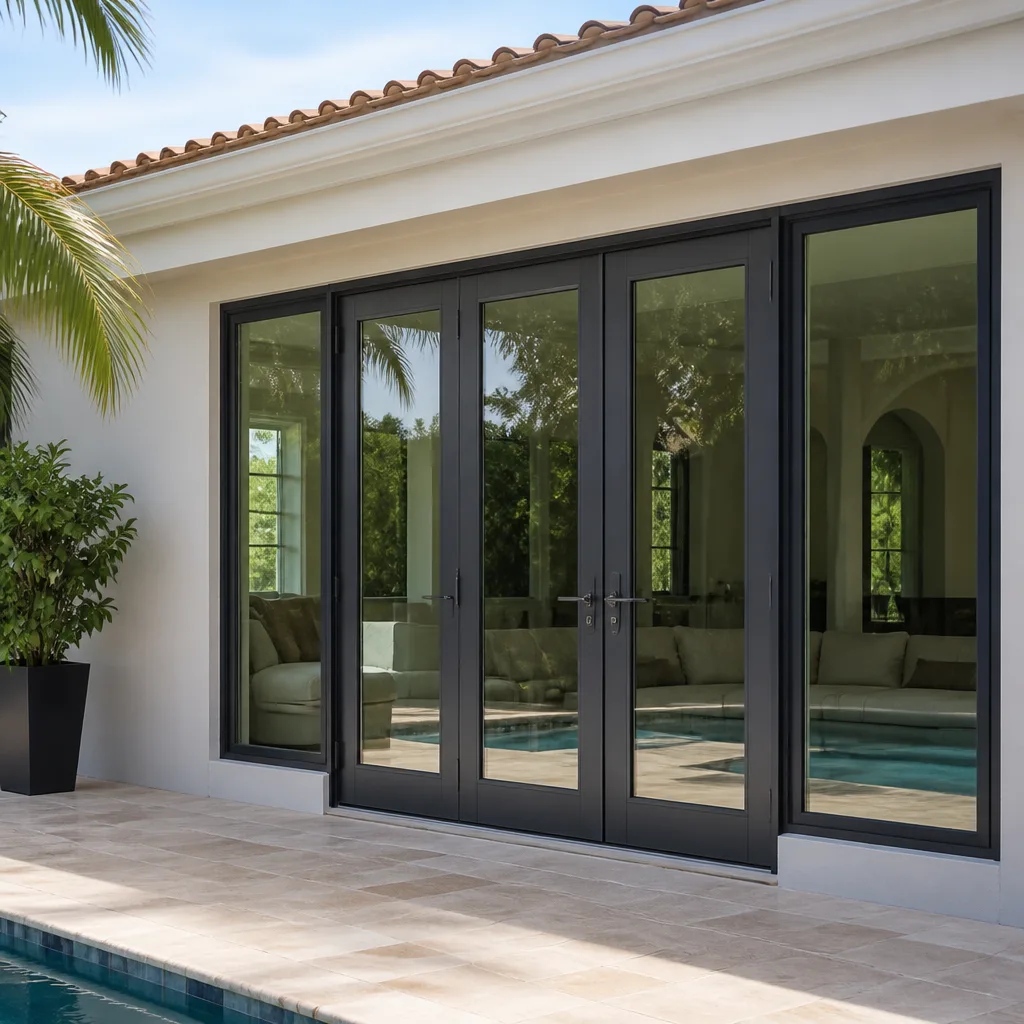
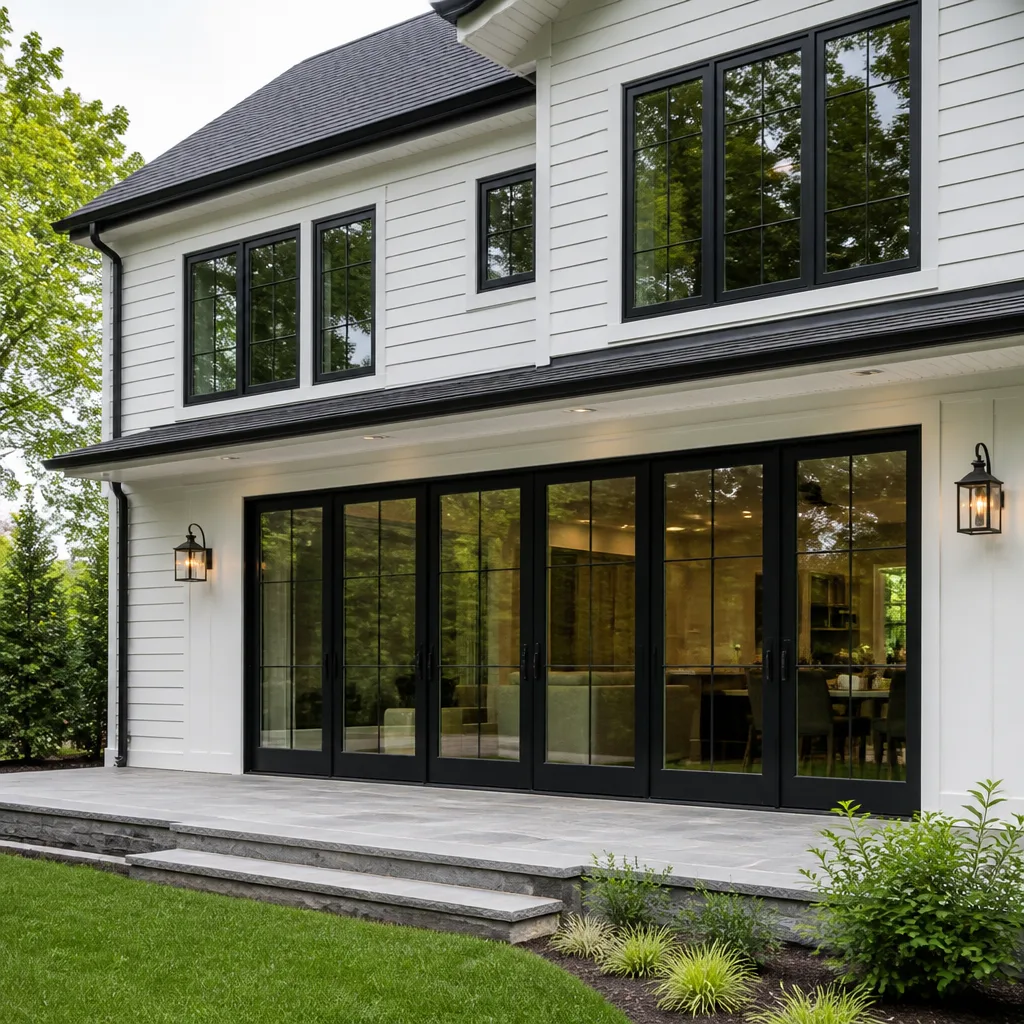
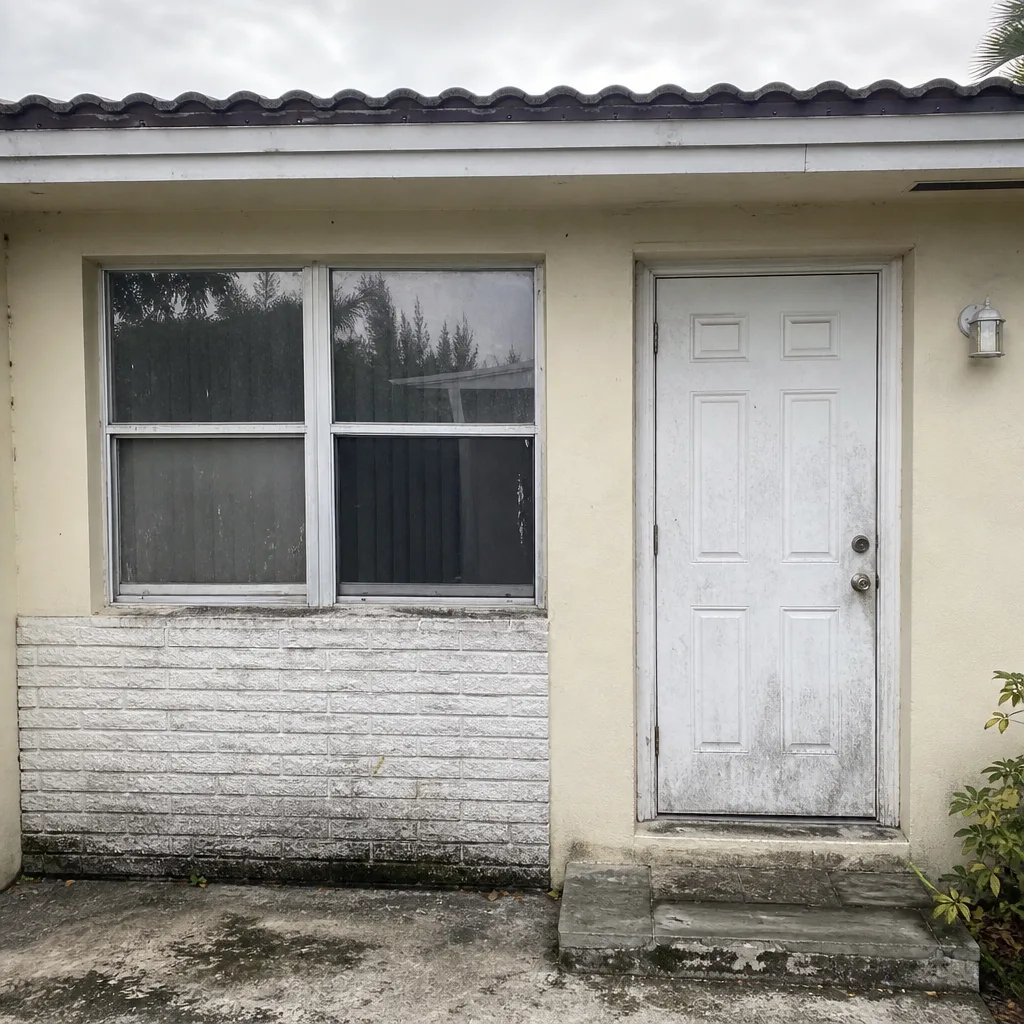 Before
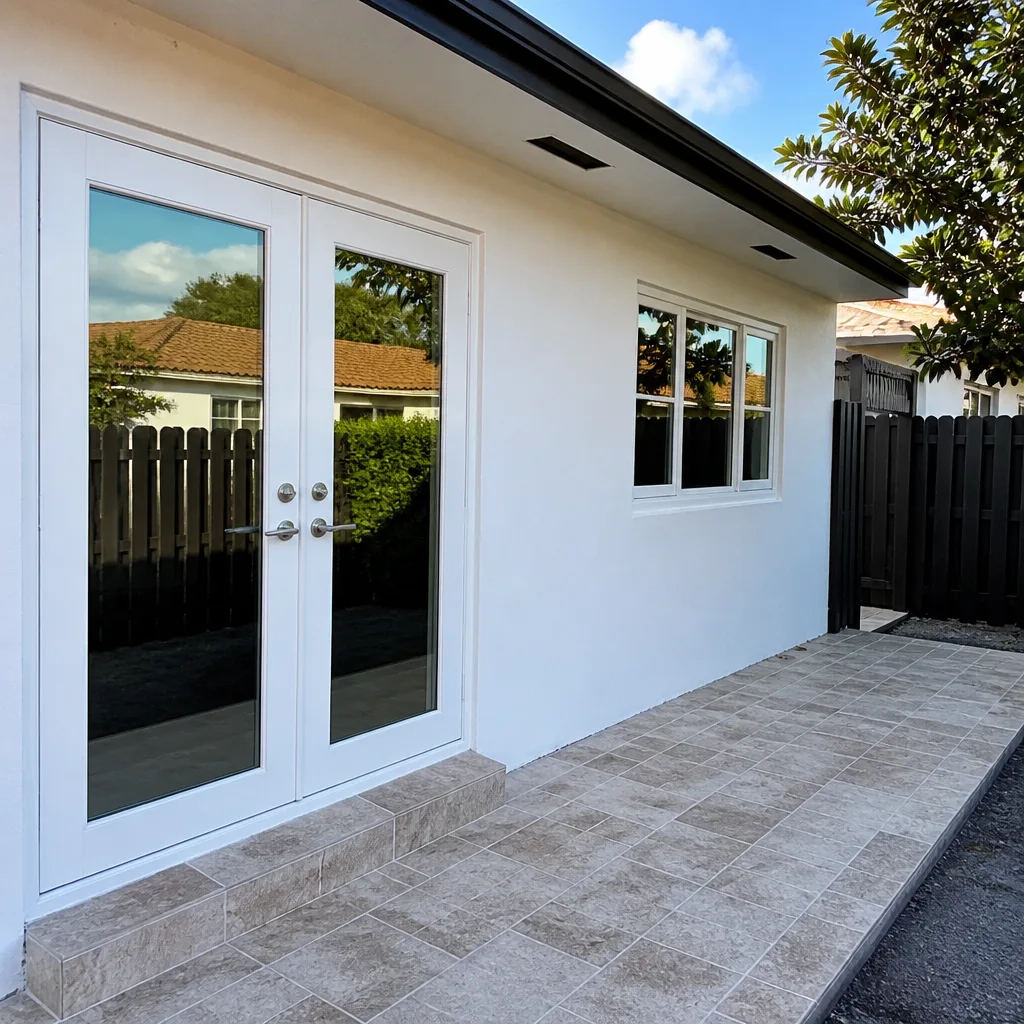 After
After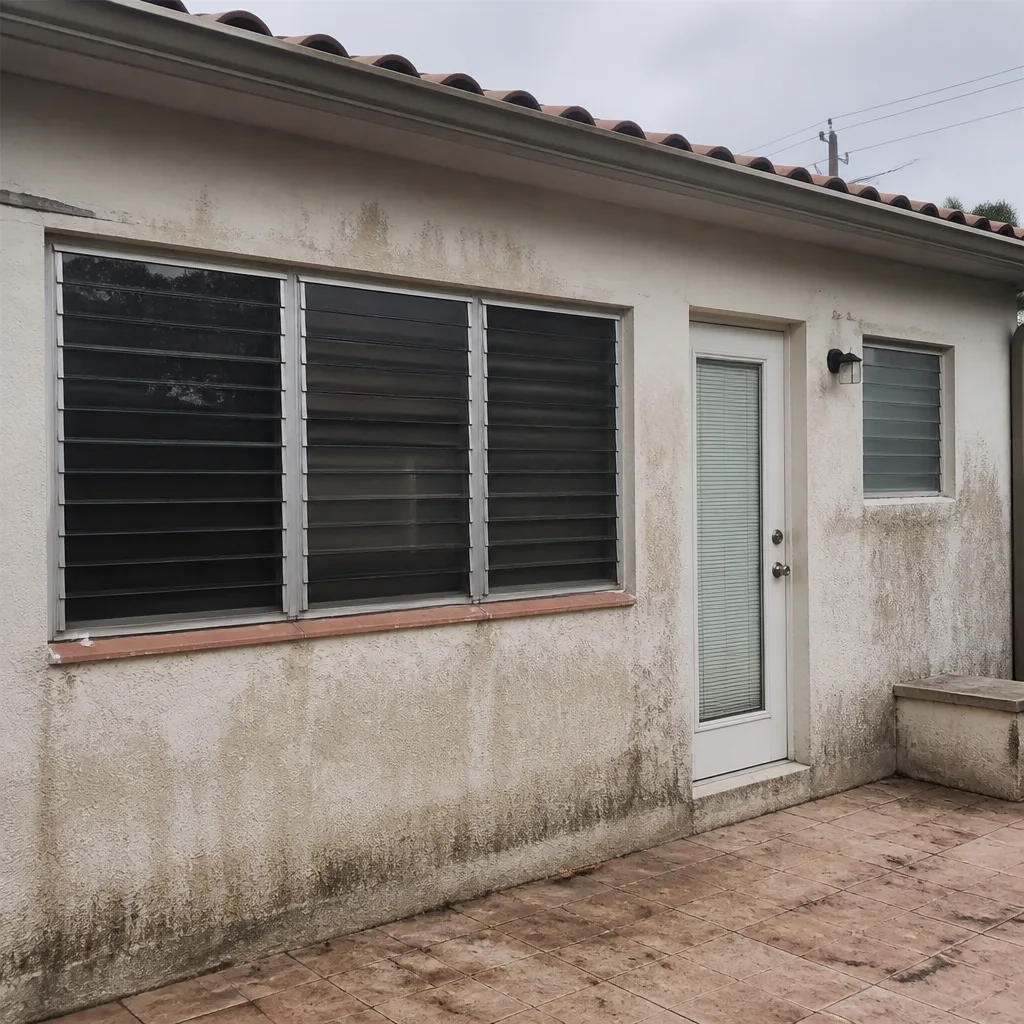 Before
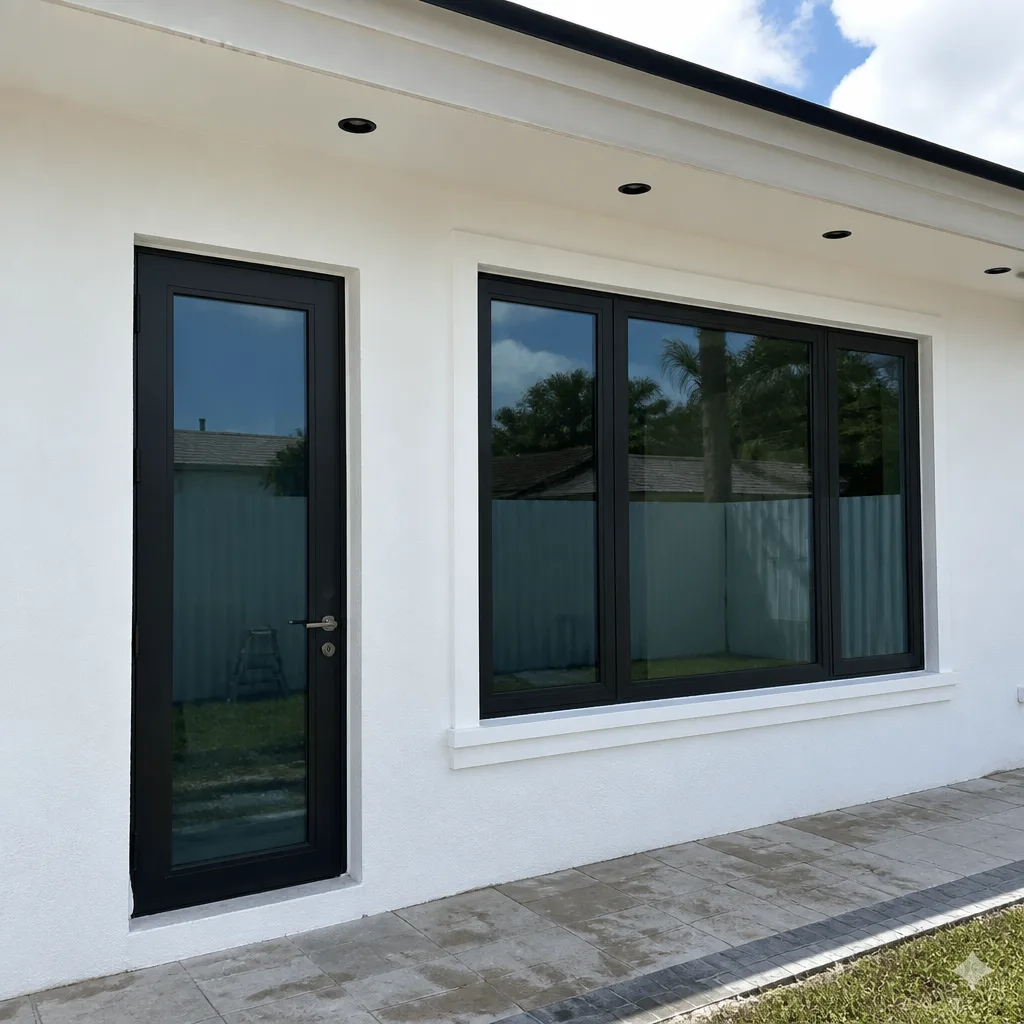 After
After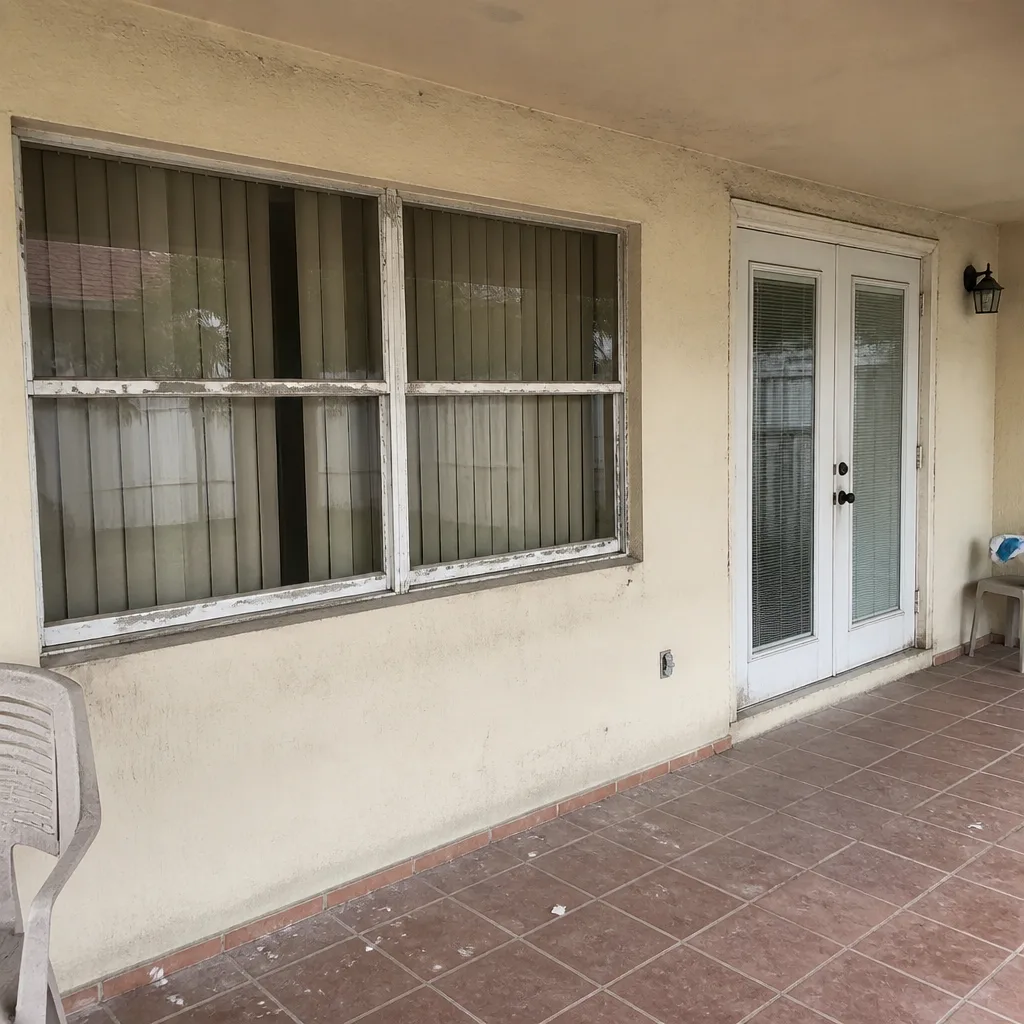 Before
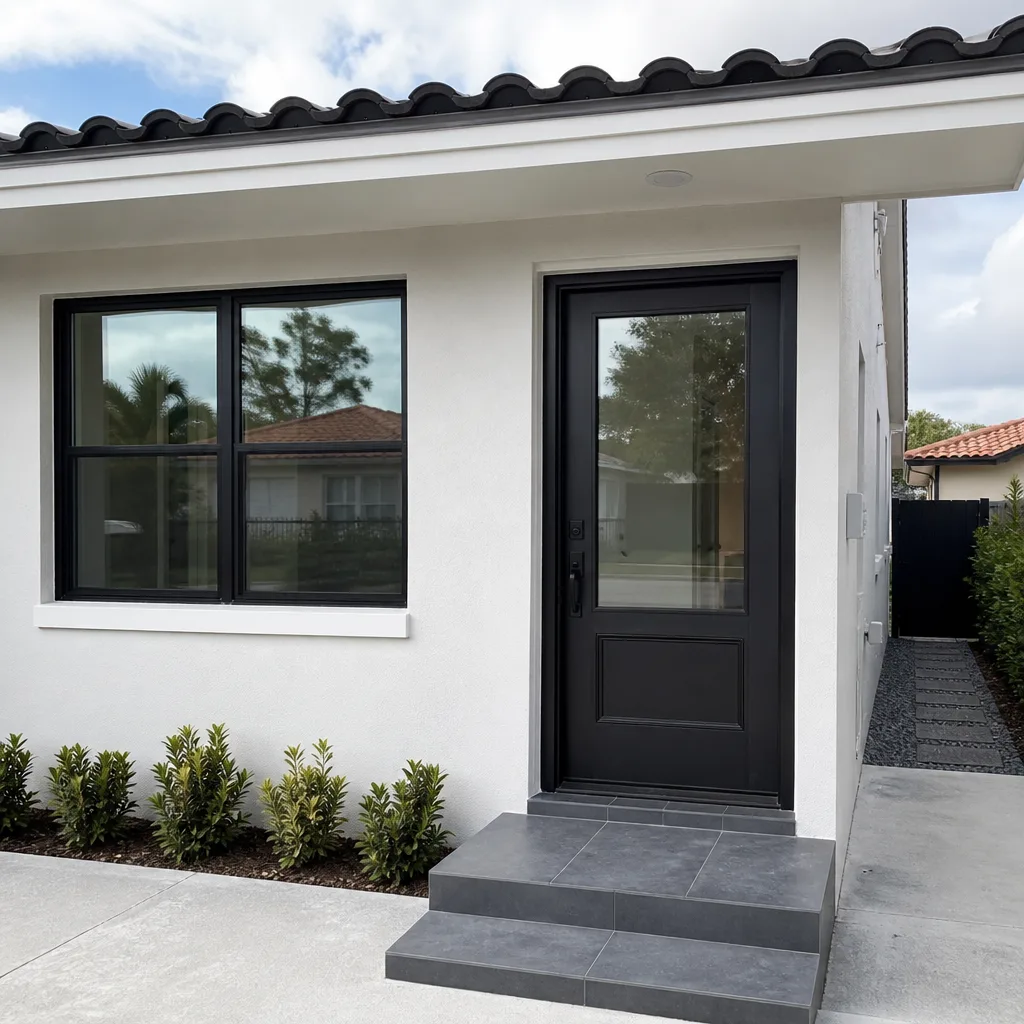 After
AfterWindow Energy Audits & Ratings in Hialeah, FL
A window energy audit in Hialeah is a room-by-room assessment of how much heat, air, and money is escaping through your existing windows – measured against current Florida Energy Code standards and national energy performance ratings like ENERGY STAR and the NFRC label. Most Hialeah homeowners we visit are losing somewhere between 25% and 40% of their cooling load through windows that were installed before Miami-Dade’s high-velocity hurricane zone requirements tightened, or that simply weren’t rated for South Florida’s relentless heat gain. We put a number on that loss, tell you exactly where it’s coming from, and give you a clear picture of what Energy-Efficient Windows services would actually save you.
If you’ve been watching your FPL bill climb every summer and wondering whether your windows are part of the problem, they probably are. Call us at (850) 998-3090 – a real person answers every call, around the clock – and we’ll schedule an audit at a time that works for you. For a broader look at how we approach Energy-Efficient Windows in Hialeah, that page covers the full scope of what we install and why it matters in this specific climate.
When You Need Window Energy Audits & Ratings
Not every situation is obvious. Sometimes the signal is a $340 electric bill in May. Sometimes it’s a room that never cools down right. Here are the clearest signs an audit is overdue:
- Your air conditioning runs almost constantly from April through October. In Hialeah’s urban heat pocket – sandwiched between the Palmetto Expressway corridor and the industrial stretches off Okeechobee Road – west-facing windows with poor solar heat gain coefficients (SHGC) can raise interior temps by 8 to 12 degrees on their own. If your AC never really catches up, windows are a likely culprit.
- You notice warm glass or condensation on the interior surface. Single-pane or failed double-pane windows in Hialeah’s humidity allow interior condensation on the inside glass surface – a sign the thermal barrier has broken down and conditioned air is working against radiant heat around the clock.
- Your windows were installed before 2002. Florida’s energy codes have tightened significantly since then, and products installed before the 2002 revisions were not required to meet the U-factor and SHGC thresholds now standard in Miami-Dade County. Those older windows may be legal but they’re not efficient.
- You’re planning a window replacement and want to know what ratings to actually look for. Shopping for impact windows in Hialeah without understanding NFRC labels is like buying tires without checking load ratings. An audit first tells you exactly what performance specs to require from your new product – so you don’t overpay for features you don’t need or undersell yourself on ones that matter.
- A room addition or renovation changed your home’s sun exposure. West Hialeah neighborhoods like Palm Springs North see significant afternoon sun load on walls and windows that may not have been oriented that way before a room was added. New exposure means old windows may now be rated entirely wrong for where they sit.
- You received a homeowner’s insurance notice about window ratings. Miami-Dade and Broward carriers increasingly tie wind-mitigation credits to documented product ratings. An audit with documented NFRC and impact certification data can support a wind-mitigation report – and that report can reduce your annual premium.
Our Window Energy Audits & Ratings Process
We don’t show up with a clipboard and a gut feeling. The audit follows a consistent protocol that gives you documented, actionable results – not just a sales pitch for new windows.
- Pre-visit review of your home’s orientation and vintage. Before we arrive, Ed’s team pulls the property’s year of construction, last permitted window work, and cardinal orientation using Miami-Dade property records. A southeast-facing Hialeah Lakes home behaves very differently from a west-facing unit near the Westland Mall corridor. We walk in already knowing the baseline.
- Room-by-room thermal and visual inspection. We go window by window – checking for visible seal failures, glass delamination, frame warping, and weatherstripping condition. In Hialeah’s climate, aluminum frames from the 1980s and 1990s conduct heat at a rate that undermines even decent glass, and we flag those separately because the fix is different from a glass-only failure.
- NFRC label verification and rating documentation. For every window that still has a legible NFRC label, we document the published U-factor (resistance to heat flow), SHGC (solar heat admitted), visible transmittance, and air leakage rating. For windows where the label is missing – common on anything installed before 2005 – we use manufacturer lookup tables and field measurements to estimate the rating class. You’ll get a spreadsheet-style summary by room and elevation.
- Comparison against current Florida Energy Code requirements. Florida’s 2023 Energy Code sets a maximum SHGC of 0.25 for most climate zone 1 applications – which covers all of Hialeah. We measure your existing windows against that threshold and note which windows are compliant, which are borderline, and which are clear failures. This matters if you’re planning a sale, a refinance appraisal, or an insurance claim.
- Energy performance estimate and payback modeling. We translate the audit data into plain numbers: estimated annual cooling load attributable to window heat gain, projected savings from upgrading the worst performers, and a rough payback timeline based on current FPL residential rates. We’ve done enough of these in Hialeah to know that a full single-pane-to-impact-rated-double-pane swap on a 1,800-square-foot home typically reduces cooling-related energy use by 18% to 28% in this market.
- Written report and upgrade options – no pressure, just facts. You get a written audit summary you can keep, share with other contractors, or use as a baseline for future comparison. If an upgrade makes sense, we’ll show you specific products – PGT and CGI both manufacture impact-rated, ENERGY STAR-certified window lines that perform well in Miami-Dade’s high-velocity hurricane zone – and give you an upfront price with no surprises on the invoice. If your windows are actually performing fine, we’ll tell you that too.
Window Energy Audits & Ratings Pricing in Hialeah
Window energy audit pricing in Hialeah typically falls between $150 and $350 for a standard single-family home, depending on the number of windows, the complexity of the home’s layout, and whether you need a formal written report for insurance or financing purposes. Here’s how it generally breaks down:
| Audit Type | Typical Price Range | What’s Included |
|---|---|---|
| Basic walk-through assessment (up to 10 windows) | $150 – $200 | Visual inspection, NFRC label check, verbal summary |
| Standard full-home audit (11-25 windows) | $200 – $275 | Full room-by-room inspection, written rating summary, code comparison |
| Detailed audit with energy modeling report | $275 – $350 | All of the above plus payback estimates, FPL savings projection, documentation for insurance or refinance |
| Audit credited toward installation | Cost offset at signing | Audit fee applied as a credit when you move forward with a Winslow installation |
A few things affect where your audit lands in that range: condo units with shared wall exposures take less time than multi-story single-family homes with varied orientations; homes in older Hialeah Gardens or Fontainebleau-adjacent neighborhoods with mixed window vintages (some original, some replaced piecemeal) take longer to document accurately; and if your windows include any custom or geometric shapes, the rating lookup is more involved.
Seniors and veterans always receive a 10% discount on any service we provide – that’s a permanent commitment, not a promotional window. If you’re comparing a written estimate from another contractor, we’ll give you a free second opinion at no charge. Call (850) 998-3090 for an exact quote – estimates are free, and we don’t charge a trip fee inside our home county.
Why Hialeah Homes Have Specific Energy Rating Challenges
Hialeah sits in Florida’s Climate Zone 1 – the most aggressive heat gain environment in the continental United States. That designation means the energy performance targets here are stricter than almost anywhere else in the country, and a window rated “efficient” in Atlanta or even Orlando may not come close to what’s appropriate here.
The city’s density compounds the problem. Hialeah’s tight lot spacing – particularly in the older grid south of West 49th Street and in the high-density blocks near Westland Mall – limits natural shading from trees and neighboring structures that might otherwise offset poor SHGC values. And because many homes here were built in the 1960s through 1980s using jalousie or single-pane aluminum windows, the gap between what exists and what current code requires is often substantial.
Humidity is the other variable that doesn’t always show up in standard energy ratings. NFRC ratings are measured at standardized lab conditions – 75 degrees indoor, 90 degrees outdoor. Hialeah’s real-world summer conditions regularly hit 95 degrees ambient with dew points above 75. That means real-world performance can trail the rated values, particularly for windows without Low-E & Argon Gas Glass that aren’t sealed and gasketed for South Florida’s moisture levels. Part of what our audit does is flag that gap – rated performance versus likely real-world performance given your home’s actual exposure.
for example, manufactures windows with Insulated Laminated Glass specifically engineered for high-humidity coastal and near-coastal environments. When we’re auditing a home near the Hialeah Park area or along the C-8 canal corridor where ground moisture is consistently higher, we factor that into our product recommendations if an upgrade makes sense.
How Energy Ratings Are Read – and Why They Matter for Hialeah
The NFRC label on any certified window gives you four numbers that actually mean something. Here’s what each one tells you in plain terms, and what the targets should be for a Hialeah home:
- U-Factor (heat flow resistance): Lower is better. Florida’s 2023 Energy Code targets 0.40 or below for most residential applications in Climate Zone 1. Most older single-pane aluminum windows in Hialeah test above 1.0 – more than twice the maximum acceptable value.
- Solar Heat Gain Coefficient (SHGC): This is the critical number in Hialeah. It measures how much solar radiation enters as heat. Florida Code requires 0.25 or below for most fenestration in Climate Zone 1. West- and south-facing windows with SHGC values above 0.40 – common in pre-2000 installations – are responsible for a significant portion of the excess cooling load we see in Hialeah homes.
- Visible Transmittance (VT): How much daylight passes through. Higher is better for natural light, but the trade-off with SHGC means low-E coatings that hit the right SHGC target often reduce VT somewhat. We help you find the balance that makes sense for each room’s use.
- Air Leakage (AL): Measured in cubic feet per minute per square foot. Below 0.30 is the standard threshold. Older casement and jalousie frames in Hialeah routinely test above 0.60, which means significant conditioned air is escaping around the frame regardless of how good the glass is.
Understanding these four numbers before you shop for replacement windows is the difference between making a real improvement and spending money on something that looks new but doesn’t perform better. That’s the core value of the audit: you go into any purchase decision with the right targets, not just a contractor’s word that something is “energy efficient.”
FAQs – Window Energy Audits & Ratings in Hialeah
How much does a window energy audit cost in Hialeah?
A window energy audit in Hialeah typically costs between $150 and $350, depending on the size of your home and the level of detail you need in the written report. A basic visual assessment for a smaller home runs closer to $150; a full audit with written energy modeling and documentation suitable for an insurance or refinance file is generally $275 to $350. If you move forward with a window installation through Winslow Windows & Doors, the audit fee is credited toward the project cost. Call (850) 998-3090 for a specific quote – there’s no trip charge inside our home county.
Can a window energy audit actually lower my FPL bill?
Yes, but the audit itself doesn’t lower your bill – it tells you where the money is going and what to do about it. What we find consistently in Hialeah is that homes with pre-2002 windows and unshaded west- or south-facing exposures are losing 25% to 40% of their cooling load through the glass. Replacing the worst-performing windows with ENERGY STAR Replacement Windows that are Miami-Dade-approved impact windows – brands like PGT or CGI that are designed specifically for Climate Zone 1 – typically produces 18% to 28% reductions in cooling-related energy use for a standard single-family home here. The audit gives you the data to make that decision with confidence rather than guesswork.
Do I need a window energy audit before replacing my windows in Hialeah?
You don’t legally need one, but it’s worth doing. Without an audit, you’re buying new windows based on a salesperson’s recommendation rather than on a measured understanding of what your home actually needs. Hialeah’s Climate Zone 1 designation means the SHGC and U-factor targets here are stricter than most of the country, and a product that’s adequate in northern Florida may be undersized for the heat gain you’re dealing with here. An audit also gives you a before-and-after baseline, which matters if you ever want to document the improvement for a home sale or energy rebate. We can combine the audit and installation estimate into a single visit to save you time.
What’s the difference between an ENERGY STAR rating and an NFRC rating?
ENERGY STAR is a certification program – it tells you a product meets a performance threshold set by the EPA for your climate zone. The NFRC label is the actual measurement data: the specific U-factor, SHGC, visible transmittance, and air leakage numbers for that product. ENERGY STAR uses NFRC data to determine certification, so the two work together. For Hialeah specifically, ENERGY STAR’s Climate Zone 1 threshold requires an SHGC of 0.25 or below – which is why not every ENERGY STAR-certified window sold nationally qualifies in South Florida. During our audit, we document both: whether your existing windows carry an ENERGY STAR certification and what the underlying NFRC numbers actually are. Call (850) 998-3090 if you have questions about a specific product you’re considering – we’ll tell you straight whether it meets the mark for Hialeah.
Ed Winslow’s Commitment to Hialeah Homeowners
Ed Winslow started this business in 2011 because he saw too many Hialeah homeowners get sold windows that looked good on paper but underperformed in practice – or worse, got installed without anyone ever measuring what was actually needed. The audit service exists because an honest assessment up front costs far less than a replacement that doesn’t solve the problem.
Ed’s name is on the door – and on every job we do. That means when we hand you a written audit report, you’re not getting a templated document from a call center. You’re getting a documented, site-specific assessment from a company that’s been serving Hialeah and the surrounding communities for over 15 years, backed by the Done Right Promise: if the work isn’t right, we come back and make it right. That’s not a marketing line. It’s the standard Ed holds himself to on every job.
We’re state-licensed, insured, and bonded, with a published address and license number – full transparency, no shell companies. Our technicians are background-checked and arrive in uniform, so you know exactly who’s at your door before the truck pulls up. And when you call, a live person picks up – not a voicemail system, not an answering service that takes a message for “next business day.” Someone answers, any hour.
If you want to understand the broader picture of what we do with energy-rated windows in this market, visit our Energy-Efficient Windows in Hialeah page. And if you’re ready to schedule an audit or just want to talk through what you’re seeing in your home, call (850) 998-3090. The estimate is free, the conversation is honest, and the neighbor you’re calling has been the one down the road for a long time.
Key Takeaways
- Window energy audits in Hialeah cost $150 to $350 depending on home size and report detail needed.
- Hialeah sits in Climate Zone 1, the most demanding energy environment in the continental U.S. – standard national ratings don’t always apply here.
- The four NFRC numbers that matter most in Hialeah are U-factor (target: 0.40 or below), SHGC (target: 0.25 or below), air leakage (target: below 0.30), and visible transmittance.
- Pre-2002 windows in Hialeah almost never meet current Florida Energy Code thresholds.
- Seniors and veterans receive a permanent 10% discount. Free second opinion on any written estimate. No trip charge inside the home county.
- Audit fee is credited toward your installation if you move forward with Winslow.
- Call (850) 998-3090 – a live person answers 24 hours a day.
Written by Ed Winslow, Owner at Winslow Windows & Doors, serving Hialeah.
Six Reasons Homeowners Choose Winslow Windows & Doors
Impact systems engineered to design pressures up to +/-100, matched to your wind zone - your openings hold when the storm arrives.
Low-E insulated impact glass from our manufacturer lines commonly cuts monthly cooling bills 20-30%.
Laminated impact glass shuts out up to 40% of outside noise - traffic, neighbors, weather.
Monitoring services run $30-90 a month. Laminated impact glass resists forced entry around the clock, with no subscription.
Florida homeowners average around 25% savings on the windstorm portion of their policy after protecting every opening - some homes qualify for more.
A full impact package upgrades curb appeal, buyer confidence and appraised value in one project.