
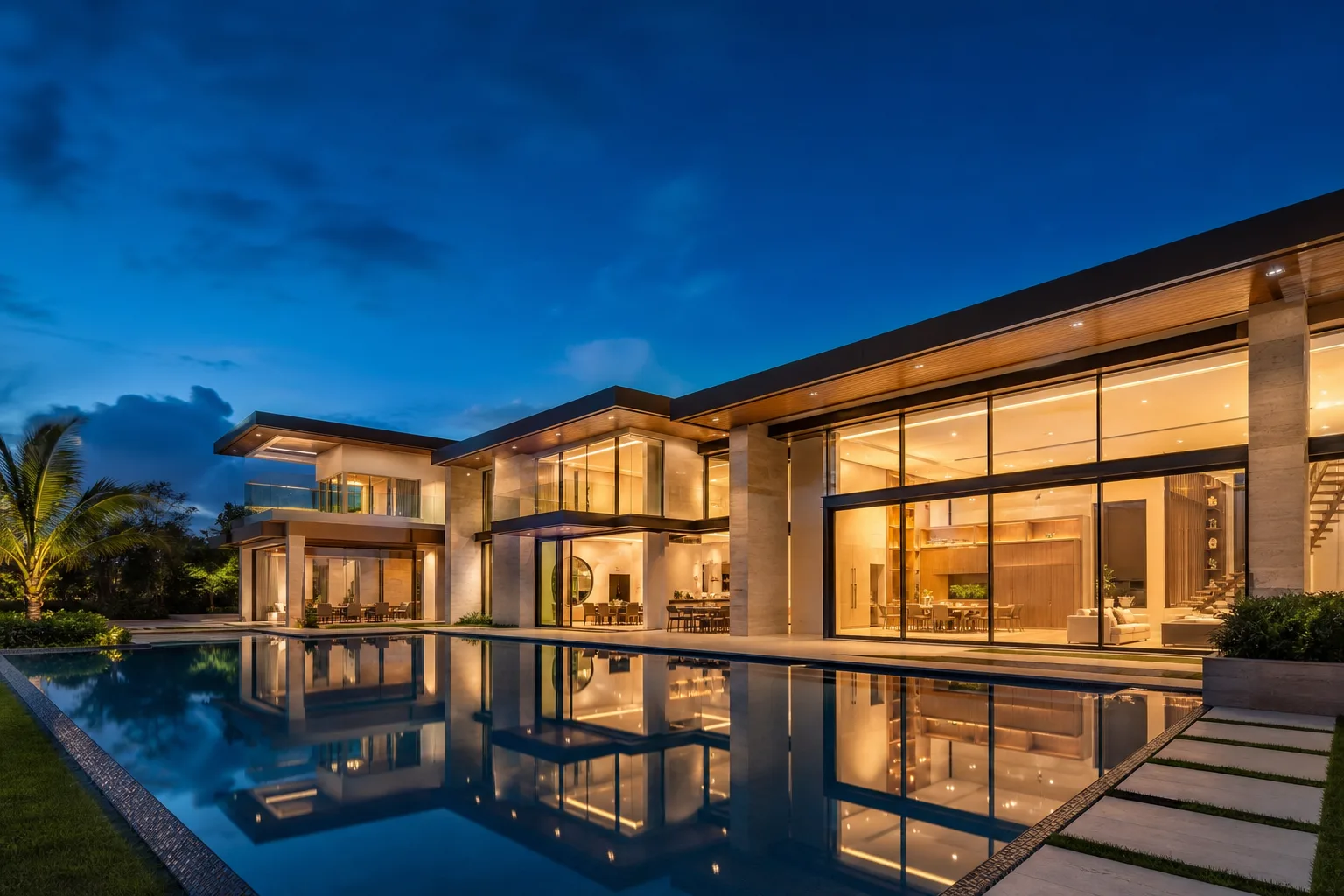
Free in-home measure and quote - PGT, CGI and CWS impact lines compared on your actual openings, style by style
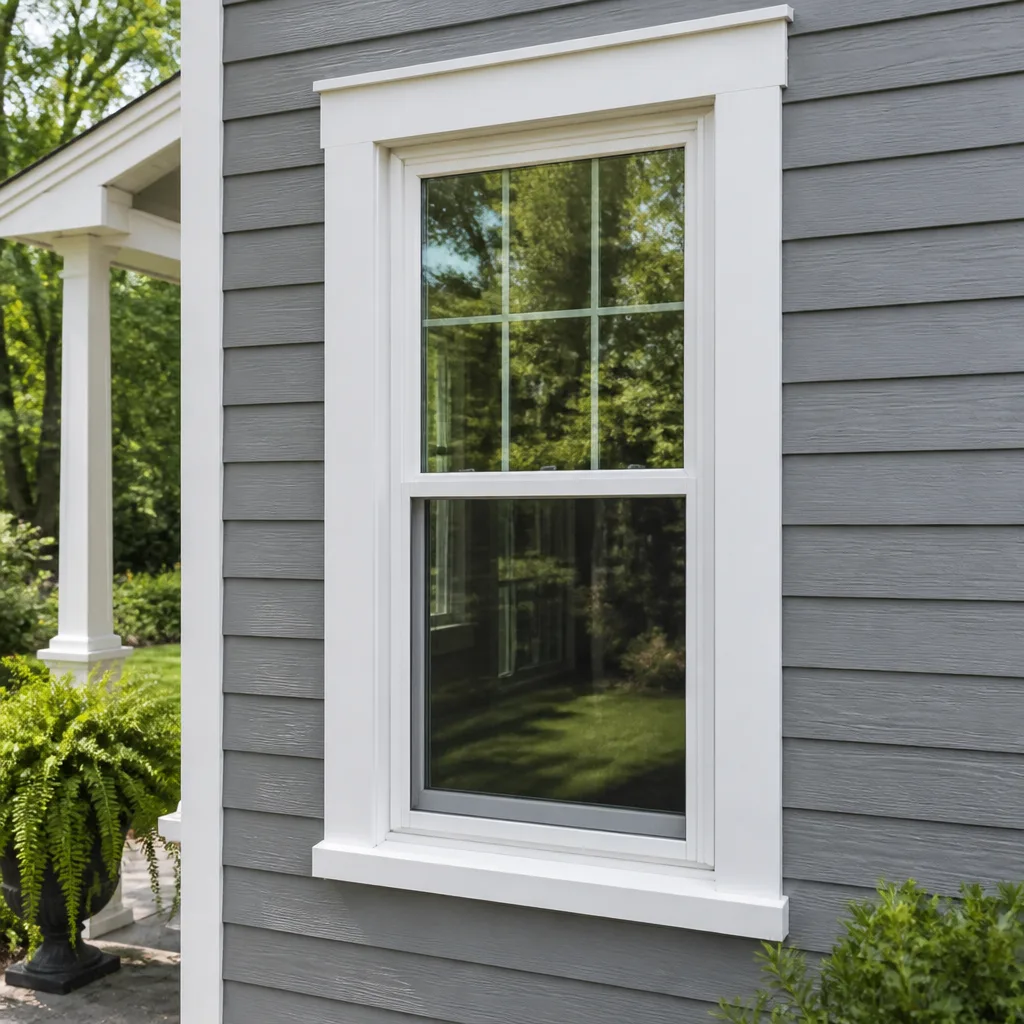
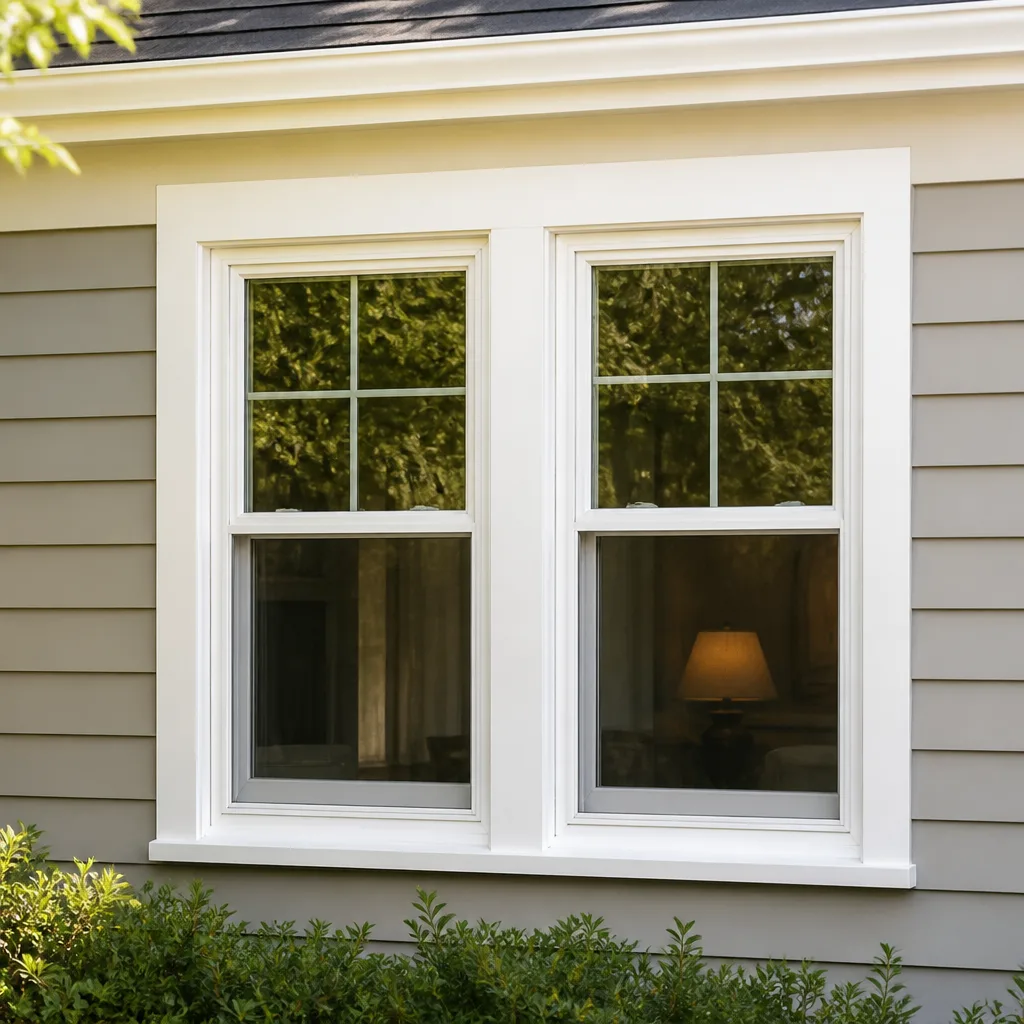
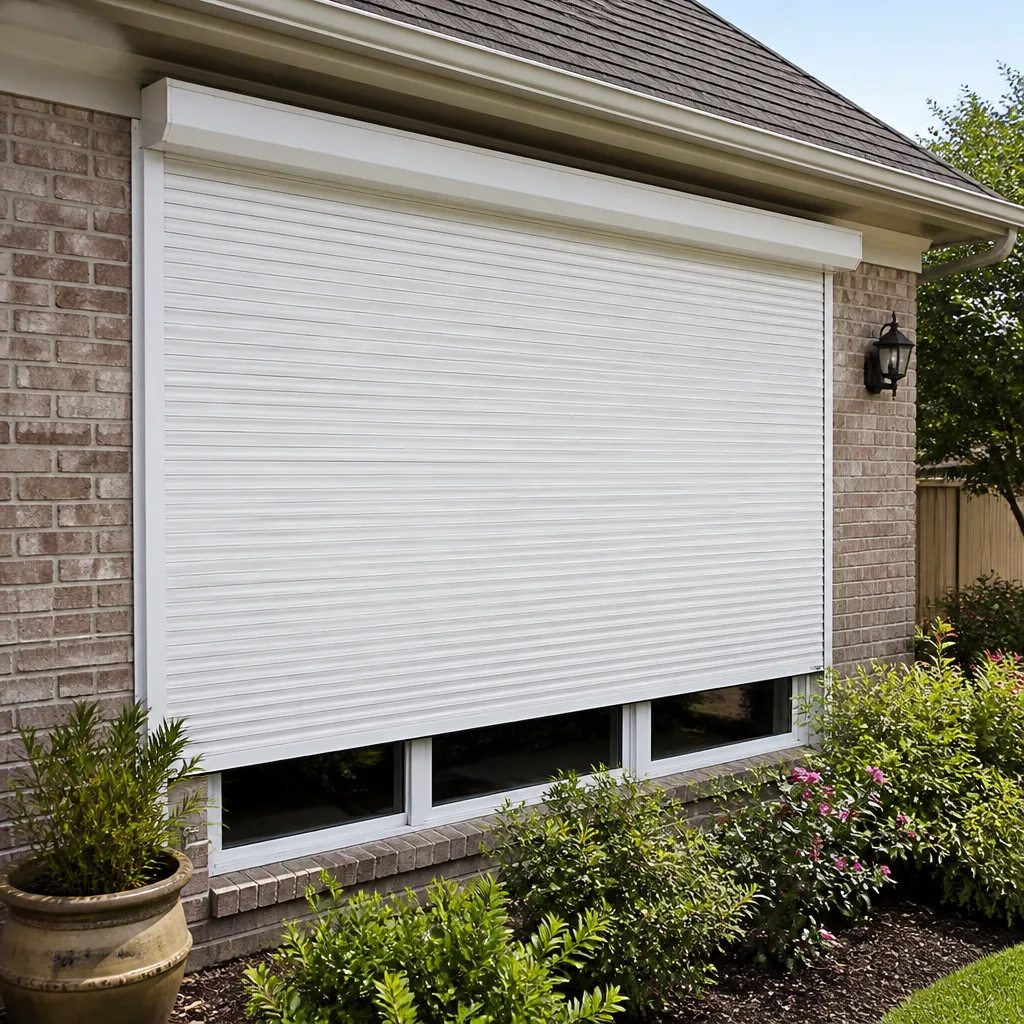
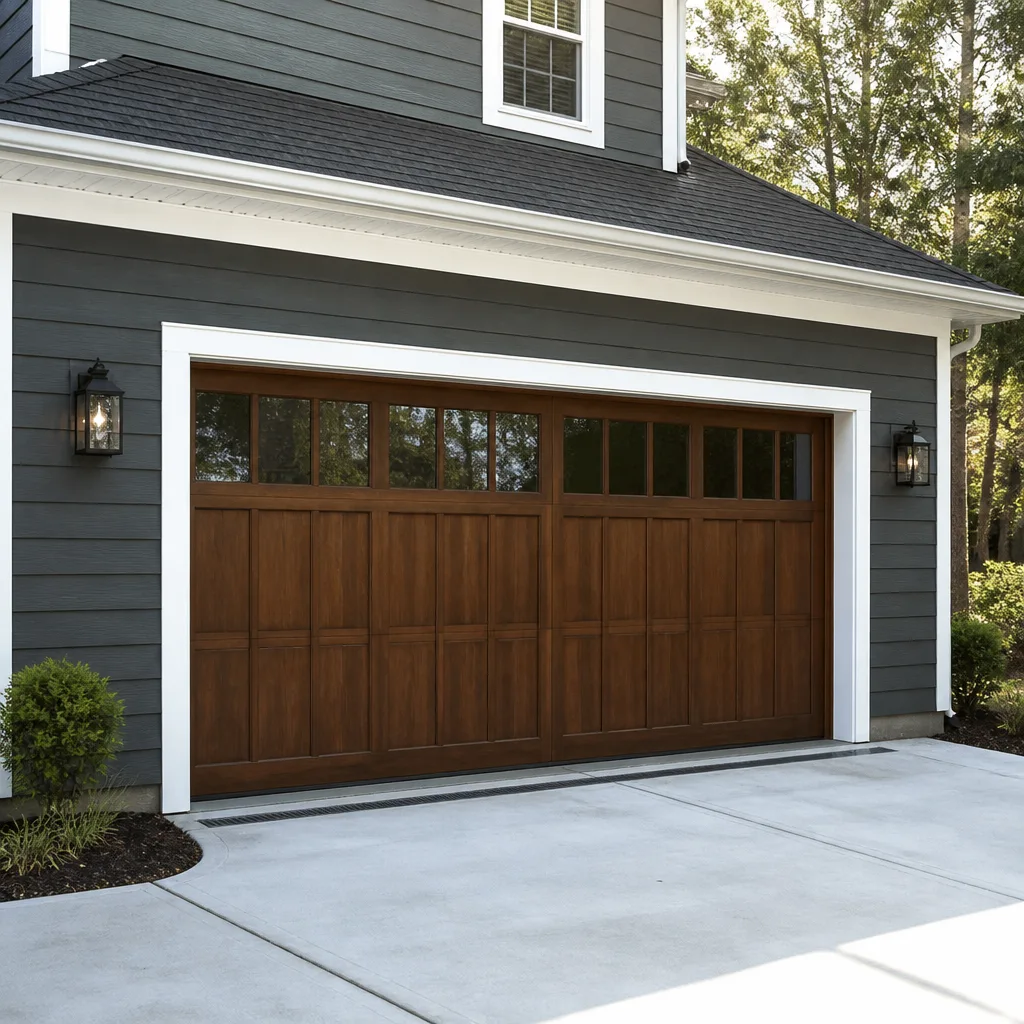
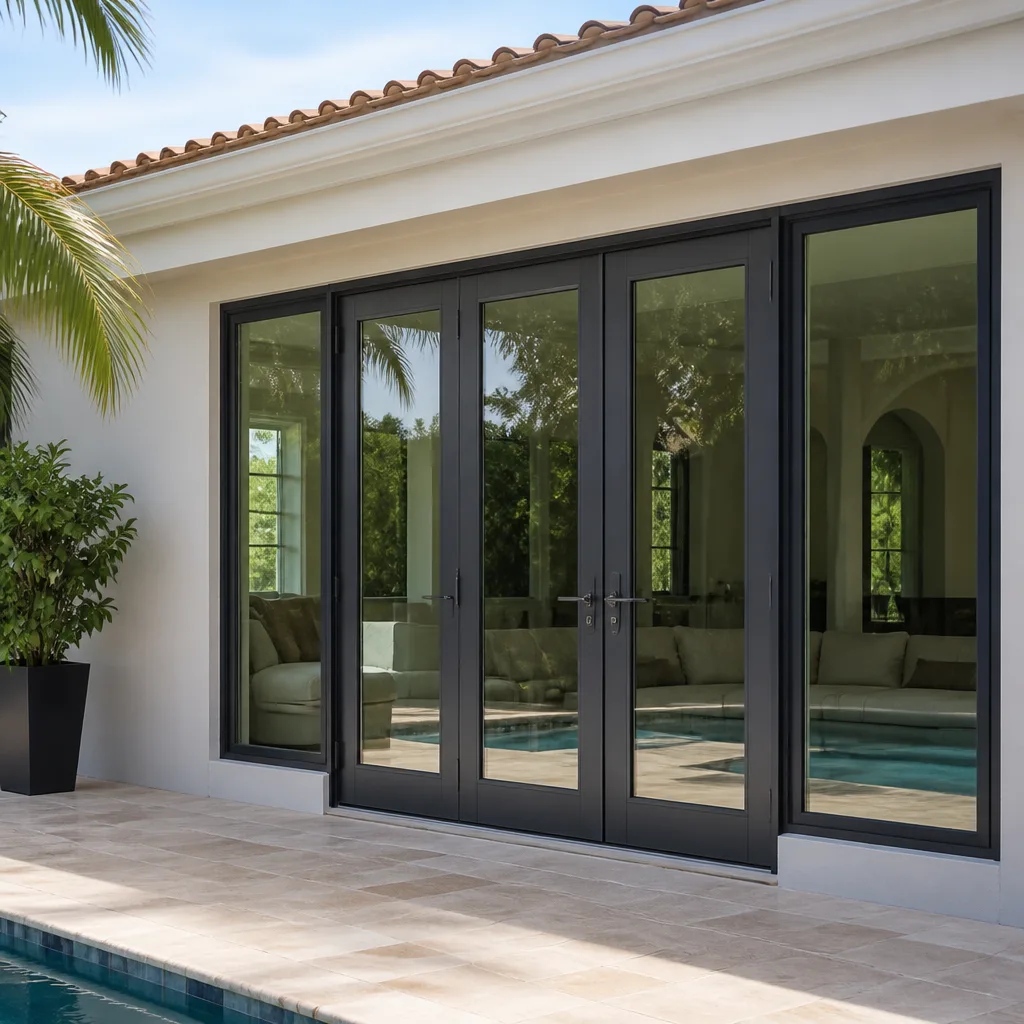
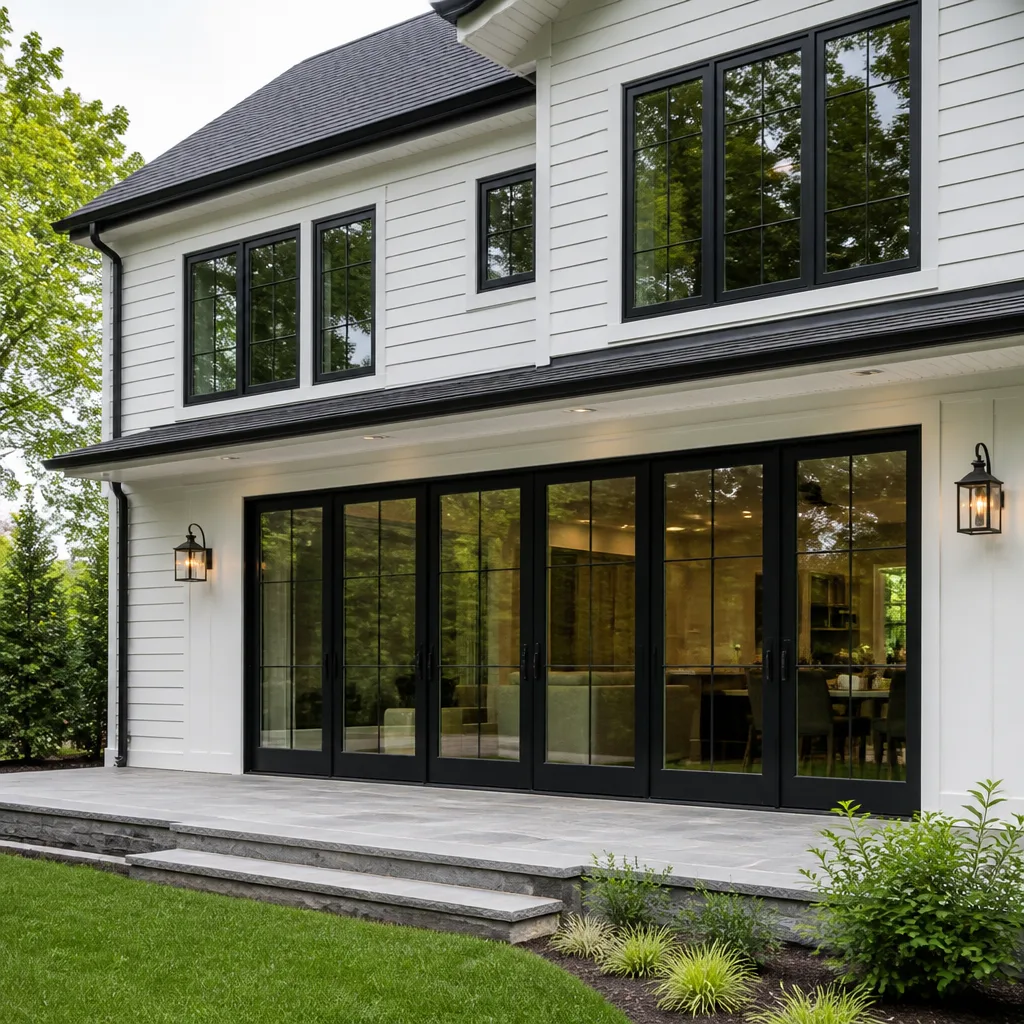
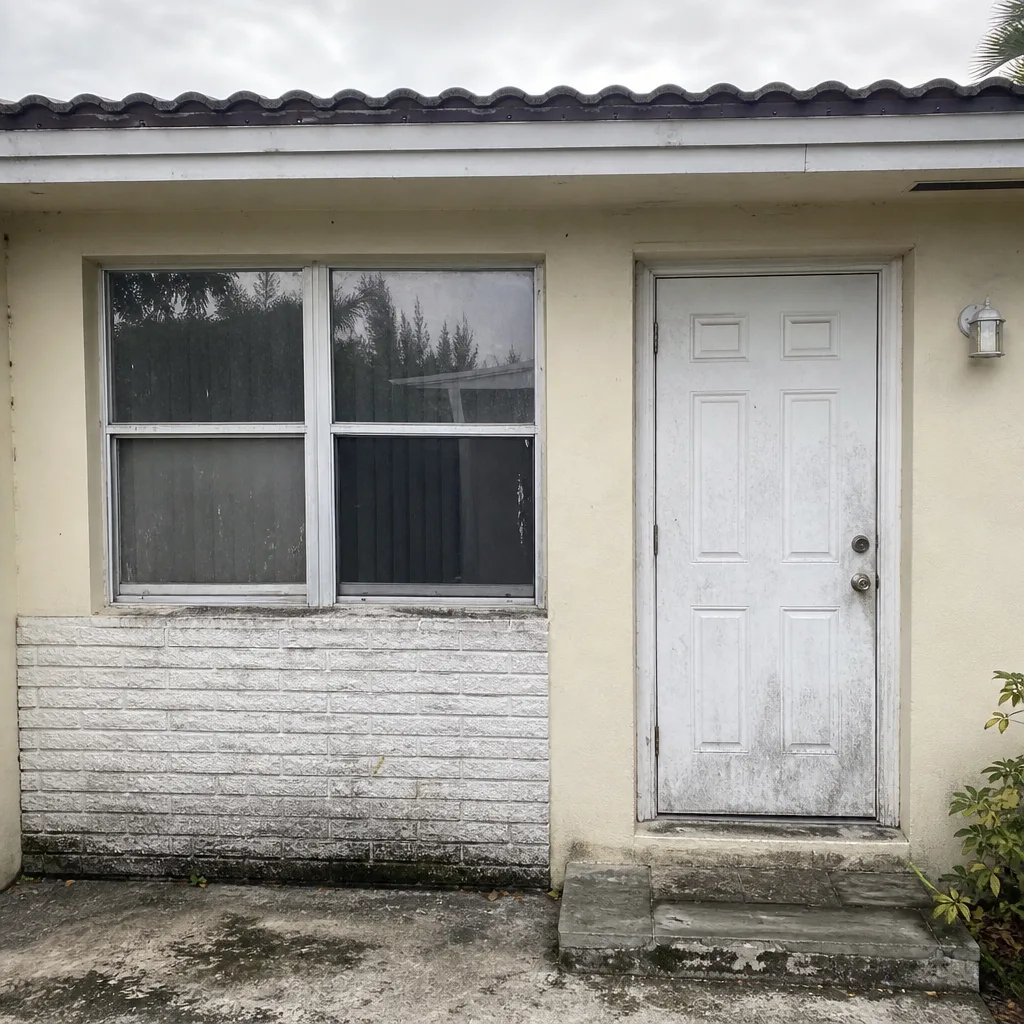 Before
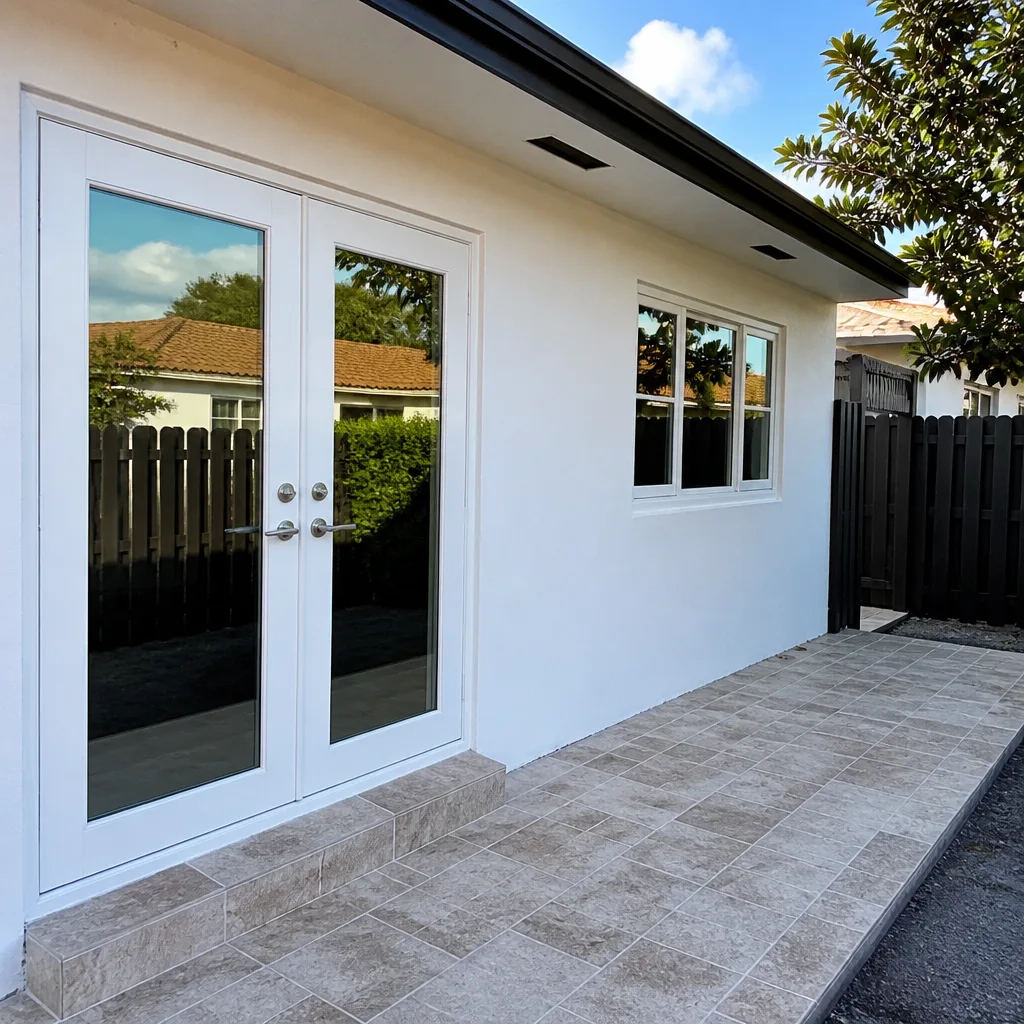 After
After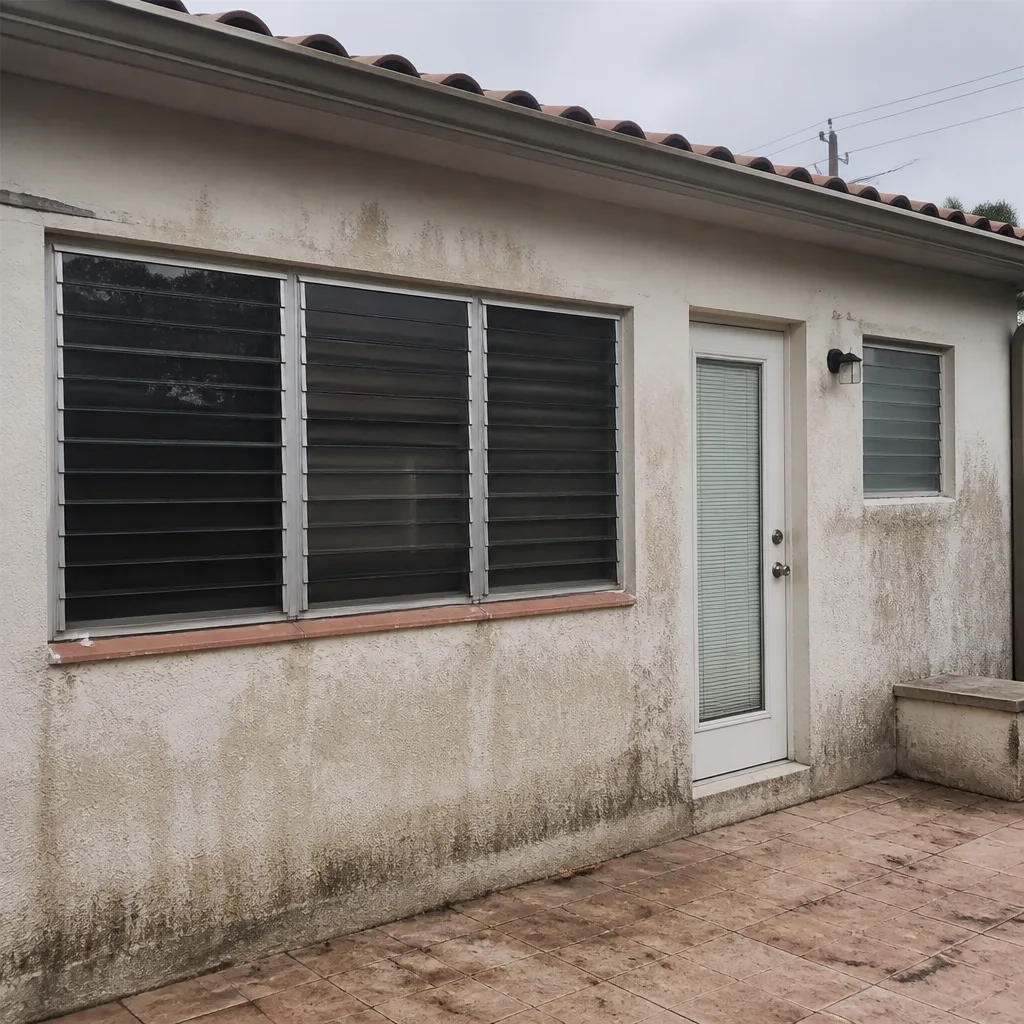 Before
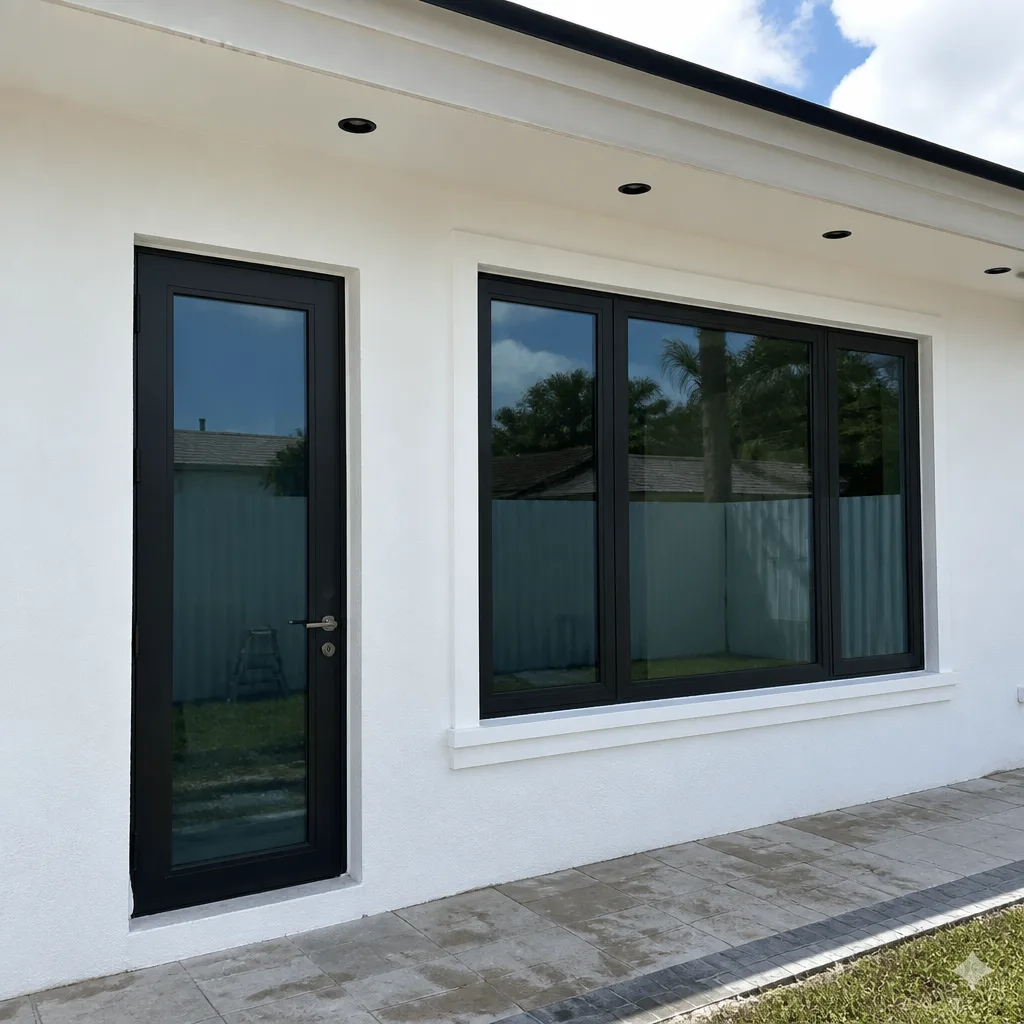 After
After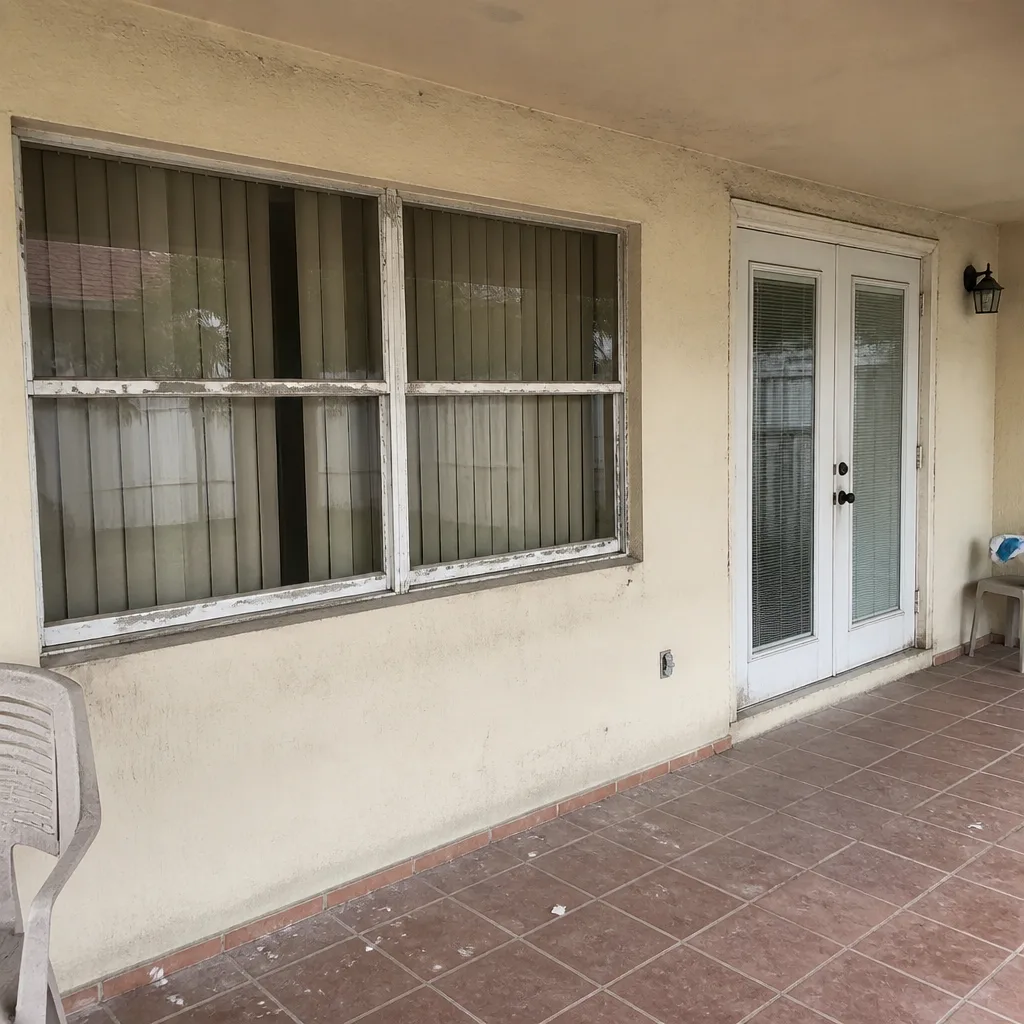 Before
 After
AfterFast, Reliable Roof Repair Across Miami Beach
A roof repair in Miami Beach typically runs $350-$950 for minor leaks and flashing work, $900-$2,800 for mid-size repairs like valley or vent boot replacement, and $3,500-$9,000+ when structural decking, parapet rebuilding, or HVHZ re-flashing is required. We’re Winslow Windows & Doors, and we’ve been repairing roofs on barrier islands long enough to know that Miami Beach doesn’t forgive shortcuts. Salt eats flashing. Wind-driven rain finds every gap. And the Art Deco Historic District has an architectural review board that will reject work a Broward roofer would have closed out weeks ago. Call (850) 998-3090 and you’ll reach a live person who can talk through your roof, your building, and your review timeline without a script.
Ed Winslow started this company in 2011 because he was tired of watching homeowners get handed vague estimates and no-show crews. That frustration still drives how we work in Miami Beach: we show up when we say we will, we write line-item quotes, and we do the job the way the reviewer, the inspector, and your HOA all need to see it.
Why Winslow Windows & Doors Is Miami Beach’s Preferred Roof Repair Company
Miami Beach residents don’t have normal roofs, and they know it. A Collins Avenue condo doesn’t get the same repair as a Kendall rancher. You’re dealing with salt-laden air off the Atlantic on one side and Biscayne Bay on the other, which means aluminum roof flashings, vent boots, and scupper liners corrode years faster here than inland. You’re also inside Florida’s High Velocity Hurricane Zone, so any repair we touch must meet Miami-Dade product approval standards that don’t apply in most of the state.
That’s the work we do. Our Roof Repair team has handled leaking parapets on Mid-Beach condos, failing tile underlayment on North Beach homes built in the 1950s, and corroded metal roof eyebrows on South Beach Art Deco buildings where the Historic Preservation Board has to sign off before a single tile comes off. We background-check every technician, we arrive in uniform, and Ed’s name is on the door and on every job we do. If it’s not done right, the Done Right Promise means we come back and make it right. No expiration. No fine print.
We also answer the phone. Twenty-four hours a day, seven days a week, a live person picks up. No call center. No voicemail loop that tells you to press 4 for roofing. When a storm blows scuppers loose on a Sunday night in Miami Beach, you get a human on the first ring.
Our Roof Repair Services in Miami Beach
These are the four repair types we handle most often across Miami Beach:
Leak Detection and Repair
Most Miami Beach leaks aren’t where the water shows up. Water entering at a corroded parapet cap on a Collins Avenue building can travel along the deck and stain a ceiling two units away. We trace the actual entry point, not just the stain, then repair the flashing, membrane, or sealant detail at the source. On occupied high-rises, we stage containment so units below stay dry while we work.
Flashing and Vent Boot Replacement
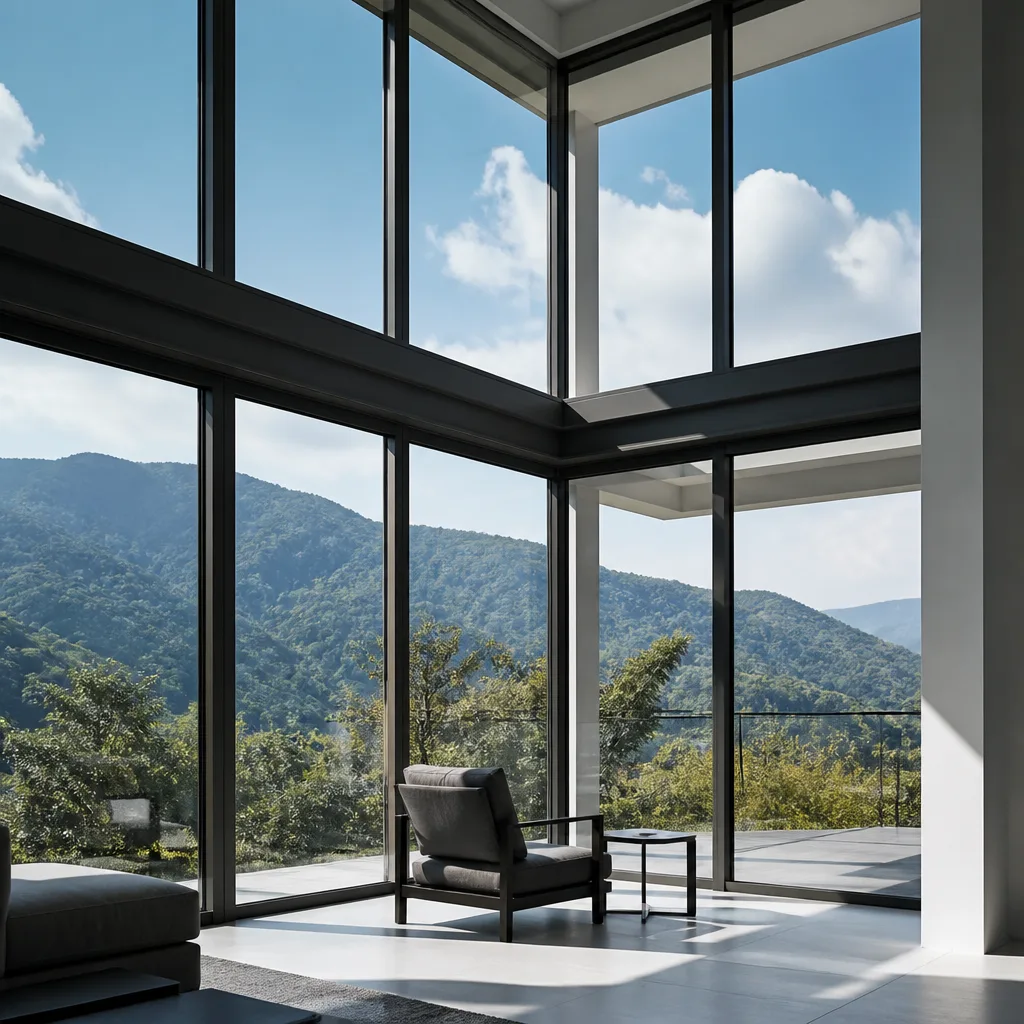
Salt air from the Atlantic and Biscayne Bay attacks roof flashings around vents, pipes, and scuppers harder in Miami Beach than nearly anywhere else in South Florida. We replace corroded vent boots, pipe collars, and step flashing with HVHZ-compliant materials, often upgrading to heavier-gauge metals or PVC boots that hold up longer in this environment.
Parapet and Scupper Repair
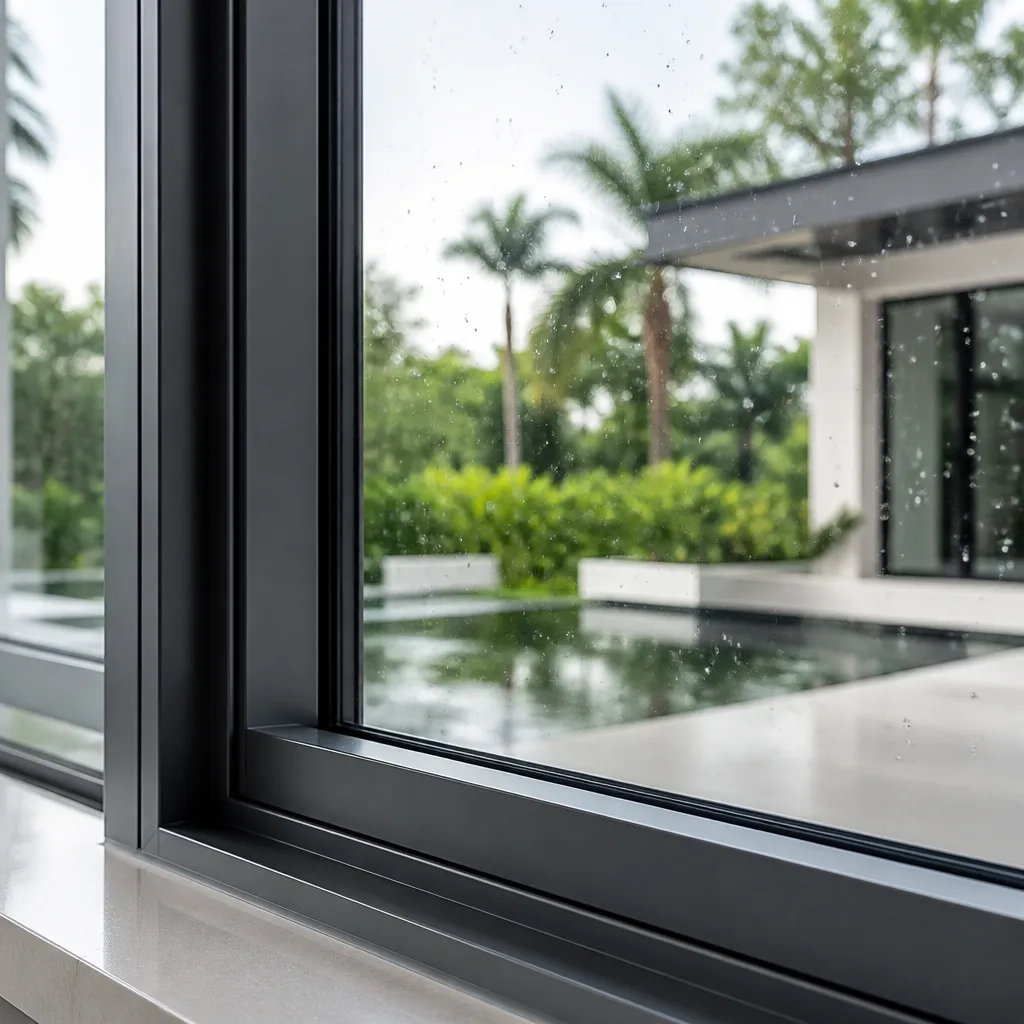
Flat and low-slope roofs dominate Miami Beach, especially on the 1930s and 1940s buildings in the Art Deco Historic District and the 1960s-1980s condos along Collins Avenue and Mid-Beach. Parapet walls crack, scupper drains clog or corrode, and water finds its way behind stucco. We rebuild parapet caps, reseat scupper liners, and detail the membrane termination so water exits the roof instead of entering the wall. In the Historic District, we match profiles the Preservation Board will accept.
Roof Deck Repair and Re-Decking
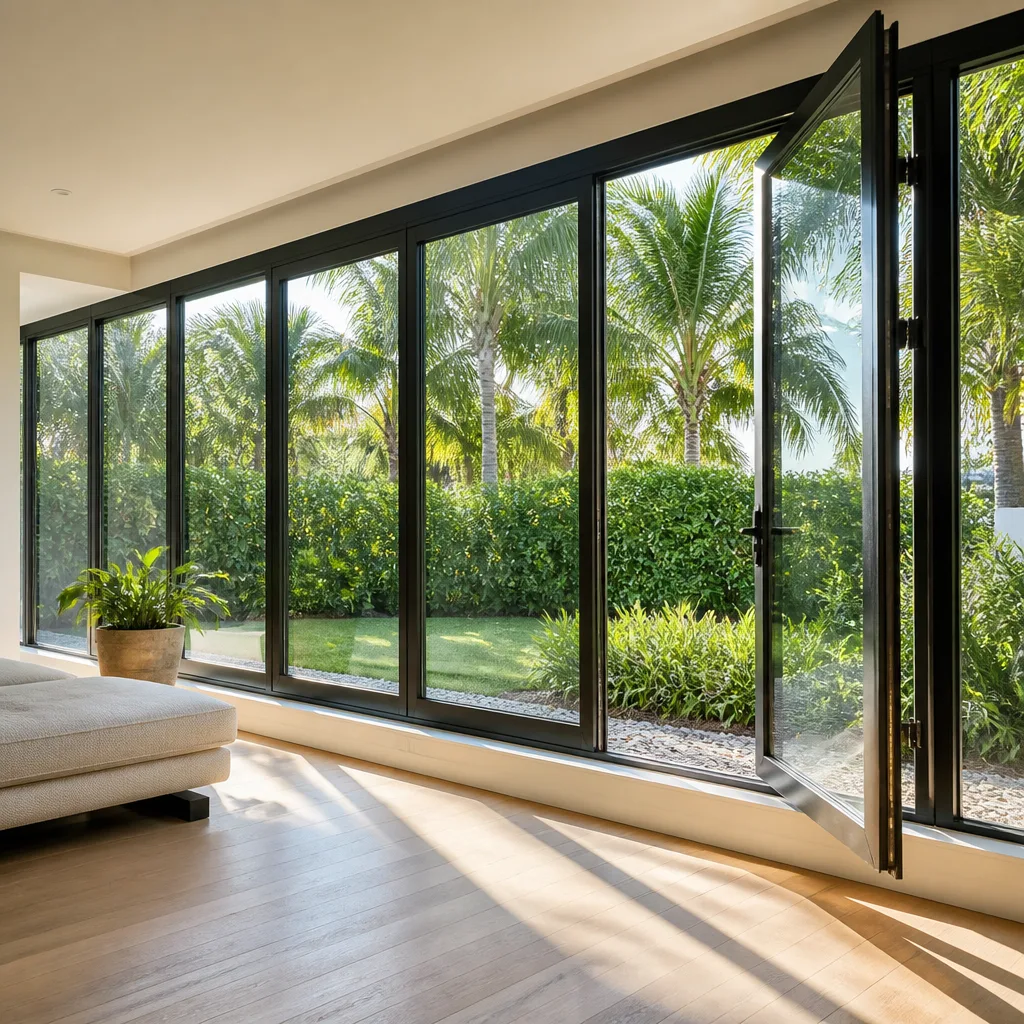
When an older Miami Beach roof has rotted plywood or spalled concrete decking, patching a corner won’t fix it. We remove and replace the damaged deck sections, re-fasten to current HVHZ requirements, and re-install the membrane or tile assembly with new flashing throughout. This is common on post-Surfside recertification projects where the 40-year inspection finds deck corrosion that the roof membrane alone can’t resolve.
What happens when you call
- 1
A real person answersNo phone trees - you reach a local pro.
- 2
You get an upfront price rangeHonest numbers before anyone is dispatched.
- 3
A background-checked tech heads outLicensed & insured, dispatched right away.
- 4
You approve before work beginsNothing starts until you say go.
Trusted Brands We Service in Miami Beach
We install and service products from PGT and CGI, two manufacturers whose names carry weight with Miami-Dade County reviewers and insurance carriers alike, and we also offer our Impact Windows in Miami Beach. We also work with ViewLux for specialty and custom openings where the Historic Preservation Board needs a thinner profile that still carries full NOA documentation. Because we install these brands regularly in Miami Beach, we know which configurations carry the right Miami-Dade Notice of Acceptance for your building’s wind zone and which ones will pass historic review on Collins or Ocean Drive. We order parts directly from manufacturer-authorized channels, so your repair isn’t held hostage by a supply house in another county.
Common Roof Repair Problems We See in Miami Beach Homes
- Corroded parapet flashings and scupper liners. Salt-laden air off the Atlantic and Biscayne Bay eats standard aluminum and galvanized flashing in ten to fifteen years here, versus thirty or more inland. We see this on nearly every Mid-Beach and North Beach building we inspect.
- Wind-driven rain entering at roof-to-wall intersections. Miami Beach’s exposure means rain doesn’t fall straight down; it blows sideways into every seam. Step flashing and counter-flashing details that pass code in Miami won’t hold up a block from the ocean.
- Tile roof failures on 1950s and 1960s homes. Original clay and concrete tiles in neighborhoods west of Alton Road and up toward North Beach crack from age, and the underlayment beneath them is often original felt paper that disintegrates on contact once exposed.
- Historic review complications on Art Deco buildings. A roofer fixes the roof, but the Preservation Board flags the replacement material, color, or profile because it doesn’t match the original 1930s-1940s design. We file the right drawings the first time so the repair actually gets finished.
Pricing for Roof Repair in Miami Beach, FL
Here’s what Miami Beach homeowners typically pay for common repairs:
- Minor leak repair and spot flashing: $350-$950
- Vent boot or pipe collar replacement: $250-$600 per penetration
- Valley, step, or counter flashing replacement: $900-$2,800
- Parapet cap and scupper rebuild: $1,800-$5,500
- Roof deck repair or partial re-deck with membrane: $3,500-$9,000+
What moves the price in Miami Beach: whether the building falls in the Art Deco Historic District and needs board review, whether the repair touches parapets or scuppers on a high-rise requiring staging, and whether the existing assembly is tile, metal, or membrane. A ground-floor mews house off Alton Road is a different job than a 12th-floor roof deck on Collins. We figure all of that into a written, line-item quote before anyone picks up a tool. Call (850) 998-3090 to schedule a free in-home measure and quote.
What Roof Repair Costs in Miami Beach
Beyond repairs, some Miami Beach homes and buildings end up needing Miami Beach Shingle, Tile & Metal Roofing full replacement rather than patching. When that happens, here are the anchors we work from: impact-rated roof hatches and scuppers generally run $800-$1,500 each installed; larger custom openings, like roof-access doors or skylight replacements that must hold HVHZ wind loads, land between $2,500 and $5,000; and whole-roof replacement packages across a single-family Miami Beach home typically sit in the $8,000-$25,000+ range depending on tile versus metal, deck condition, and the number of penetrations. Floor height matters too: a North Beach ranch is a simple ladder job, while a Collins Avenue high-rise means scaffold, crane, or swing-stage access, plus HOA coordination. We give you a written quote after a free in-home measure, so you never guess. Ed doesn’t do vagueness.
The Architectural Review Reality in Miami Beach
If your building sits inside the Art Deco Historic District, roof repair in Miami Beach has a second approval path that doesn’t exist anywhere else in South Florida. The Miami Beach Historic Preservation Board must approve replacements that affect the building’s exterior appearance, and that includes roof materials visible from the street, parapet profiles, scupper placements, and even tile color. A fully NOA-certified roof hatch or metal eyebrow can still be rejected if the frame depth, sightline width, or profile doesn’t convincingly replicate the original thin-profile steel look from the 1930s or 1940s.
Because Miami Beach sits inside the HVHZ, every impact-rated product we use must also carry a Miami-Dade Notice of Acceptance, a stricter product-approval standard than the Florida-wide system that allows many products sold freely in Broward or Palm Beach. Those two tracks run side by side: HVHZ engineering approval on one, historic aesthetic approval on the other. This page is the only roof repair guide that maps both tracks for Miami Beach, so you can schedule work without a half-finished roof sitting exposed on your building.
We manage both paths. We prepare the submittal packet with drawings, product specs, and color samples that match original profiles. We file it with the Preservation Board, track the review, and schedule the repair so crews arrive after the board signs off, not before. Review typically adds two to six weeks to the calendar on a historic building. We plan for it from day one, so your roof isn’t torn open while a committee meets. That’s what three decades of local trade knowledge buys you.
Field Notes: A Mid-Beach Condo on Collins Avenue
On a Mid-Beach condo along Collins Avenue, our crew replaced corroded aluminum roof vents and flashing that had been eaten by salt-laden air off the Atlantic. Because the building fell under Miami-Dade’s HVHZ, we sourced PGT impact-rated roof hatches and a Florida Product Approval-listed membrane system, then worked with the HOA board to stage the work after the board’s architectural committee sign-off, so the roof wasn’t left open while waiting on a meeting. That’s the difference between a crew that knows Miami Beach and one that’s just passing through. We sequence the approvals, the staging, and the repair so the building stays watertight from start to finish.
The Failure Modes We’re Called In to Fix
We get called to Miami Beach jobs after other roofers have walked away, and the failure patterns are consistent. A roofer installs a perfectly good roof eyebrow over a window opening in the Art Deco Historic District, but the Preservation Board flags the horizontal banding and replacement profile as non-conforming, forcing demolition and refile. On a Mid-Beach condo, the HOA’s 40-year recertification finds corroded steel lintels and concrete spalling at window head flashings, but the repair scope fails because the HVAC unit penetrations and vent boots aren’t integrated into a single HVHZ-compliant flashing detail. A rebuilt parapet and scupper on Collins Avenue passes the city inspector, but the first heavy rain shows water running behind the stucco because the original flush-finished steel window jambs weren’t detailed to accept the new membrane overlap, and the repair crew didn’t perform Eco Window Systems repair in Miami Beach remove and reseat the old casement sash.
We fix those. Correctly. The first time. And if anything isn’t right, the Done Right Promise means we’re back until it is.
Florida Pays You Back
Miami Beach homeowners have more incentive money available to them than most of the country, and you can stack several programs. The My Safe Florida Home program offers matching grants up to $10,000 for qualifying wind-mitigation upgrades. Florida also exempts impact-resistant openings from sales tax, which shaves real money off a larger repair or replacement. On the federal side, the 25C energy credit covers 30% of product cost, up to $600 per year, on qualifying units. And after a wind-mitigation inspection, which runs $75-$150, homeowners on Miami Beach regularly see their windstorm premium drop by around 25%. Programs and carriers set the final numbers, so we never guarantee a dollar figure, but we’ll point you to the paperwork and let you claim what’s yours.
One comparison worth making: impact-rated roof and wall assemblies versus a stack of hurricane shutters pulled from a closet. Shutters only work if someone is home to hang them, and they do nothing for a roof deck or parapet. Impact-rated products are installed once, protect continuously, and quiet the building against wind and city noise. For a barrier island like Miami Beach, the choice isn’t close.
We Also Serve Cities Near Miami Beach
Our crews serve Miami Beach, and we also run jobs in nearby Miami, Hialeah, North Miami Beach, and Miami Gardens. If you’re just outside the beach, call (850) 998-3090 and ask; the dispatch team will confirm service for your block and get you on the schedule.
Serving Miami Beach, FL - Our Local Coverage Area
We’re based in the Miami Beach area and know this community well. Use the map below to see our service coverage - if you’re nearby, we can almost certainly help.
FAQs - Roof Repair in Miami Beach
Because Miami Beach sits inside the High Velocity Hurricane Zone, and the HVHZ rule applies to the entire exterior envelope, not just windows and doors. Any product used in a roof assembly or a roof-to-wall penetration, whether it’s a vent boot, a scupper liner, or an impact-rated hatch, must carry a Miami-Dade Notice of Acceptance for wind loads and water infiltration. If it doesn’t, the inspector can fail the job even if the repair itself was done cleanly. We source only products with current NOA documentation for Miami Beach work. Call (850) 998-3090 if you want us to review what a previous contractor left behind, and we’ll tell you honestly what passes and what doesn’t.
Yes, and it happens regularly in the Art Deco Historic District. The Preservation Board reviews exterior changes for compatibility with the original design, and that includes tile color, profile, and sheen; a bright red replacement tile on a building that originally had muted terracotta can get flagged and rejected. We pull the board’s guidelines before we order materials, so the first submittal matches what the reviewer expects. Call (850) 998-3090 and we’ll check your building’s contributing status and what the board has approved on similar properties nearby.
Road elevation projects have raised finished street grades on multiple Miami Beach blocks to counter tidal flooding, which changes how ground-floor roofs and parapets relate to the surrounding drainage. An existing scupper that once discharged onto a sidewalk may now sit too low relative to the raised street, and ground-floor flashing details may need to be adjusted so water doesn’t channel back against the wall during a king tide. We check current grade elevations before we finalize any ground-floor repair scope, because the building you own today isn’t sitting at the elevation it was built at. For an exact assessment, call (850) 998-3090 and we’ll come measure.
Yes. Roof repair and Window Installation in Miami Beach are separate permit scopes, even when they’re part of the same exterior renovation. Each scope has its own review path, and if the building is in the Art Deco Historic District, both scopes may require Preservation Board approval before either permit is issued. We file both applications together so the review timelines align and you don’t end up with an approved roof permit but a window permit stuck in committee. Call (850) 998-3090 and we’ll map the full permit path for your building.
On a contributing building inside the Art Deco Historic District, expect architectural review to add roughly two to six weeks to the calendar before any exterior roof work can begin. The board meets on a set schedule, submittals must be complete by deadline dates, and incomplete packets get bumped to the next cycle. We’ve learned to file early, label every drawing, and attach product approvals on the first pass. That’s how we keep a Miami Beach historic roof repair from turning into a three-month limbo. To get your building’s specific review timeline, call (850) 998-3090.
Call Winslow Windows & Doors for Roof Repair in Miami Beach
You deserve a roofer who understands this island, prepares for the review board, sources the right HVHZ products, and stands behind the work long after the invoice is paid. We’re that company. Call (850) 998-3090 for a free estimate, a free second opinion on any written roof repair quote, and a live person on the other end of the line. No trip charge inside our home county. A permanent 10% discount for seniors and veterans. And $40 off any repair over $200, every day, not as a limited-time lure.
The one down the road.
Written by Ed Winslow, Owner at Winslow Windows & Doors, serving Miami Beach since founding the company in 2011.
Six Reasons Homeowners Choose Winslow Windows & Doors
Impact systems engineered to design pressures up to +/-100, matched to your wind zone - your openings hold when the storm arrives.
Low-E insulated impact glass from our manufacturer lines commonly cuts monthly cooling bills 20-30%.
Laminated impact glass shuts out up to 40% of outside noise - traffic, neighbors, weather.
Monitoring services run $30-90 a month. Laminated impact glass resists forced entry around the clock, with no subscription.
Florida homeowners average around 25% savings on the windstorm portion of their policy after protecting every opening - some homes qualify for more.
A full impact package upgrades curb appeal, buyer confidence and appraised value in one project.