
Last updated August 27, 2026
Free in-home measure and quote - PGT, CGI and CWS impact lines compared on your actual openings, style by style
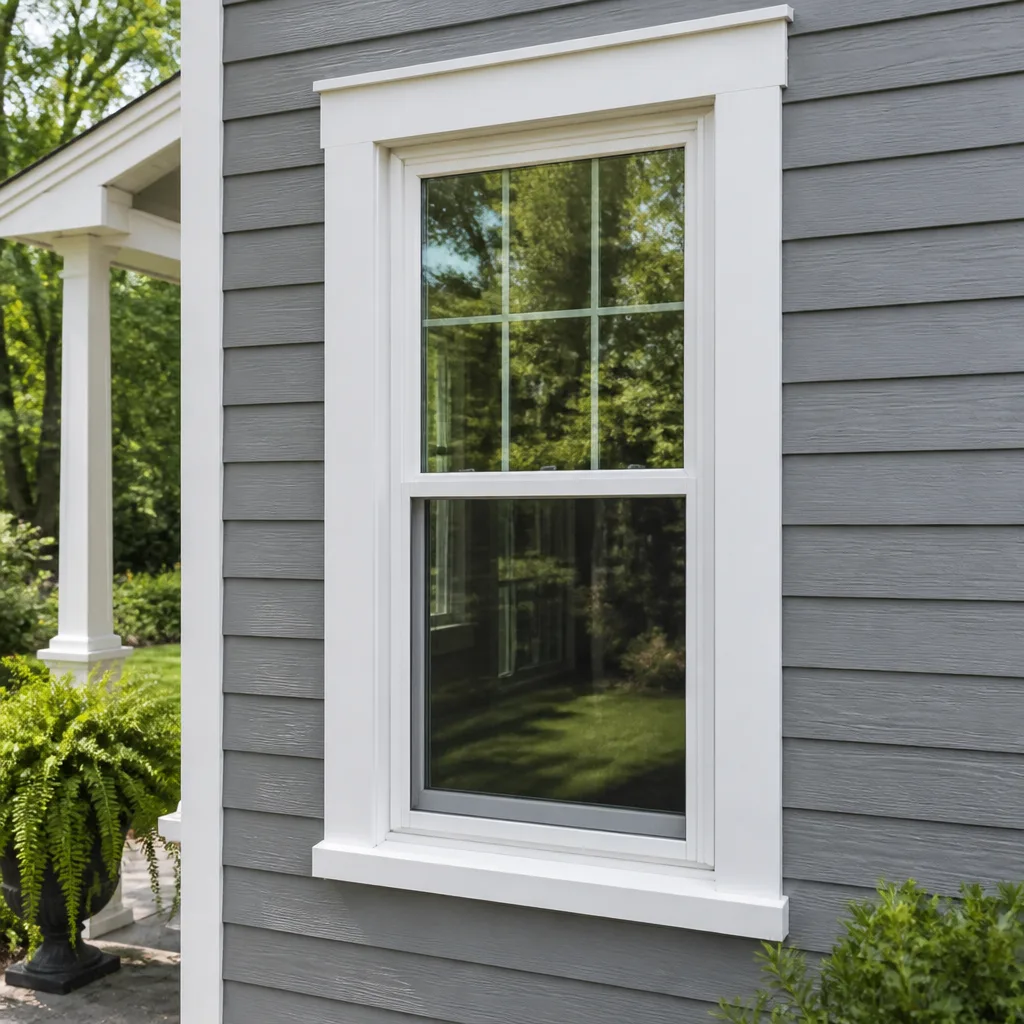
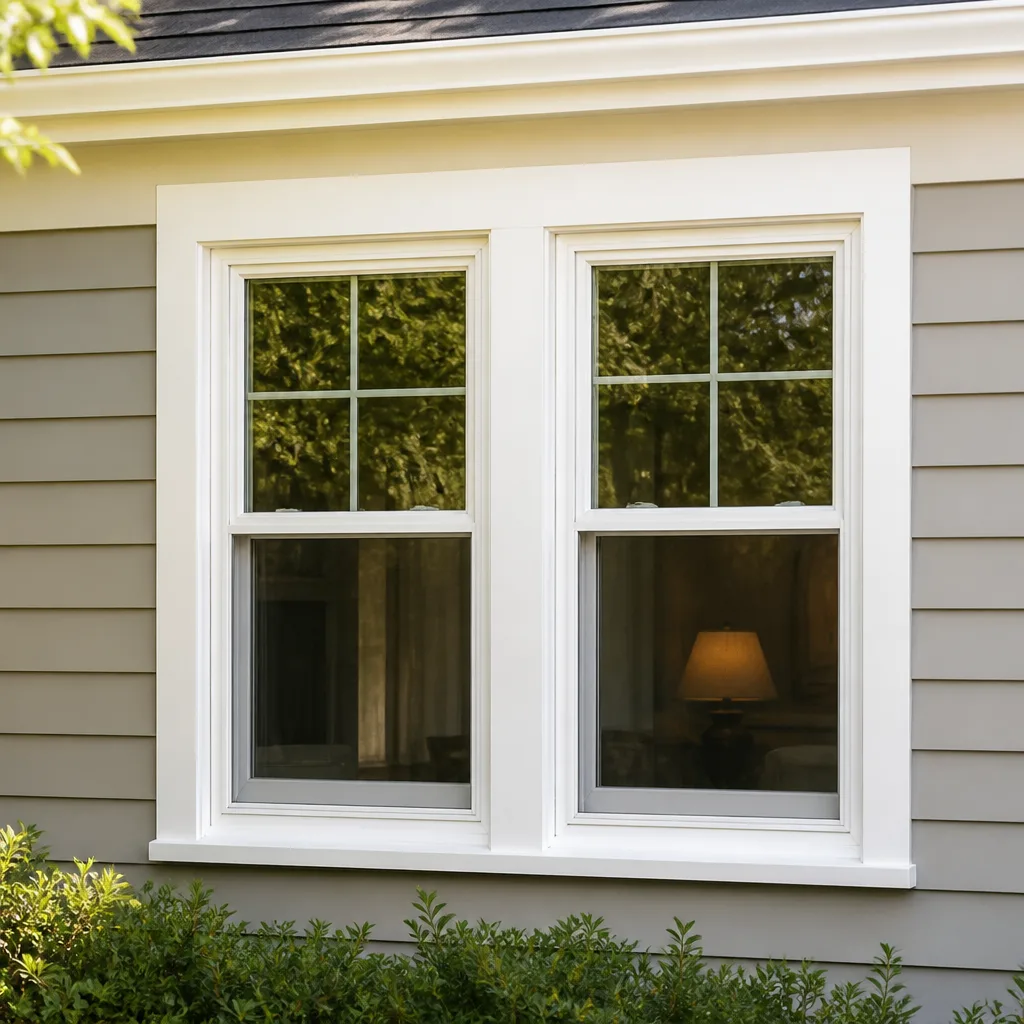
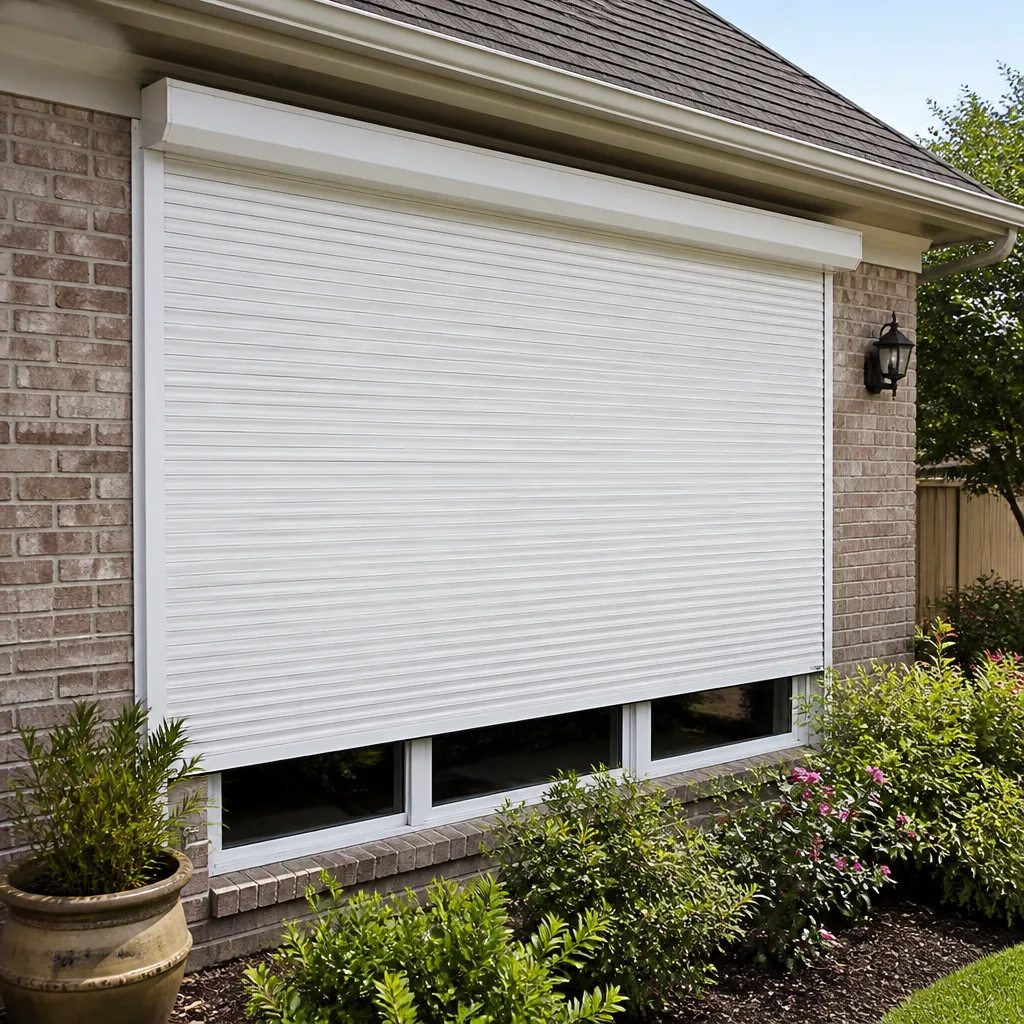
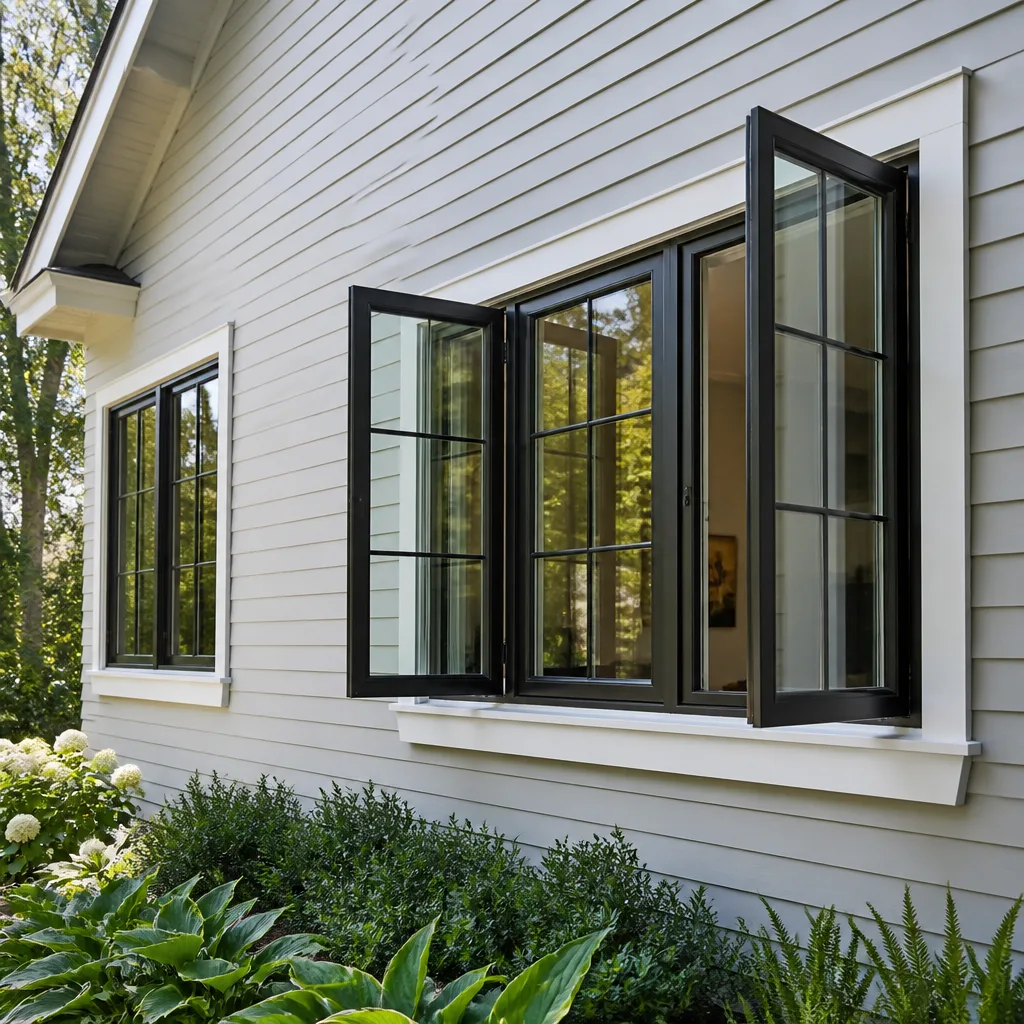


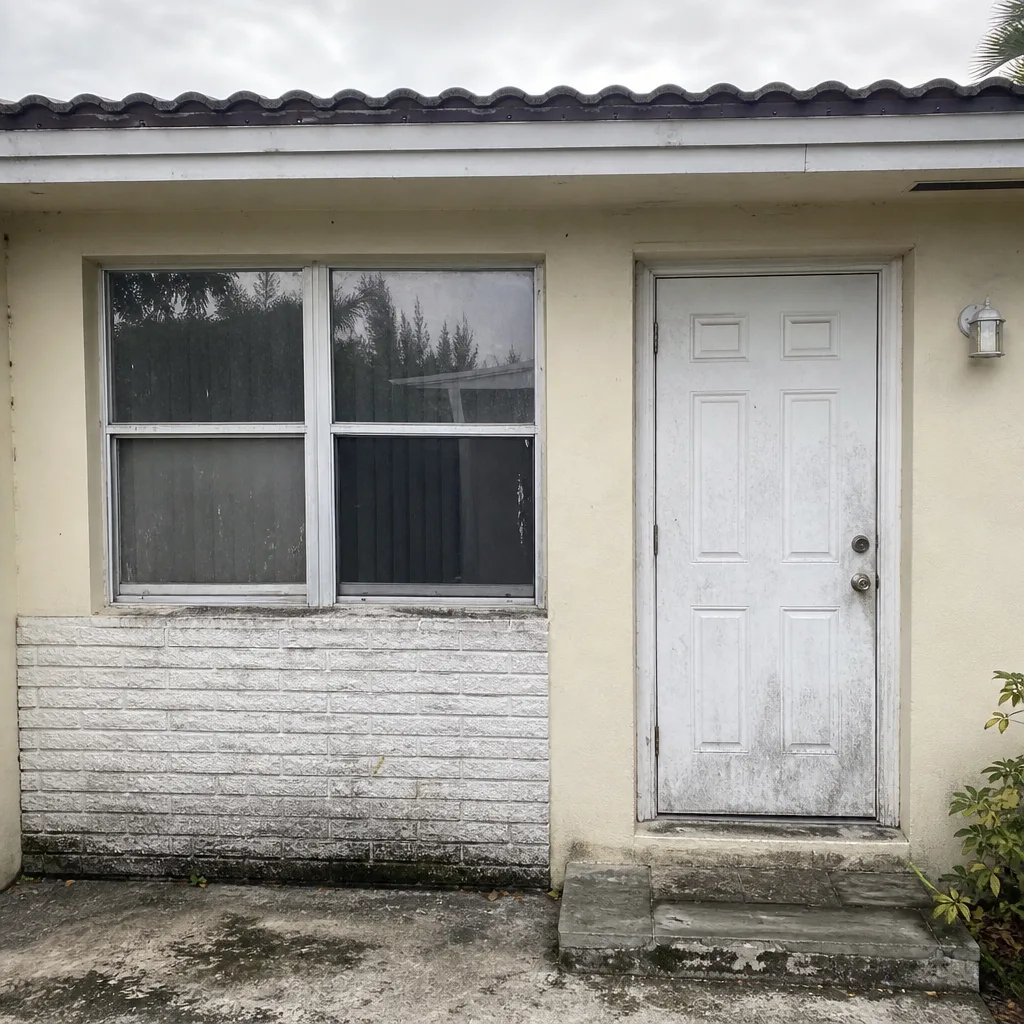 Before
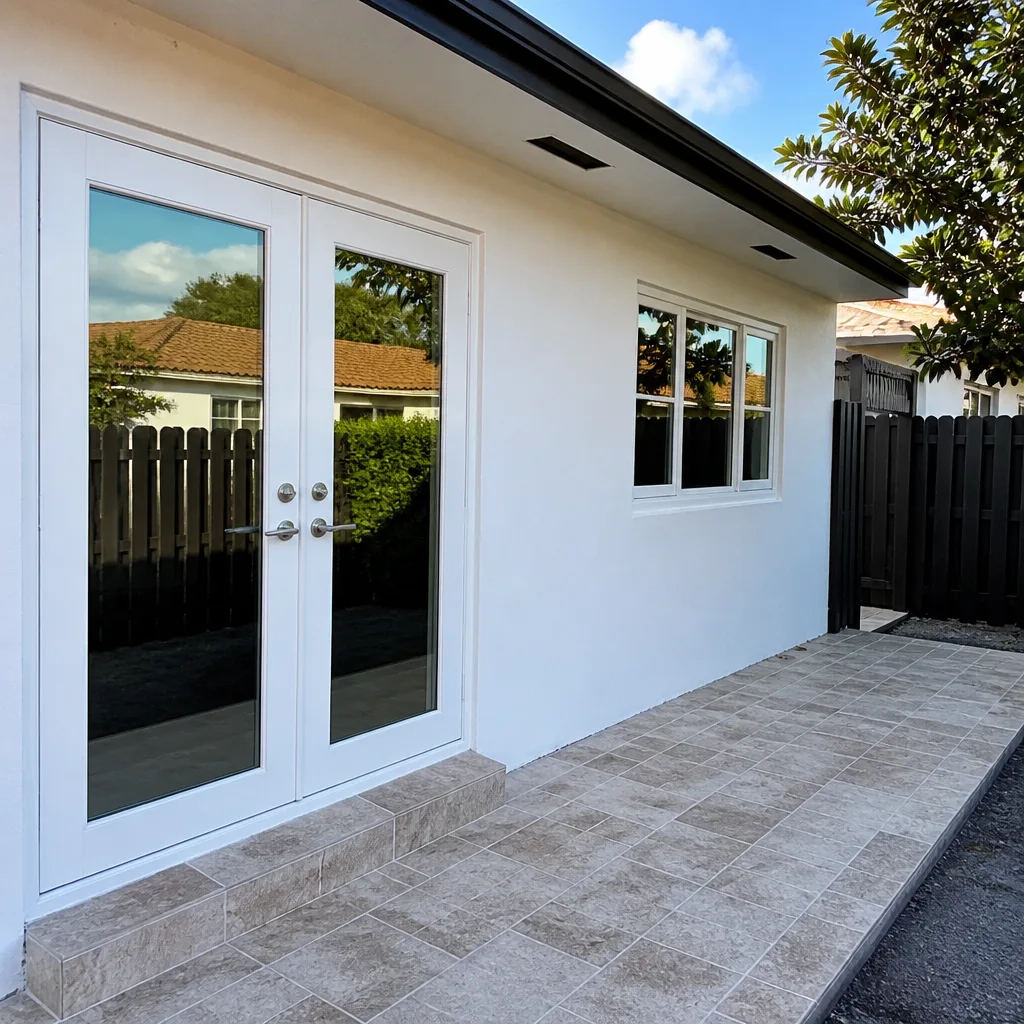 After
After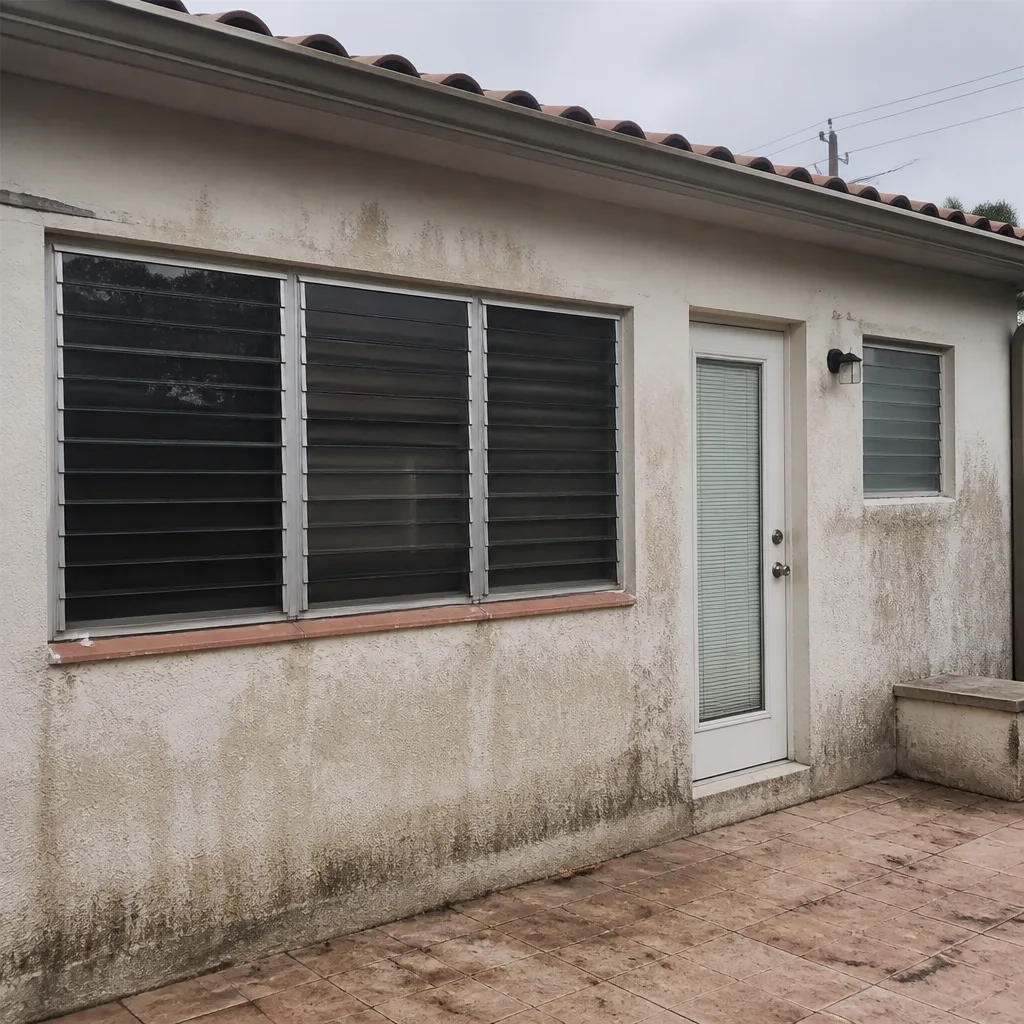 Before
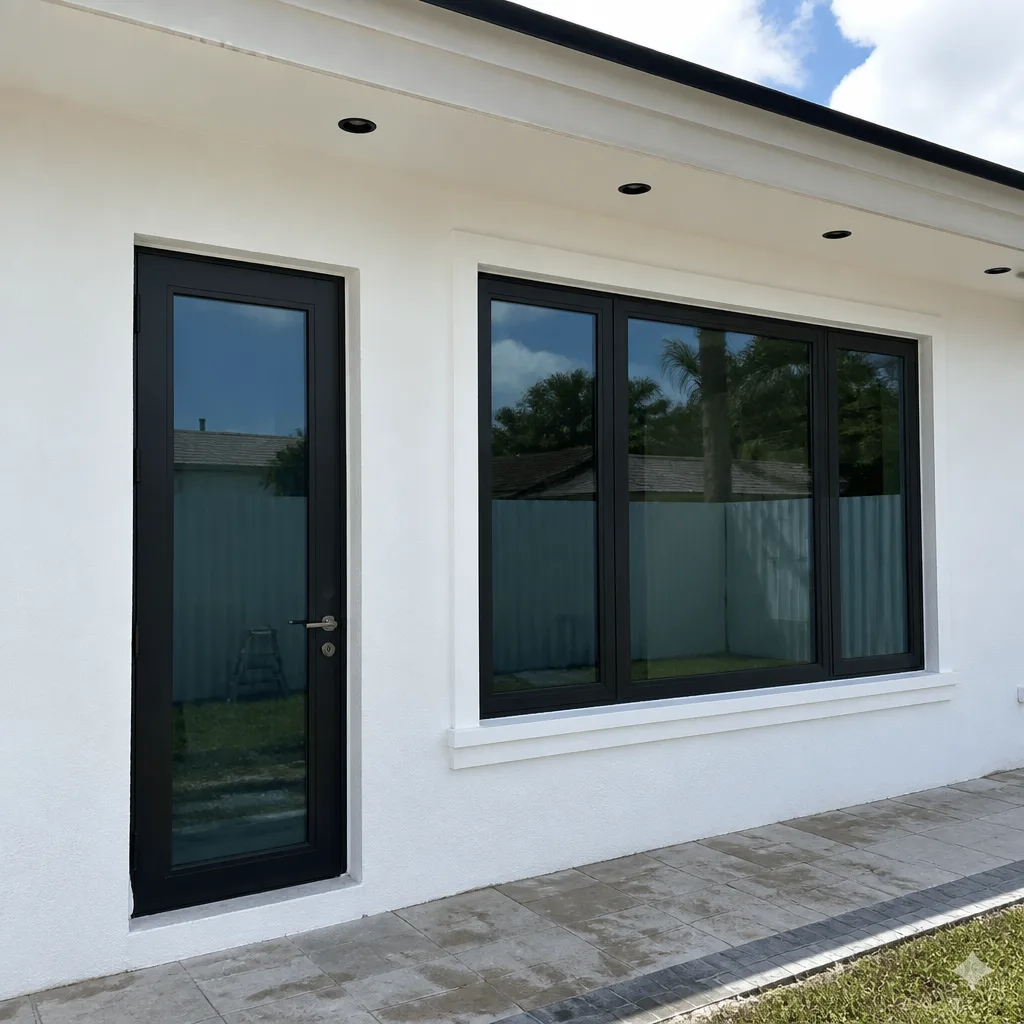 After
After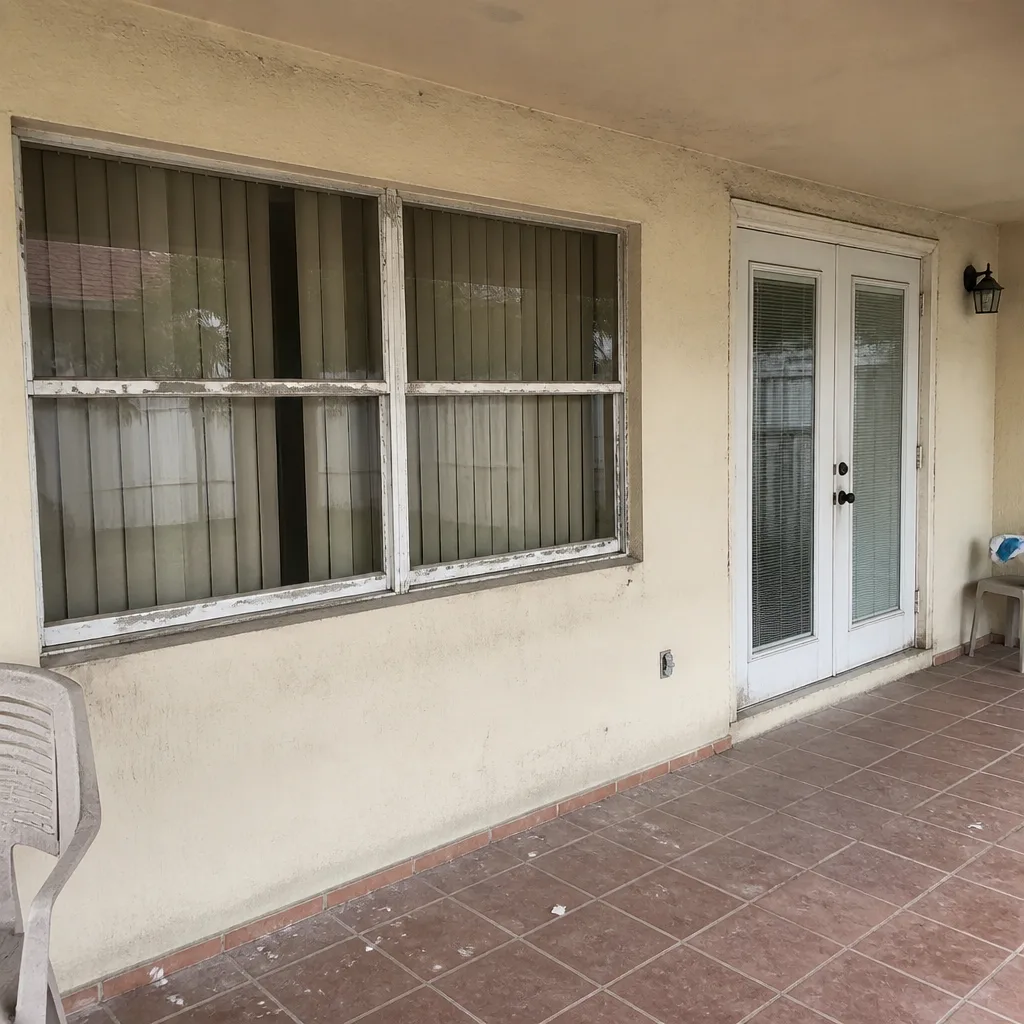 Before
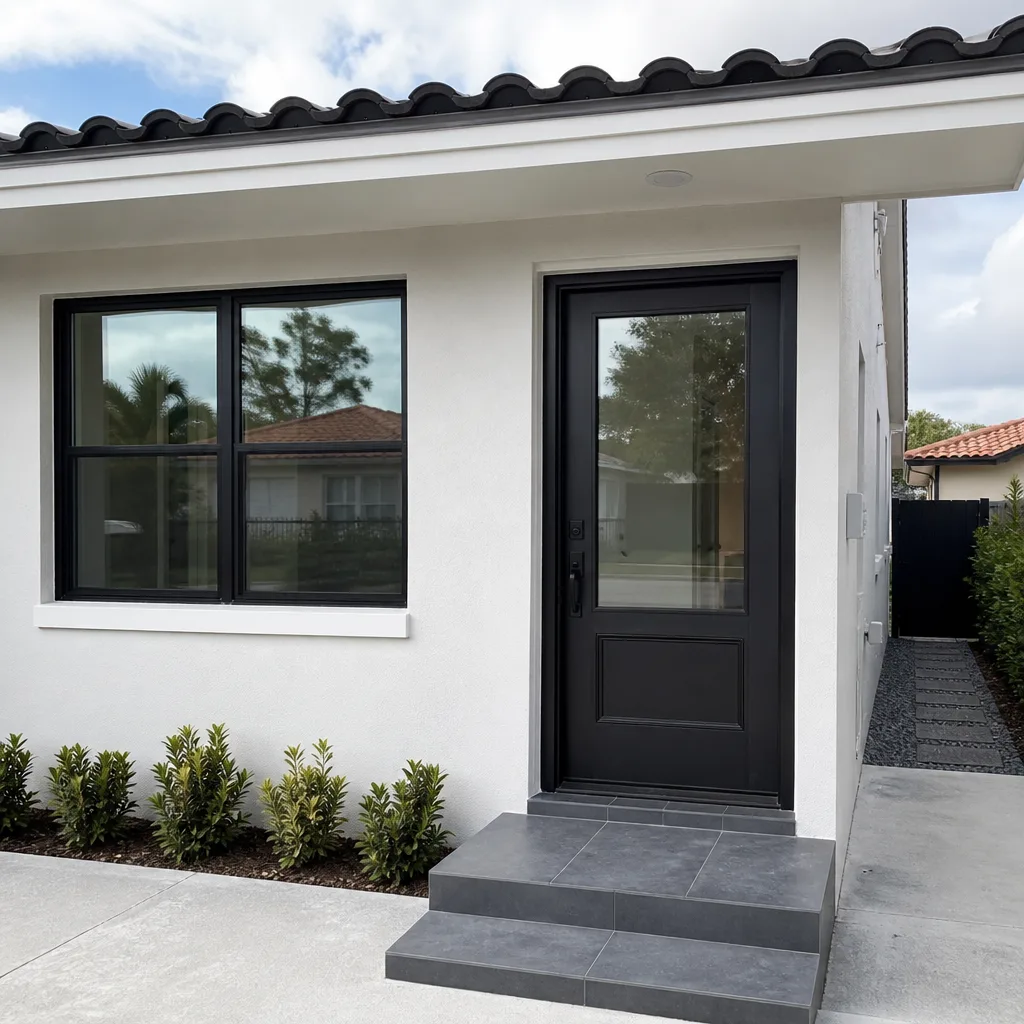 After
AfterSeasonal Windows & Doors Care for Hialeah: Year-Round Homeowner’s Guide
The single most destructive month for window and door hardware in Hialeah isn’t during a named storm. It’s October. After hurricane season peaks, the air hangs thick with residual moisture, afternoon downpours still roll through, and most homeowners have shifted their attention to fall routines. That combination of sustained humidity and neglected hardware is what seizes rollers, swells frames, and corrodes tracks months before anyone notices. This guide lays out a Hialeah-specific care calendar: what to do in each climate phase, why it matters for your exact products, and the inspection sequence our crew follows after heavy wind events. By the end, you’ll know how to match maintenance to Hialeah’s real weather pattern, not a generic four-season checklist written for Ohio.
Quick Answer
Hialeah doesn’t have spring-summer-fall-winter. It has a pre-wet season (April to May), an active storm season (June to September), a post-season humidity spike (October to November), and a dry-season restoration window (December to March). In our experience, Hialeah homeowners get the most life out of windows and doors by matching maintenance to these actual climate phases: prep and seal before the rains, inspect after heavy winds, assess and document rubber and hardware wear in October, and restore, lubricate, and align during the dry months. The big payoffs are catching sliding-door track corrosion early and addressing entry-door frame warping in February before small misalignments become structural damage.
Table of Contents
- Hialeah’s Real Climate: What the Calendar Doesn’t Tell You
- Phase One: Pre-Wet-Season Prep (April-May)
- Phase Two: Active Storm Season Vigilance (June-September)
- Phase Three: Post-Season Assessment (October-November)
- Phase Four: Dry-Season Restoration (December-March)
- Why Sliding Door Rollers Degrade Faster in Hialeah
- Dry-Season Heat and Entry Door Frame Warping
- Post-Storm Inspection Sequence: What Ed’s Crew Checks First
- Matching Maintenance to CGI and Therma-Tru Recommendations
- Common Mistakes to Avoid
- When to Call a Professional
- Frequently Asked Questions
- The Bottom Line
Hialeah’s Real Climate: What the Calendar Doesn’t Tell You
Hialeah sits far enough inland from the Atlantic to lose the moderating sea breeze that keeps Miami Beach temperatures stable, but close enough to the Everglades to catch intense afternoon heat building off the sawgrass. The result is a climate profile distinct even from other Miami-Dade cities: hotter dry-season spikes, persistent wet-season humidity, and an October that behaves like a second summer with extra moisture. For windows and doors, that means four types of stress repeat every year, just not in the order a northern maintenance guide would expect.
The practical effect: window seals, door weatherstripping, track systems, and frame materials in Hialeah homes receive more expansion-and-contraction cycles per year than the same products installed in Tampa or Jacksonville. Rubber compresses, foam gaskets lose rebound, and metal tracks collect oxide. None of this announces itself loudly. It shows up slowly as a sliding door that needs a shove, a front door that sticks at 4 p.m., or a window that fogs between panes in December. We cover these phases in order below, but the honest takeaway from our 15-plus years in Hialeah is unglamorous: homeowners who inspect in April, October, and January every year, even for ten minutes, rarely face five-figure replacement bills.
Hialeah’s building stock also matters. Many homes in the original city grid date to the 1950s and 1960s, with later additions in West Hialeah and newer construction near the Palmetto and I-75 corridors. Older aluminum frames behave differently than modern impact-rated units, especially around drainage. If your home predates the post-Andrew building code changes, your maintenance calendar is even more important. For Hialeah homeowners, the relevant maintenance cycle isn’t spring and fall. It’s before the rains, during the storms, after the rains, and in the dry heat. Each phase has a specific job list.
Phase One: Pre-Wet-Season Prep (April-May)
April and May in Hialeah are the last reliable weeks of manageable humidity before the summer’s daily thunderstorm pattern settles in. This is the phase where we tell homeowners to handle everything involving sealants, sacrificial lubricants, and drainage paths. The goal is to create a dry envelope now, because once the first week of 90-degree heat and 4 p.m. downpours arrives, every opening in your home’s exterior becomes a leak test.
The pre-wet-season checklist, in the order we recommend:
- Inspect all exterior caulk and sealant beads around window frames and door casings. Hialeah’s dry-season UV is harsh; by April, beads installed two years ago may show cracking or pulling away from stucco. Press the bead with a thumbnail: it should flex, not fracture. Recaulk any gaps with a sealant rated for Florida’s UV index and joint movement.
- Clean and clear all weep holes on the bottom tracks of sliding glass doors and window frames. Hialeah’s spring pollen plus fine construction dust from the city’s ongoing redevelopment will plug these tiny drainage channels. A plugged weep hole is a standing water trap once daily rains arrive.
- Lubricate door hinges, sliding-door rollers, and window balance tracks with a dry silicone spray. Avoid petroleum-based products like WD-40 for tracks; in Hialeah’s heat, they attract grit and turn into grinding paste within weeks.
- Check weatherstripping compression around all exterior doors. The test we teach homeowners: close the door on a dollar bill and try to slide it out. If it moves freely, the gasket is no longer compressing enough to seal against wind-driven rain.
- Walk the exterior and look at the drip edges and any z-flashing above doors and windows. Hialeah’s spring thunderstorms deliver rain at near-horizontal angles off the Everglades. A missing drip cap above a door invites water behind the head casing.
This phase matters for a second reason. Manufacturers like CGI and Therma-Tru structure their limited warranties around proper installation and periodic maintenance. Pre-wet-season prep documents the baseline condition of your frames, tracks, and seals, which becomes important evidence if you ever file a warranty claim after a storm-season failure. Confirming a proper install matters too. If you’re starting fresh with window installation in Hialeah, the sealant and flashing details set the ceiling for how much maintenance you’ll need down the line.
Phase Two: Active Storm Season Vigilance (June-September)
Storm season in Hialeah runs June through early November, but the active core is June through September, when afternoon convection storms fire most days between 2 p.m. and 6 p.m. The maintenance posture in this phase is different: you’re not doing major restorative work. You’re watching for early failure, managing drainage, and deciding when a small issue needs a professional before it becomes a storm-wind liability.
Three questions we tell Hialeah homeowners to ask after every major rain event in this phase:
- Is water pooling anywhere it shouldn’t be? Check window sills, door thresholds, and interior floor edges within 24 hours of a heavy rain. Hialeah’s daily summer storms make small leaks visible fast, which is a blessing. A leak that shows now is a leak you can fix before a named storm arrives.
- Are sliding doors still gliding with one hand? Track grit and humidity combine in July and August, and rollers start binding. We’ll cover the specific Hialeah roller problem below, but during storm season, the warning sign is any new resistance. A door that binds now will be harder to secure properly if a hurricane watch is issued.
- Do all locks and multi-point hardware engage fully? Hialeah’s daily thermal cycles slowly shift door frames. By late August, a deadbolt that threw smoothly in May may catch on the strike plate. Storm-force wind needs the full engagement of every locking point on an entry door.
For homes with older windows, June is the month to consider whether window replacement in Hialeah makes sense before peak storm season. We install impact-rated windows from PGT, CGI, and other manufacturers to current Miami-Dade code, which matters as much for recurring wind-driven rain resistance as it does for debris impact.
Storm season is also the phase to check that all exterior doors latch without pressure. Here’s a quick sequence: close the door, lift the handle, and push on the door panel itself. If you feel movement against the weatherstripping before the handle engages, the door isn’t seating fully against the jamb. That’s a sign the alignment is drifting, and a drifting door gets worse exactly when you need it most.
Phase Three: Post-Season Assessment (October-November)
October is the month we want Hialeah homeowners to take seriously. The official Atlantic hurricane season runs through November 30, but the peak-storm activity fades by mid-October, right when residual heat and late-season rain keep ambient humidity above 75 percent for weeks at a time. This is the phase where corrosion accelerates: metal tracks, roller bearings, lock internals, hinge pins, and threshold screws all oxidize faster in warm, damp air than in any other month of the year. The problem is psychological: by October, most people have stopped watching the forecasts. Rain still falls, but nobody’s invested in checking their windows afterward. That inattention is what October exploits.
The October-November inspection is the most important one of the year, and it should be done twice: once in early October, and once in mid-November after the final bands of storm-season rain have passed. Here’s what you’re looking for:
- White or green residue on metal tracks and hardware. This is aluminum or brass corrosion beginning to form from trapped moisture. In Hialeah’s October humidity, it appears within days on untreated metal. Clean it with a soft brush and isopropyl alcohol, then apply a dry silicone lubricant.
- Swollen or stiff weatherstripping. Foam and rubber gaskets absorb moisture. In October’s sustained humidity, they swell and then pack down as they dry. A gasket that’s stiff and cracked rather than springy has lost most of its sealing value.
- Interior condensation between double-pane glass. Hialeah’s October temperature swings create the conditions that reveal failed seals. If a window fogs between panes in the morning and clears by noon, the inert gas fill has leaked, and the unit’s insulating value is compromised.
- Soft spots under door thresholds. Take a screwdriver handle and tap along exterior thresholds. A dull thud instead of a sharp rap often means rotting subfloor or threshold support. October’s moisture exposes this in older Hialeah homes, especially original 1950s and 1960s construction.
Document everything. Use your phone to photograph any corrosion, swelling, cracking, or fogging. Not only does this create a maintenance record for warranty purposes, it gives you a concrete baseline to compare in January. Hialeah homeowners who track October condition against January condition learn their home’s specific moisture behavior. Some houses in the older grid dry out fast; others, especially those shaded by mature oaks or positioned on low lots near the canal system, hold moisture for weeks.
Phase Four: Dry-Season Restoration (December-March)
Hialeah’s dry season runs roughly December through March. Humidity drops into the 60s and 70s, afternoon rain becomes rare, and daytime highs settle into the 70s. This is the restoration window: four months when sealants cure predictably, finishes dry properly, and hardware adjustments hold. If you only do one major maintenance project per year, do it in January or February.
Why the timing matters for products: most sealants, adhesives, and finishes on the market specify cure temperatures and humidity ranges. Hialeah’s wet-season humidity makes summer application unreliable; dry-season application creates a stronger bond and longer service life. The same logic applies to wood and fiberglass surfaces. A front door refinished in February gets cleanly dry days for the finish to harden before April’s humidity returns.
Priority items for the dry season:
- Adjust door alignment and strike plates. Hialeah’s dry-season heat causes framing and door panels to expand, and late-afternoon sun on a west-facing entry can shift a door enough to make it stick. Hialeah homeowners sometimes misdiagnose this as a foundation problem when it’s just seasonal thermal movement, which we’ll detail below. A professional alignment adjustment in February solves most sticking.
- Deep-clean and re-lubricate every track, roller, hinge, and balance system. Use the dry air to do the thorough version of the April quick-lube. Remove sliding panels (with help: they’re heavy), clean the bottom tracks completely, inspect rollers, and treat everything with dry silicone.
- Reapply protective finish to wood door exteriors. If you have a Therma-Tru wood-grain fiberglass or true wood door, inspect the finish for wear. Dry-season sun in Hialeah is intense, and any exposed wood or worn finish will degrade faster under direct UV than it would in a northern climate.
- Replace any weatherstripping identified as failed in October. Buy the same profile and material the manufacturer specifies for your door. Hialeah’s hardware stores stock common replacements, but for branded doors, ordering through an authorized dealer ensures the gasket matches the frame’s original geometry.
This is also the best season for any major project: window replacement, door installation, or impact upgrades. The weather cooperates, scheduling is more predictable, and any new sealants cure under ideal conditions before the next wet season begins.
Why Sliding Door Rollers Degrade Faster in Hialeah
Sliding glass door rollers in Hialeah fail faster than in almost any other Florida climate zone. The culprit is our specific wet-season cycle: daily rain plus high heat plus fine particulates. Here’s the sequence we see in our work across homes in Hialeah:
- Morning sun heats the aluminum track to 120-plus degrees. The metal expands slightly.
- Afternoon downpour cools the track quickly and leaves standing water in the track channel for an hour or more.
- That water mixes with dust and pollen that accumulated in the track overnight, forming an abrasive slurry that sits in the roller path.
- Opening and closing the door grinds this slurry into the roller bearings, and the wet-dry cycle repeats daily for months.
By late August, an average Hialeah sliding door has endured 100-plus wet-dry cycles with abrasive grit in its track. Compare that to Naples or Fort Myers, where the sea breeze moderates afternoon heating and evening cooling, or Tampa, where daily rain is less consistent. Hialeah’s inland position makes the thermal cycle more extreme, and the urban dust from ongoing construction adds more particulate burden than coastal areas see.
The maintenance response is specific. Twice a year (April and December), remove any debris from the track channels and run a small brush through the roller recesses. Then apply a dry silicone spray specifically formulated for sliding door tracks, wiping away excess. The critical alignment check: stand inside the closed door and look at the gap between the door panel and the frame along the full height. If the gap is wider at the top than the bottom, the door has dropped, which means the roller assemblies are worn or the adjustment screws have loosened. Left uncorrected, the weight of the door shifts onto the track edges and the rollers destroy themselves. A professional roller replacement in Hialeah typically runs several hundred dollars per panel, and if the track itself has been ground down, replacement can reach or exceed $800 per door. The preventive maintenance takes ten minutes and costs under $15 in spray lubricant.
For homeowners seeing a door that’s increasingly hard to close or that emits a grinding sound, this is the section to act on before October. The post-hurricane-season humidity spike accelerates whatever damage has already begun. In our experience in Hialeah, doors that get a late-September clean and alignment check rarely need roller replacement during the following dry season.
Dry-Season Heat and Entry Door Frame Warping
Every winter, we get calls from Hialeah homeowners convinced their house has a foundation issue because the front door suddenly sticks, the deadbolt won’t throw, or the door rubs against the frame at the top corner. Occasionally it’s a foundation issue. Far more often, it’s thermal expansion of the door frame assembly during dry-season heat spikes, which Hialeah delivers with a sharp edge when a cold front stalls south of Lake Okeechobee and leaves high pressure baking the city for days.
Here’s the mechanism. Exterior entry doors in Hialeah face direct sunlight for hours at a stretch, especially west-facing and southwest-facing doors in the afternoon. In the dry season, when clouds are scarce and humidity is lower, that sunlight pushes the surface temperature of a dark-painted steel or fiberglass door well above 140 degrees. The door panel expands. The frame, usually four-sided and built into an exterior wall, expands too, but at different rates depending on material, solar exposure, and wall insulation. When the wall cavity heats and cools faster than the frame assembly, tolerances shift by millimeters. A door that closed cleanly at 9 a.m. sticks at 4 p.m.
The giveaway that this is thermal, not structural, is timing. A door affected by thermal expansion sticks consistently in the late afternoon and releases in the evening. A foundation problem doesn’t have a daily rhythm. Watch your door through a dry-season afternoon: if it binds starting around 3 p.m. and loosens after sunset, you’re seeing normal thermal cycling, not a shifting slab.
How we address it on service calls:
- We inspect the strike plate alignment with the deadbolt in its fully thrown position, at both morning and afternoon temperatures.
- We adjust hinge positions or strip-reset the jamb so the door has acceptable clearance at the hottest part of the day, knowing it will seat slightly differently in the morning.
- On doors with severe exposure, we recommend adding a storm door or applying a reflective trim treatment that moderates surface temperature.
- We check the threshold height and sweep condition, because a door that’s expanding is also changing how it compresses the bottom gasket.
For Hialeah homeowners with Therma-Tru doors specifically, the fiberglass construction holds its dimensions better than wood, but the frame and weatherstripping still move. Matching the maintenance to the manufacturer’s clearance specs, rather than just sanding the door edge, keeps the assembly within its engineered tolerances. Done right, a January alignment job resolves the sticking for the entire year.
Post-Storm Inspection Sequence: What Ed’s Crew Checks First
After any named storm or any sustained wind event of 50 mph or more in Hialeah, our technicians follow a specific inspection order. Homeowners can run a simplified version of this sequence themselves before deciding whether to call us. The order matters: it’s designed to catch safety issues first, water intrusion second, and hardware strain third.
- Glass integrity. Walk every window and door and check the glass surface and edges at an angle, looking for cracks, chips, or spider webbing. Even a tiny impact chip from wind-driven debris compromises the unit’s structural rating. On impact windows in Hialeah, the glass may look intact even after a significant hit; that’s the laminated interlayer doing its job. But any visible fracture means the window should be evaluated.
- Frame-to-wall seal. Run your finger along the interior perimeter of each window and exterior door. You’re feeling for moisture or swelling in the drywall or trim. Water driven by 60-plus-mph wind can enter through tiny breaches that dry-weather rain never exposes.
- Water staining on ceilings and walls near openings. Check interior surfaces within two feet of every window and door. Hialeah’s stucco exteriors can hold water against the frame and release it slowly into the wall cavity after the storm has passed.
- Hardware function. Open and close every window, every door, every sliding panel. A door that operated smoothly before a 70-mph wind event may now bind because the wind load flexed the frame or sheared a screw. Multi-point locks on entry doors should be exercised fully after any storm.
- Weep hole drainage. Check that any water trapped in window tracks or door tracks drains freely through the weep holes. If it doesn’t, the drainage path is blocked and needs clearing before the next rain.
- Exterior caulking and flashing. After any storm where wind exceeded 50 mph, inspect exterior sealant beads around the tops and sides of window and door frames. High wind can peel caulk that was already aging. Pull-test a few sections gently.
If you find water stains, glass fractures, sticking hardware, or unresolvable drainage blockage, call for a professional assessment. The cost of a service call is cheap insurance against a leak that sits inside the wall cavity for six months and turns the studs into sponge cake. Our policy inside Winslow Windows & Doors home service area includes free estimates for post-storm assessments in Hialeah, and we’ll re-inspect any work we previously installed without a trip charge.
Matching Maintenance to CGI and Therma-Tru Recommendations
One of the mistakes we see in Hialeah is owners applying generic contractor maintenance advice to premium products with specific manufacturer requirements. A CGI impact window isn’t the same as a builder-grade vinyl unit, and a Therma-Tru entry door has different maintenance demands than a big-box fiberglass door. The result is either under-maintenance (ignoring debris buildup that voids a warranty) or over-maintenance (using cleaners that damage factory finishes).
For CGI impact windows, the relevant maintenance points are:
- Track and roller cleaning: CGI’s sliding and casement hardware is engineered for coastal salt exposure, but Hialeah’s interior position means the bigger threat is fine dust and pollen, not salt. The maintenance routine differs accordingly: a dry-season deep clean with silicone lubricant handles what Hialeah throws at these units.
- Frame drainage: CGI’s Miami-Dade rated frames include internal drainage chambers that route water out through weep channels. Hialeah’s construction dust can plug these channels even when the exterior looks clean. We include a drainage-channel check in every April service visit because a clogged drainage path quietly voids the unit’s ability to manage wind-driven rain.
- Glass cleaning: CGI specifically advises against abrasive cleaners and ammonia-based products on laminated glass. In Hialeah’s hard water, mineral spots build faster than inland, so rinse with clean water first before using any cleaner.
For Therma-Tru doors, the focus is the finish system and the frame gaskets:
- Finish inspection: Therma-Tru’s factory-applied finishes are durable, but Hialeah’s UV index, which runs extreme for most of the year, will degrade any door finish faster than the national average. An annual dry-season inspection for fade, chalking, or hairline cracking in the finish is worth doing. Touch-up with the manufacturer’s specified finish system extends the door’s weathering life significantly.
- Weatherstrip and sweep replacement: Therma-Tru doors rely on compression seals that work best when the door is properly aligned. The dry-season thermal expansion described above is the biggest enemy of consistent compression. An annual alignment check in January, with replacement of any gasket that’s lost its rebound, keeps these doors performing as designed.
Rather than calling around Hialeah for a contractor who will apply generic advice, ask whether the company you’re working with has maintenance documentation for your specific product line. An authorized dealer will. We carry the manufacturer-specific maintenance guides for all eight brands we install, and we match our seasonal service recommendations to those specs, not to a one-size-fits-all checklist.
Common Mistakes to Avoid
- Skipping the October inspection because hurricane season is “almost over.” This is the single most expensive omission we see in Hialeah. Late-season humidity plus ignored hardware equals corrosion that appears in January as a seized roller or ruined track.
- Using WD-40 or petroleum lubricants on sliding door tracks. In Hialeah’s heat and dust, oil-based lubricants gum up within weeks and trap grit. Use dry silicone or manufacturer-specified track lubricant only.
- Ignoring a fogged double-pane window because “it clears up by noon.” That fog is proof the inert gas fill has escaped and the seal is failed. In Hialeah’s climate, a failed seal means the window is no longer performing its insulating or impact-protection function, depending on the design.
- Recaulking exterior frames in the wet season to “get ahead of leaks.” Sealant applied in June humidity won’t cure properly in Hialeah. The April and December windows are the right time for sealant work. Summer caulk jobs fail and then have to be redone.
- Assuming a sticking entry door means a foundation problem. As covered above, Hialeah’s dry-season heat spikes cause frame expansion that mimics structural issues. Watch the daily rhythm before calling an engineer.
- Cleaning impact window glass with paper towels and glass cleaner only. Laminated impact glass in Hialeah’s hard water needs a rinse-then-clean approach. Hard minerals are alkaline and abrasive; grinding them into the laminate with a towel accelerates surface wear.
- Deferring sliding door maintenance until it fails completely. A door that binds in August is easier and cheaper to fix than a door that refuses to move in October. By the time you can’t open it, the track and rollers both need replacement, not adjustment.
When to Call a Professional
Call a professional when you see water staining around interior window or door casings, when a sliding door has dropped or grinds on its track, when a deadbolt stops engaging fully, when a double-pane window fogs persistently, or when you find visible frame rot at door thresholds. Also call after any storm where you suspect glass damage or frame stress beyond what the checklist above can confirm. Window and door work in Hialeah involves Miami-Dade building codes and product-specific installation requirements; some repairs are DIY-appropriate, but seal failures, roller replacements on heavy impact-rated doors, and frame realignments are not. Winslow Windows & Doors offers free estimates in Hialeah, and we’re one call away at (850) 998-3090. Ed’s name is on the door, and on every job.
Frequently Asked Questions
Twice a year minimum: once in late April before the wet season starts, and once in December after the October humidity spike has passed. Hialeah’s dust load means more frequent light cleaning may be needed if you live near active construction or on a busy street. Use a dry silicone spray only, and call (850) 998-3090 if the door doesn’t glide smoothly after cleaning.
December through March, during Hialeah’s dry season. Sealants cure properly in lower humidity, afternoon rain is rare, and installation crews can work without weather interruptions. If you’re considering impact windows in Hialeah, a dry-season install also means the new units face their first storm season fully cured and sealed. Call (850) 998-3090 to schedule a free estimate.
Yes. Impact-rated windows from manufacturers like CGI and PGT have laminated glass and engineered drainage channels that require specific care: no abrasive cleaners, regular weep-hole clearing, and track maintenance matched to the manufacturer’s specs. The basic seasonal schedule in this guide applies, but product-specific details matter. We carry the manufacturer maintenance guides and apply them on every service visit.
Thermal expansion from Hialeah’s dry-season heat. On clear days, direct sunlight pushes door frame temperatures high enough to close the clearance tolerances that held in the morning. If the door releases after sunset, it’s a thermal issue, not a foundation problem. A professional alignment in January or February usually solves it. Call (850) 998-3090 for an exact diagnosis and free estimate.
For corrosion and gradual hardware degradation, yes. Hialeah’s October combines high residual humidity, late-season rain, and reduced homeowner attention. Metal components oxidize fastest in warm, damp, untended conditions, which is exactly what October delivers after the storm-watch adrenaline fades. The October inspection checklist in this guide catches the damage before it becomes expensive.
First, check your original window purchase records for the manufacturer’s seal-failure warranty terms. Then document the fogging with dated photos showing it at its worst. Finally, have an authorized dealer or installer assess whether the fogging is seal failure or a different issue. If we did the original window installation in Hialeah, call (850) 998-3090 and we’ll evaluate it under the manufacturer’s warranty terms.
The Bottom Line
Hialeah’s calendar has two intense seasons and two transitional periods, and your windows and doors feel each differently. Prep seals and drainage in April. Stay vigilant through summer storms. Inspect corrosion and rubber wear in October, the quiet killer month, and restore alignment and finishes in the dry season. Sliding doors need ten minutes of track care twice a year to avoid several hundred dollars in roller work. Entry doors that stick in dry-season afternoons usually need alignment, not a structural engineer. And when a problem outgrows your skill set, a Hialeah-based professional with real product knowledge is the difference between a fix that lasts and one that fails in the next thermal cycle. The one down the road.
Written by Ed Winslow, Owner at Winslow Windows & Doors, serving Hialeah since 2011.
Six Reasons Homeowners Choose Winslow Windows & Doors
Impact systems engineered to design pressures up to +/-100, matched to your wind zone - your openings hold when the storm arrives.
Low-E insulated impact glass from our manufacturer lines commonly cuts monthly cooling bills 20-30%.
Laminated impact glass shuts out up to 40% of outside noise - traffic, neighbors, weather.
Monitoring services run $30-90 a month. Laminated impact glass resists forced entry around the clock, with no subscription.
Florida homeowners average around 25% savings on the windstorm portion of their policy after protecting every opening - some homes qualify for more.
A full impact package upgrades curb appeal, buyer confidence and appraised value in one project.