
Last updated August 27, 2026
Free in-home measure and quote - PGT, CGI and CWS impact lines compared on your actual openings, style by style
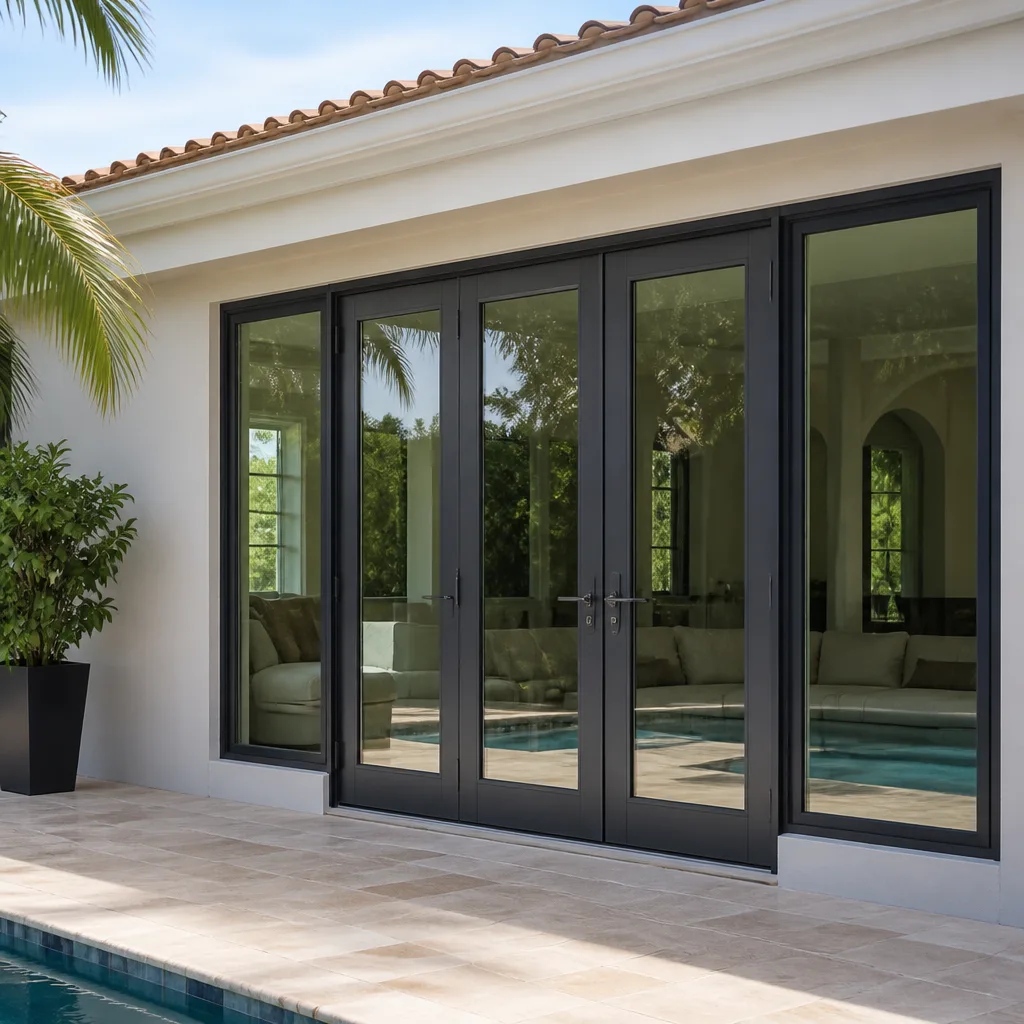
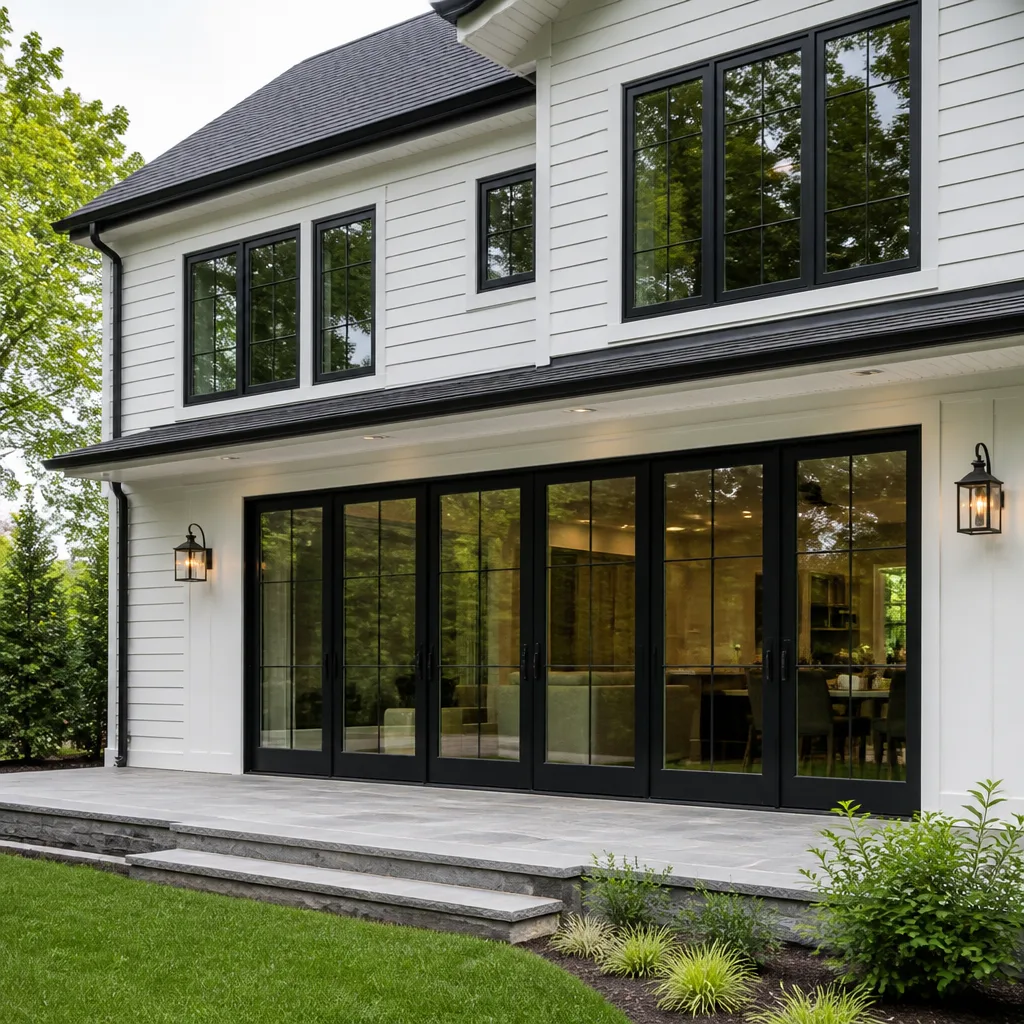
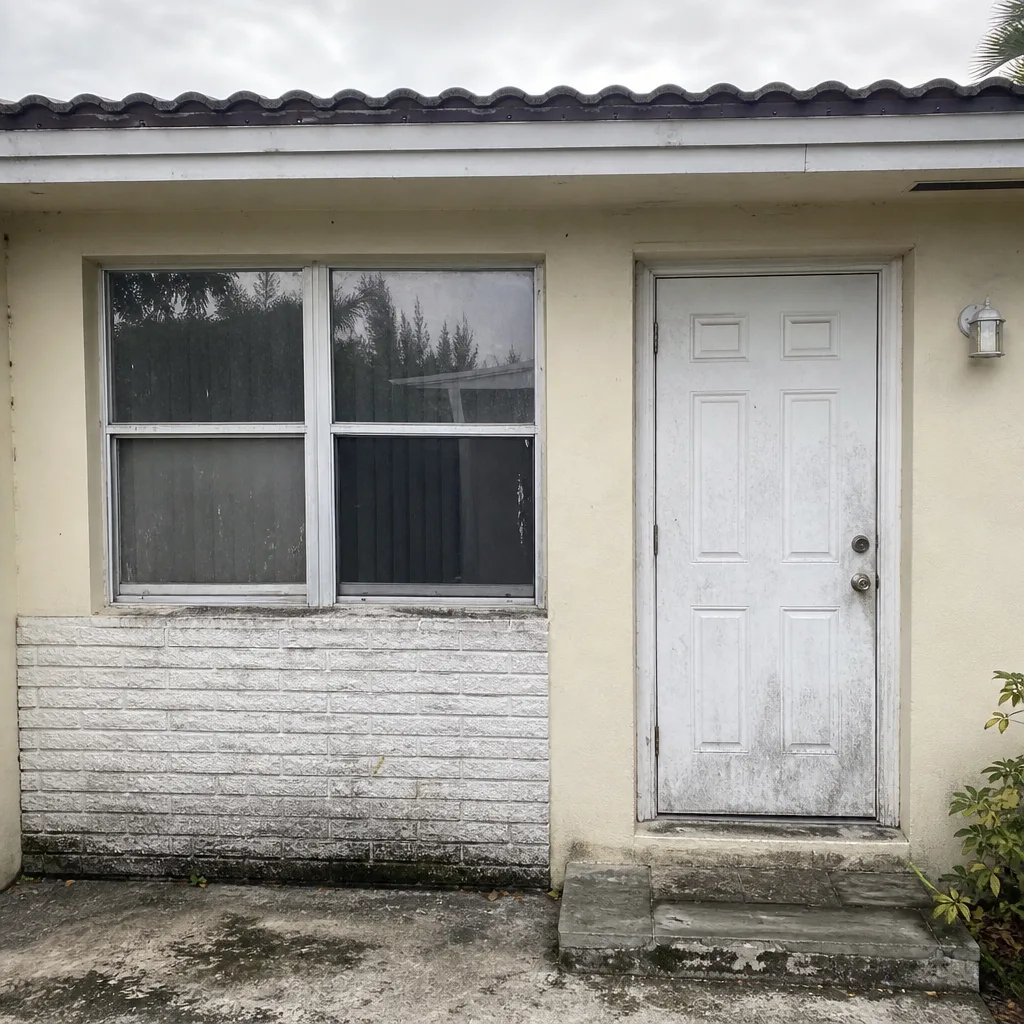 Before
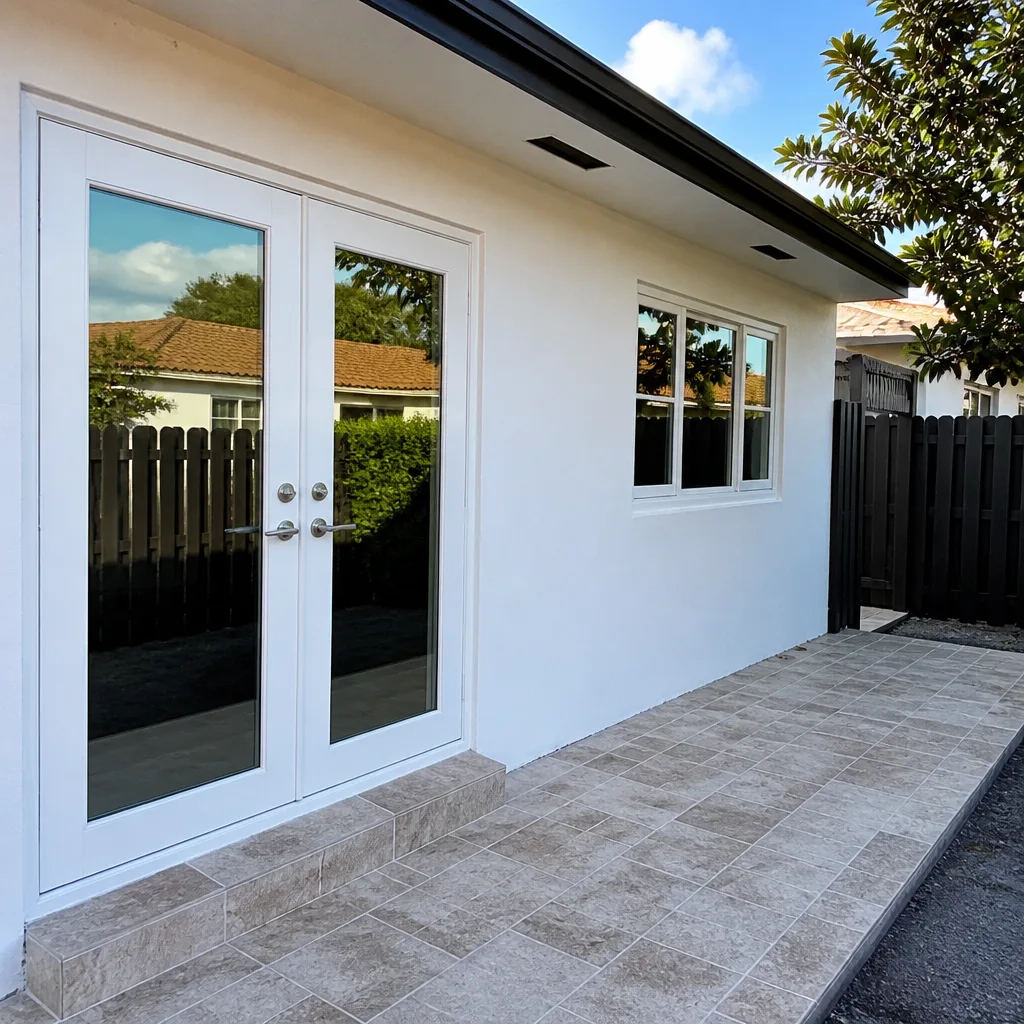 After
After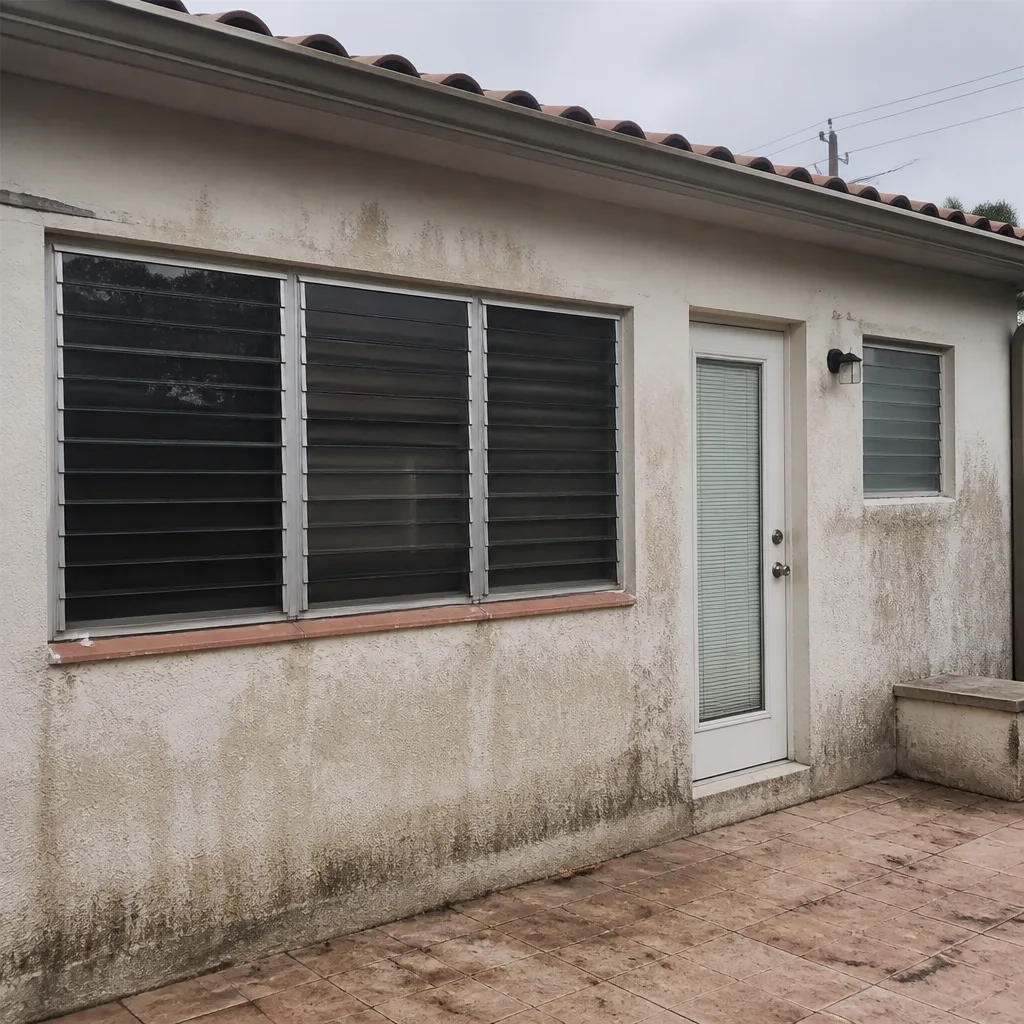 Before
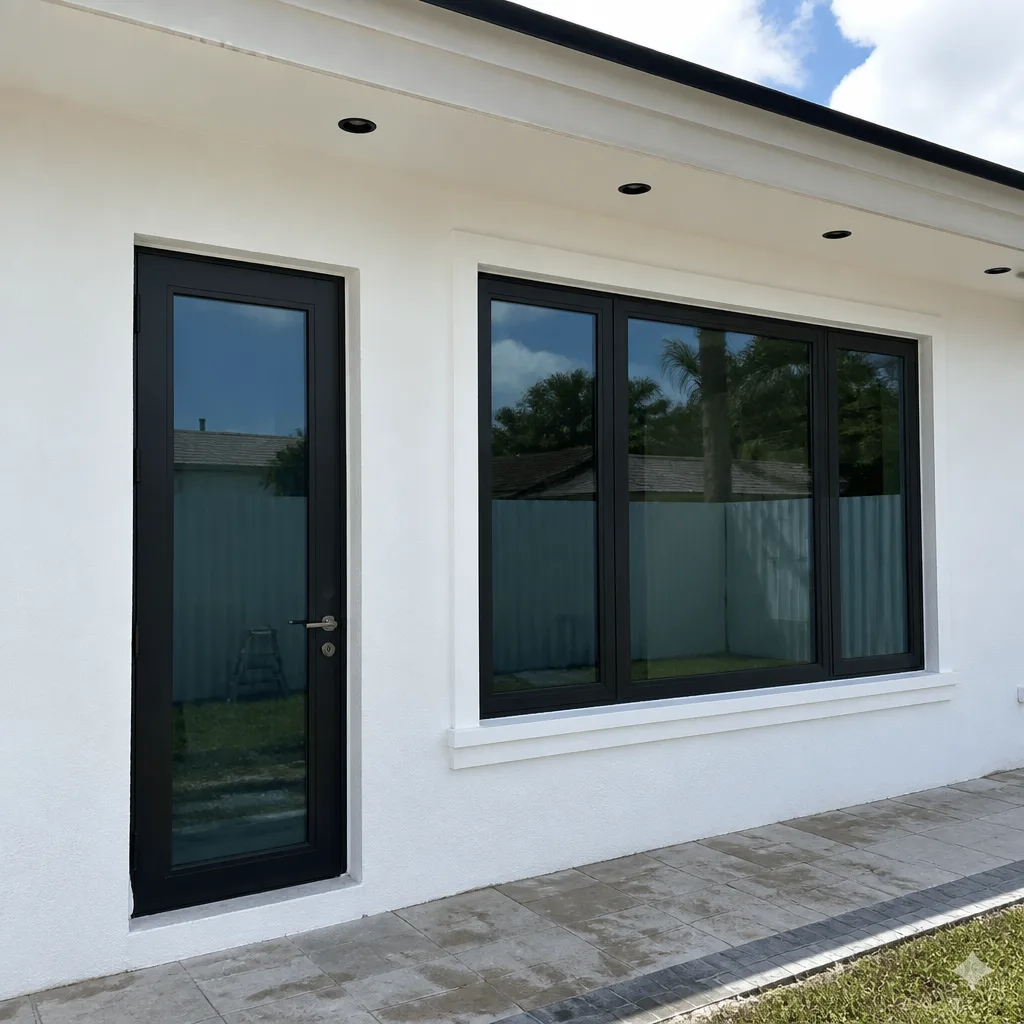 After
After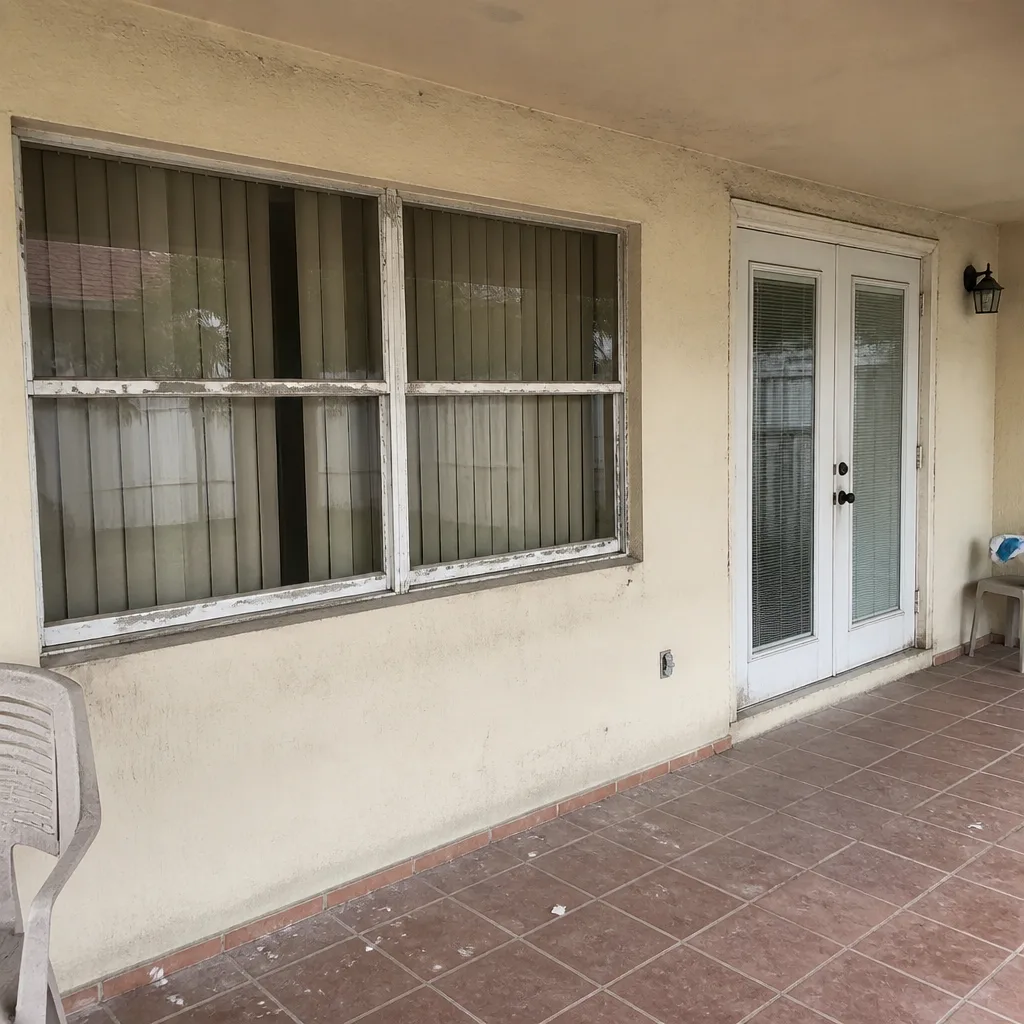 Before
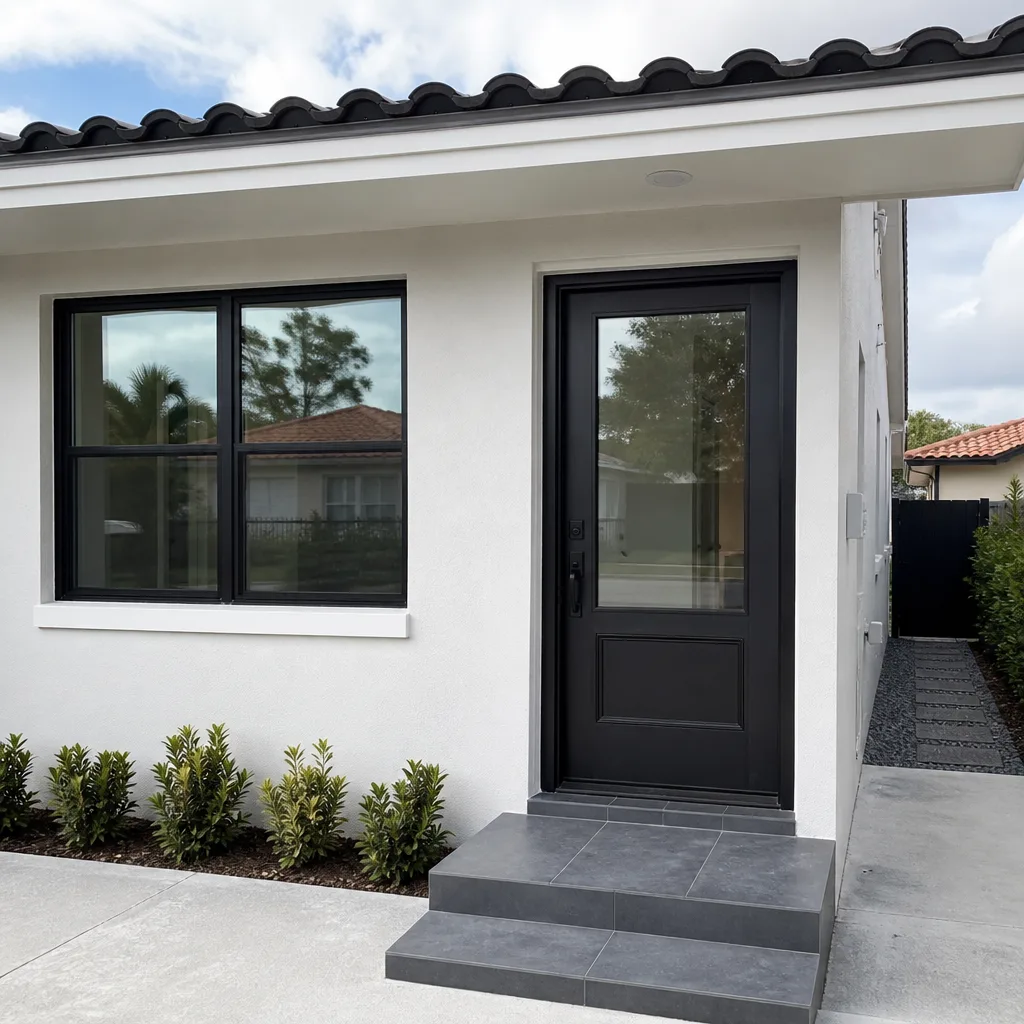 After
AfterHow to Hire a Windows & Doors Contractor in Hialeah: A Step-by-Step Guide
After Hurricane Irma tore through South Florida, the Florida Department of Business and Professional Regulation logged a 340% spike in unlicensed contractor complaints across Miami-Dade County. The most common thread in those complaints? Victims said the contractor “seemed legitimate” and had a professional-looking website. Hiring a windows and doors contractor in Hialeah isn’t about finding the lowest bid. It’s about filtering out operators who vanish after the deposit clears, leave permits unclosed, and install products that fail the first time a tropical storm tests them. This guide walks you through the exact steps, the specific government databases to check, and the contract language that separates accountable local companies from the flood of opportunists who appear after every storm season. For more guides & resources, explore our blog.
Quick Answer
To hire a windows and doors contractor in Hialeah, verify their Florida DBPR license and Miami-Dade County competency card online, confirm they carry general liability and workers’ compensation insurance, demand a written contract that assigns permit-pull responsibility and inspection attendance to the contractor, and never pay more than a deposit before permits are issued. The entire verification process takes under an hour if you know exactly where to look, and it eliminates the vast majority of bad actors before they ever set foot on your property.
Table of Contents
- Step 1: Verify the Florida State License (Under 5 Minutes)
- Step 2: Confirm the Miami-Dade County Competency Card
- Step 3: Verify Insurance Before Anyone Touches Your Home
- Step 4: Require a Physical Site Measure Before Accepting Any Quote
- Step 5: Demand the Miami-Dade NOA Number for Every Product
- Step 6: The Three Contract Clauses That Protect You
- Step 7: Structure a Payment Schedule That Keeps You in Control
- Common Mistakes to Avoid
- When to Call a Professional
- Frequently Asked Questions
- The Bottom Line
Step 1: Verify the Florida State License (Under 5 Minutes)
Every legitimate windows and doors contractor in Hialeah must hold an active Florida DBPR license. This isn’t optional, and “I’m working on getting it” is a disqualifying answer. The good news is that verification takes less than five minutes and costs nothing.
Here’s the exact path:
- Go to myfloridalicense.com - this is the official DBPR portal, not a third-party directory.
- Click “Verify a License” at the top of the page.
- Select “Search by Name” or enter the license number directly if the contractor provided it.
- Look for the license type: Certified Building Contractor (CBC), Certified Residential Contractor (CRC), or Certified Specialty Contractor.
- Confirm the status reads “Active” and the license hasn’t been delinquent or revoked.
While you’re on the DBPR portal, check the complaint history tab. A clean record is expected. A single justified complaint about abandoned work or permit violations should give you pause. Multiple complaints are a hard no. In Hialeah, where a contractor might also do roofing, siding, or garage doors, make sure the license scope actually covers windows and doors installation - a specialty license for drywall doesn’t authorize structural window work. The DBPR records every classification, so there’s no ambiguity.
One more thing: if a contractor advertises in Hialeah but lists an address in another county, ask why. The licensing is statewide, but local accountability matters when you need someone to come back. A published address in the region is a signal that the company intends to remain reachable. Our company, Winslow Windows & Doors home, publishes our address and license number on every page of our site. You shouldn’t have to dig for it.
Step 2: Confirm the Miami-Dade County Competency Card
Here’s what most generic “how to hire a contractor” guides miss: in Miami-Dade County, a Florida state license is not enough. Contractors performing structural work - including window and door installation - must also hold a Miami-Dade County Certificate of Competency or be registered with the county’s Construction Trades Qualifying Board. This is a separate credential with its own testing and renewal requirements, and it exists because Miami-Dade’s building code is stricter than the state baseline. Fenestration products - that’s windows and doors - face wind-load requirements here that don’t apply in Orlando or Tampa.
To verify a competency card:
- Visit the Miami-Dade County Building Department website and search the contractor licensing portal.
- Enter the contractor’s name or state license number - the county cross-references DBPR licenses with local competency cards.
- Confirm the card is active and matches the contractor’s name exactly, including any DBAs or corporate entities they do business under.
Why does this matter in Hialeah specifically? Because Hialeah’s housing stock is older and denser than much of Miami-Dade. Many homes date from the 1950s through the 1970s, and retrofitting Impact Windows in Hialeah into those openings requires navigating county product approval specifics that a state-only contractor may never have encountered. A contractor who has done the work in Hialeah will be able to tell you exactly which NOAs apply to the common opening sizes in Palm Springs, Miami Lakes, and the older sections of Hialeah proper. A contractor who has never pulled a Hialeah permit may not even know the county competency card exists. That’s precisely the person you don’t want cutting a hole in your exterior wall.
Step 3: Verify Insurance Before Anyone Touches Your Home
Licensing proves a contractor is allowed to work. Insurance proves they can pay if something goes wrong. In South Florida, where a single dropped pane or water intrusion claim can run five figures, you want both.
Ask for a Certificate of Insurance directly from the contractor’s insurance provider, not a photocopy the contractor hands you. The certificate should list:
- General liability coverage - minimum $1 million, and for window and door work in Hialeah where multi-story structures are common, $2 million is not unreasonable to request.
- Workers’ compensation insurance - Florida law requires it for any contractor with employees. If a worker gets hurt on your property and the contractor doesn’t carry workers’ comp, you could be named in the claim.
- Your name and address listed as the certificate holder - this ensures the insurance company notifies you directly if the policy lapses mid-project.
Recent storm seasons have shown what happens when homeowners skip this step. Uninsured crews flood into Hialeah after every hurricane, undercut legitimate contractors by 30% or more, and leave homeowners holding the bag when a subcontractor falls off a ladder or a window unit leaks through the stucco. The savings evaporate in legal fees. We hear these stories every year. A legitimate Hialeah contractor will produce a current certificate within 24 hours of being asked. Anyone who stalls, deflects, or says “don’t worry about it” is telling you everything you need to know.
Step 4: Require a Physical Site Measure Before Accepting Any Quote
In Hialeah, there are neighborhoods where no two houses are the same. Original 1950s bungalows sit next to 1980s concrete additions next to 2020s rebuilds. Window openings that were “standard size” seventy years ago are rarely standard anymore - they’ve been modified, boarded, resized, and retrofitted through decades of storms and renovations. A contractor who quotes you based on Google Earth imagery or rough square footage is not doing the job correctly.
A legitimate quote for Window Replacement in Hialeah requires a physical site measure. The contractor should:
- Measure every opening individually - width, height, and depth.
- Inspect the existing frame and header condition, especially in older Hialeah homes where water damage may be hiding behind the stucco.
- Check for plumb and square - an eighth-inch out of square matters more than a quarter-inch in total size.
- Note the wall construction type: wood frame, CMU block, or a mix (common in Hialeah additions).
The site measure takes 30 to 60 minutes depending on window count. It’s the only way a contractor can properly size impact products for Miami-Dade wind-load requirements and confirm the correct anchoring method. If someone emails you a quote without stepping foot in your home - or worse, gives you a number over the phone - that’s a red flag specific to this market. South Florida is not a place for eyeballed measurements. A quote without a site measure is a guess, and you don’t want a guess bolted into your exterior wall when the next hurricane makes landfall.
Step 5: Demand the Miami-Dade NOA Number for Every Product
This is the test that separates the professionals from the pretenders. Every impact window and exterior door installed in Miami-Dade County must carry a Notice of Acceptance from the county’s Product Control Division. The NOA is a specific document number that certifies the product passed Miami-Dade’s testing standards for wind load, water infiltration, and impact resistance. Without a valid NOA, your installation will not pass inspection, and your insurance company may reject any future claim involving that opening.
When a contractor presents a product - say a PGT impact model or a CGI sliding glass door - ask: “What’s the NOA number for this specific product, and can you show me the current approval?”
A qualified Hialeah contractor will rattle off product codes they install regularly and offer to pull the NOA document from the county Product Control database. They’ll know which NOAs apply to different product families, and they’ll confirm the NOA is current, not expired or superseded. This matters because we’ve seen contractors sell homeowners products that were approved six years ago and had their NOAs revised or withdrawn since. The product might be sitting in a warehouse, no longer compliant with current code, and the only person who loses when the inspection fails is you.
As an authorized installer for brands like PGT and CGI, we carry the NOA documentation for every product we quote. But the principle extends to any contractor: if they can’t name the NOA, they don’t understand Miami-Dade compliance, and you should not sign a contract with them for work in Hialeah.
Step 6: The Three Contract Clauses That Protect You
After you’ve verified the license, the competency card, the insurance, and the product approvals, the next filter is the contract itself. Three clauses in particular reveal whether a contractor expects to stand behind the job or disappear once the check clears.
Clause 1: Permit-Pull Responsibility
The contract should state, in writing, that the contractor is responsible for pulling all necessary permits - building, product approval, and any Hialeah-specific permits. If the language says “owner responsible for permits” or is silent on the matter, walk away. A contractor who asks you to pull your own permit is either not properly licensed in Miami-Dade or trying to distance themselves from the inspection process. Neither is acceptable. When permits are properly pulled and closed, you have a permanent record that the work was done to code, which matters when you sell the home or file an insurance claim.
Clause 2: Inspection Attendance Commitment
The contract should commit the contractor to be present for all required inspections. In Hialeah, a window or door replacement typically requires at least one rough opening inspection and one final inspection, depending on scope. Some jobs require a product approval inspection as well. If the contractor misses an inspection, the permit stalls, and the open permit becomes a lien-like cloud on your property records. The clause doesn’t need lengthy legal language - a sentence like “Contractor agrees to be present for all building inspections required in connection with this project” is sufficient and enforceable.
Clause 3: Post-Install Callback Window
This is the clause that separates accountable local contractors from fly-by-night operators. It should specify a post-installation callback period - a defined number of days during which the contractor will return to address any issues at no charge. In Hialeah, where the first heavy rain after an install can be a test unlike anything anticipated, the callback window is your safety net. We include it as standard. If a contractor refuses to put a callback window in writing, ask yourself why they’re afraid of returning to their own work.
Step 7: Structure a Payment Schedule That Keeps You in Control
Payment terms tell you almost everything about a contractor’s intentions. A fly-by-night operator wants as much money as possible before doing any work. A legitimate Hialeah contractor structures payments around milestones that correspond to verifiable progress.
Here’s the schedule you should demand:
- Deposit at contract signing: 25% to 35%, never more, and never before the permit is applied for. A contractor asking for 50% or more upfront is either undercapitalized or planning something unpleasant.
- Payment at material delivery: 30% to 40%, only after the windows and doors are physically on your property and you’ve verified they match the contract specs.
- Payment at substantial completion: 20% to 30%, after the work passes inspection but before final touch-ups.
- Final payment: The remaining 5% to 10%, due only after the permit is closed, the inspection is signed off, and you’ve walked the job with the contractor and noted any remaining items.
Never pay cash. Cash payments leave no paper trail, and in a market like South Florida where unlicensed operators specifically request cash to avoid documentation, a cash-only deposit request is a disqualifying red flag. Pay by check, credit card, or bank transfer - anything that creates a record.
Our policy at Winslow Windows & Doors has always been simple: a deposit to secure the job and order materials, never more than what’s needed to get permits issued. The final payment isn’t due until you’re satisfied and the county has closed the permit. That’s the standard any Hialeah homeowner should demand from any contractor, regardless of who does the work.
Common Mistakes to Avoid
- Getting only one quote and treating it as the market price. Hialeah pricing varies widely, and a single bid tells you nothing about whether you’re getting a fair deal. Get three written quotes from properly vetted contractors, and compare them line by line, not just at the bottom line.
- Hiring the first contractor who answers the phone after a storm. Post-storm, the worst operators flood the market precisely because demand spikes and homeowners are desperate. Pre-vet a contractor before you need them, and store their number for the day you do.
- Accepting a quote without a physical site measure. We covered this in Step 4, but it bears repeating: an email quote without a site visit is a guess, and a guess on a Hialeah home built in 1962 is usually wrong by thousands of dollars.
- Signing a contract that doesn’t specify product by name and NOA number. If the contract says “impact windows” without naming the manufacturer, the model, and the Miami-Dade NOA, the contractor can install whatever is cheapest in the warehouse that week. You’re buying a specific product, not a vague concept.
- Paying a large deposit before the permit is applied for. A contractor who asks for 50% before they’ve even submitted the permit application is borrowing your money to do the job. You’re not a bank.
- Assuming a national brand name means a vetted installer. National chains often subcontract to local crews, and the quality of those crews varies enormously. Verify the company actually doing the work, not just the brand on the invoice.
- Skipping the callback clause because the contract “looks standard.” There is no standard contract in Florida construction. Every clause is negotiable, and the absence of a post-install callback window is a signal that the contractor doesn’t intend to come back. Ever.
When to Call a Professional
Some situations aren’t DIY territory - and not just because of the skill involved. Any structural opening work carries the risk of water intrusion that you won’t notice until the first heavy storm, and in Hialeah, that’s not a hypothetical. Regular upkeep helps avoid these scenarios; see our Impact Windows Maintenance Checklist for Hialeah Homeowners. The first rain after a bad window install can soak into your framing, and by the time the stain appears on the inside wall, you’re dealing with mold remediation and structural repair, not a caulk touch-up. You should call a professional for any project involving load-bearing openings, any time the existing framing shows signs of water damage or termite activity, any time the job requires a permit (which is nearly all window and door work), and any time you’re buying impact-rated products that must meet Miami-Dade approval. Trying to install impact windows yourself, or hiring a handyman without the proper competency card, is the most expensive way to learn what a failed installation costs. Winslow Windows & Doors offers free estimates in Hialeah - call (850) 998-3090 and Ed or one of our team members will schedule a site visit at your convenience.
Frequently Asked Questions
Window installation in Hialeah typically costs $500 to $1,500 per opening for standard retrofit work, while full-frame replacement runs $1,000 to $2,500 per window depending on size, product grade, and framing condition. For a deeper dive, see our Windows & Doors Cost Breakdown: The Hialeah Homeowner’s Reference for 2026. Impact-rated windows from manufacturers like PGT, CGI, or ViewLux generally start around $800 to $1,800 per opening. Door installation ranges from $800 for a standard exterior door to $3,000 to $8,000 for premium Therma-Tru entry systems or sliding glass doors. Call (850) 998-3090 for an exact quote - estimates are free.
A standard whole-house window replacement in Hialeah typically takes 2 to 5 days of on-site labor, depending on window count, house size, and whether any framing repairs are needed. For year-round protection tips, check our Seasonal Windows & Doors Care for Hialeah: Year-Round Homeowner’s Guide. The permitting process adds 1 to 3 weeks on the front end, and product lead times for custom or impact-rated windows can extend the project another 4 to 8 weeks. We’ll give you a realistic timeline in writing before you sign anything. Call (850) 998-3090 for a project-specific estimate.
Yes, Hialeah requires permits for window and exterior door replacement, and the work must be signed off by a Miami-Dade County building inspector. If a contractor tells you a permit isn’t necessary for structural window work, they are either misinformed or intentionally avoiding the inspection process. Neither possibility is a good sign.
Impact windows are permanently installed, always-on protection that requires no action from you when a storm approaches, while hurricane shutters must be deployed, often in wind and rain, and provide no protection when you’re away from home. Impact windows like those from PGT and CGI are engineered to meet Miami-Dade’s testing standards and carry NOA product approvals; shutters meet a different standard. Insurance discounts are available for both, but impact windows are the only solution that protects your home when nobody is there to close the shutters.
Go to myfloridalicense.com, click “Verify a License,” and search the contractor’s name or license number. The DBPR portal shows license type, status, and any disciplinary history. Then check the Miami-Dade County contractor licensing portal to confirm the county competency card is active and in good standing. We’ve covered the exact steps earlier in this guide.
It shouldn’t, and a properly written contract with fixed pricing and a defined scope will prevent it. The only legitimate reason for a change order is an unforeseen condition - hidden water damage, termite-damaged framing, or code issues that can’t be seen until demolition begins. Our contracts specify fixed pricing for the scoped work and we document any change in writing before proceeding. Never accept verbal promises about price adjustments. Call (850) 998-3090 to see what a transparent Hialeah quote looks like.
Yes, we pull every permit, coordinate every Miami-Dade inspection, and stay on the job until the permit is closed and the final inspection is signed off. It’s written into our contract and it’s the standard we believe every Hialeah homeowner should demand from any contractor, including us. Schedule a free estimate at (850) 998-3090 and we’ll show you exactly how the permitting process works for your specific project.
The Bottom Line
Hiring a windows and doors contractor in Hialeah is a filtering exercise. Five minutes on the DBPR website eliminates the unlicensed. A county competency card check eliminates the out-of-market opportunists. An insurance certificate check eliminates the underinsured. A physical site measure eliminates the guessers. An NOA request eliminates the product-ignorant. And a contract with permit responsibility, inspection attendance, and a callback window eliminates everyone who never planned to stand behind the work. Do those six things - in that order - and you won’t need to worry about finding “the best” contractor. You’ll have already eliminated everyone who isn’t qualified to be considered. For Window Installation in Hialeah that meets every standard in this guide, call Winslow Windows & Doors at (850) 998-3090. Ed’s name is on the door - and on every job we do. The one down the road.
Written by Ed Winslow, Owner at Winslow Windows & Doors, serving Hialeah since 2011.
Six Reasons Homeowners Choose Winslow Windows & Doors
Impact systems engineered to design pressures up to +/-100, matched to your wind zone - your openings hold when the storm arrives.
Low-E insulated impact glass from our manufacturer lines commonly cuts monthly cooling bills 20-30%.
Laminated impact glass shuts out up to 40% of outside noise - traffic, neighbors, weather.
Monitoring services run $30-90 a month. Laminated impact glass resists forced entry around the clock, with no subscription.
Florida homeowners average around 25% savings on the windstorm portion of their policy after protecting every opening - some homes qualify for more.
A full impact package upgrades curb appeal, buyer confidence and appraised value in one project.