
Last updated August 27, 2026
Free in-home measure and quote - PGT, CGI and CWS impact lines compared on your actual openings, style by style
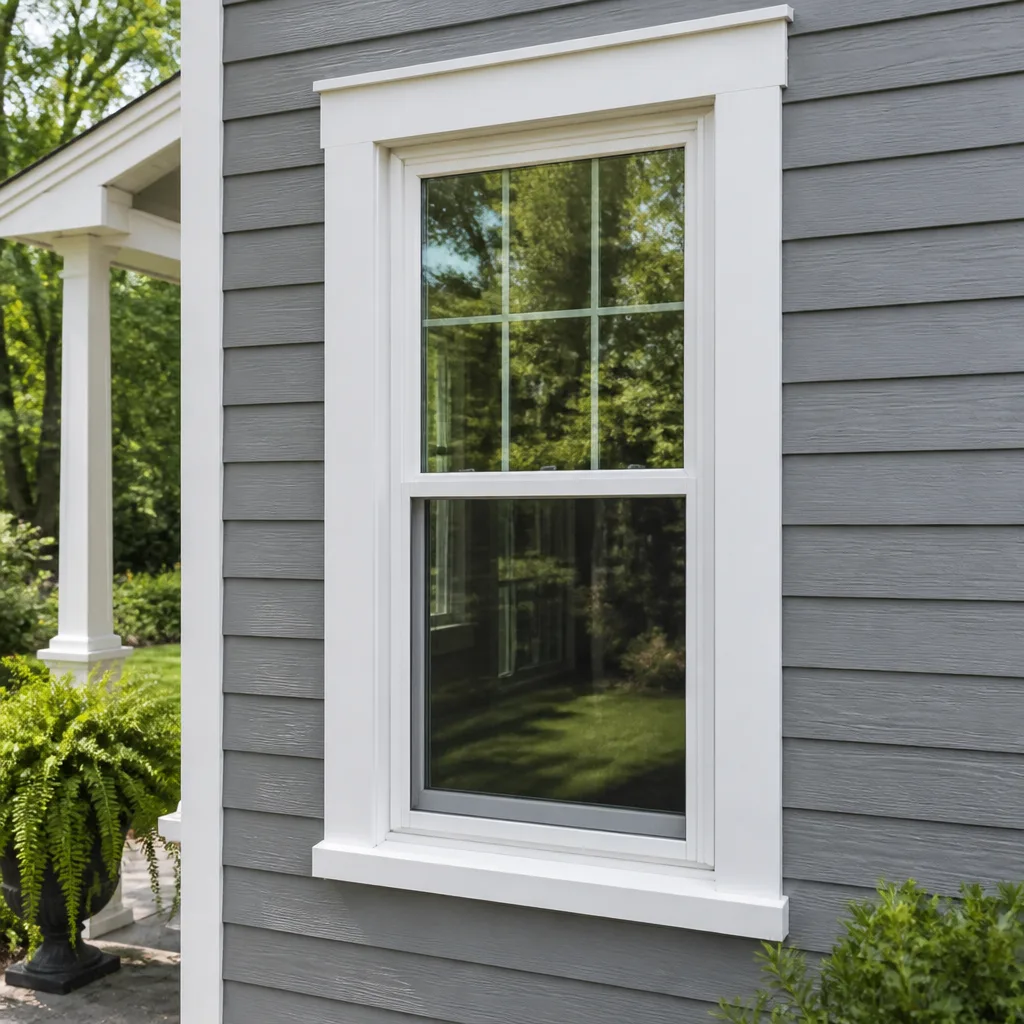
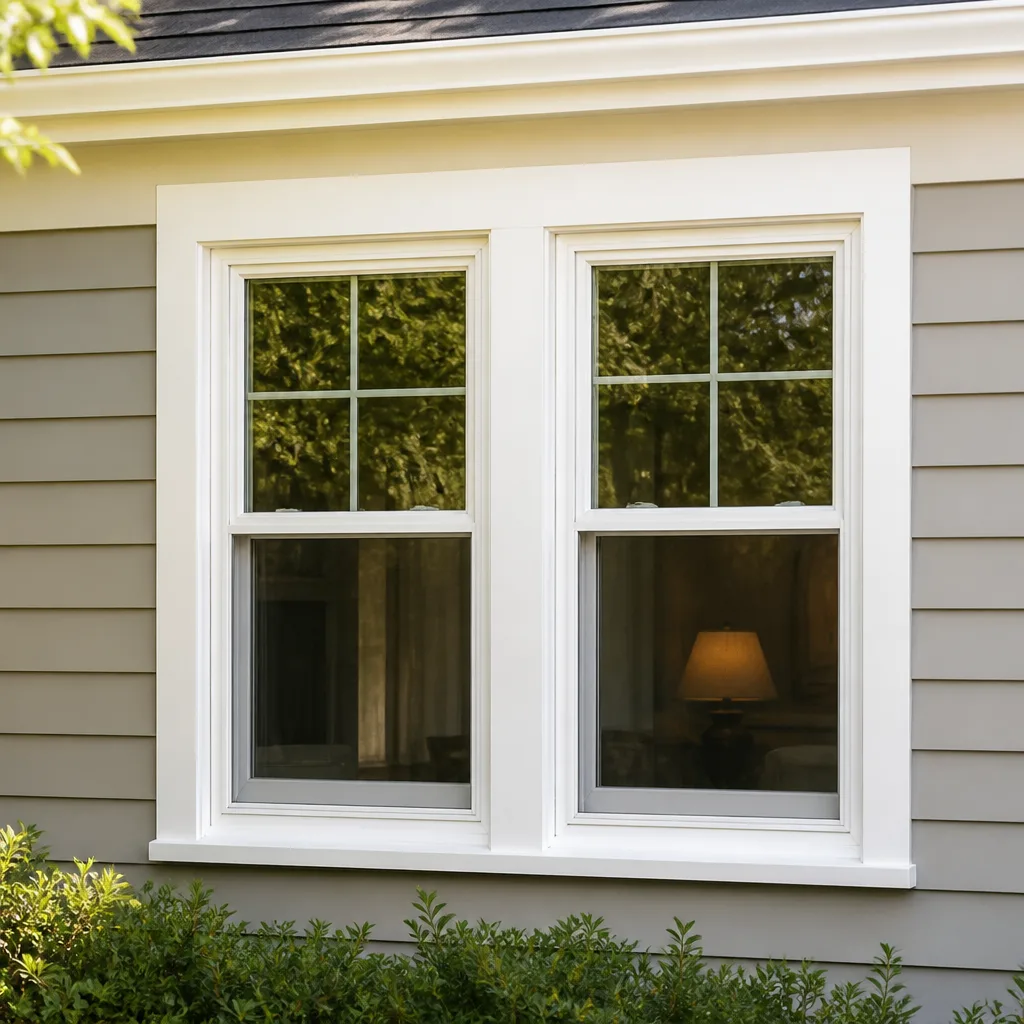
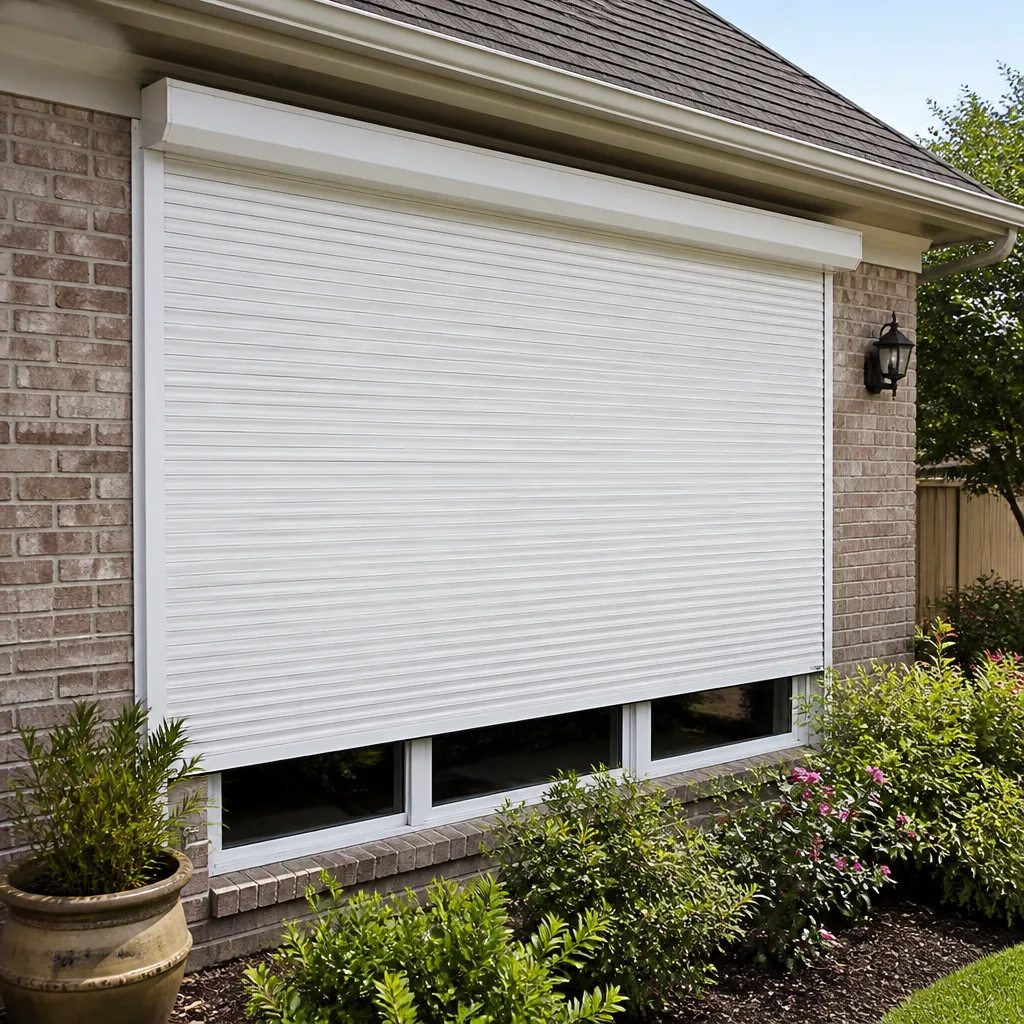
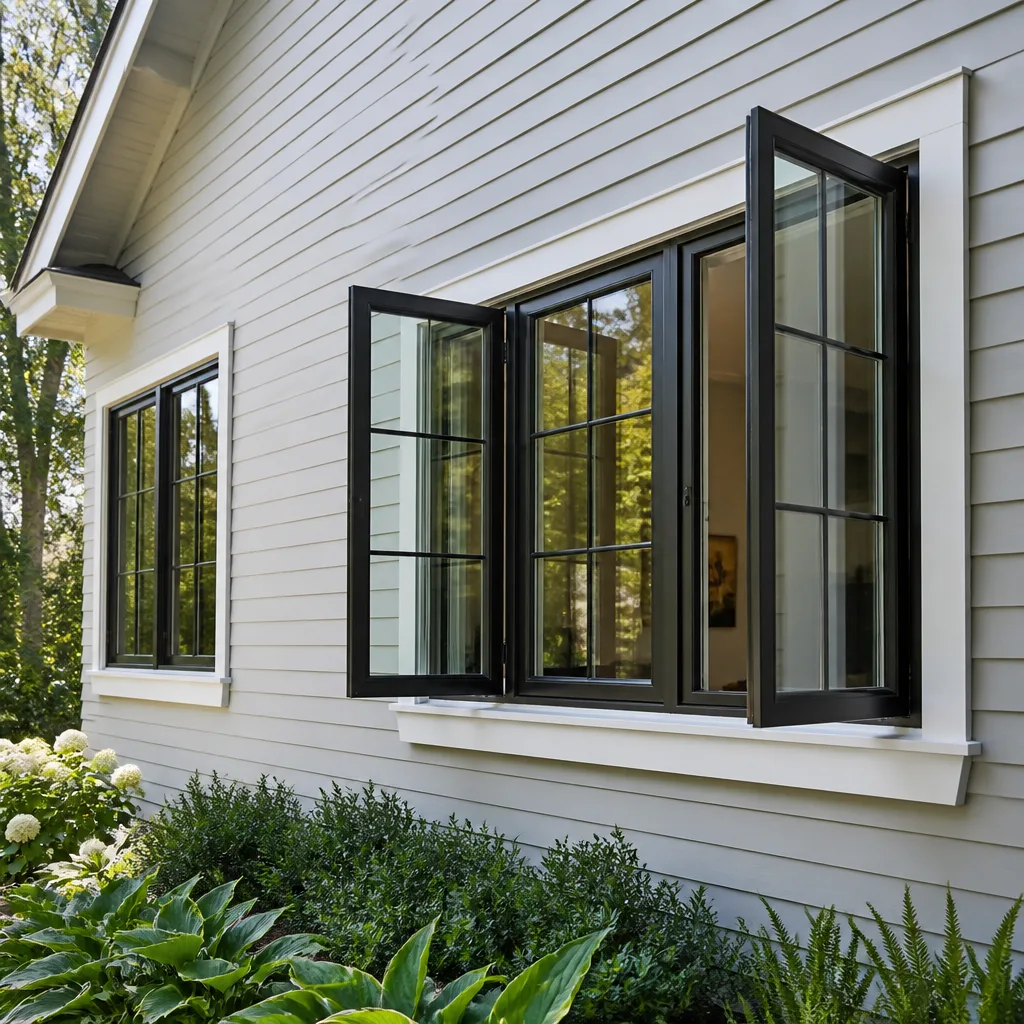
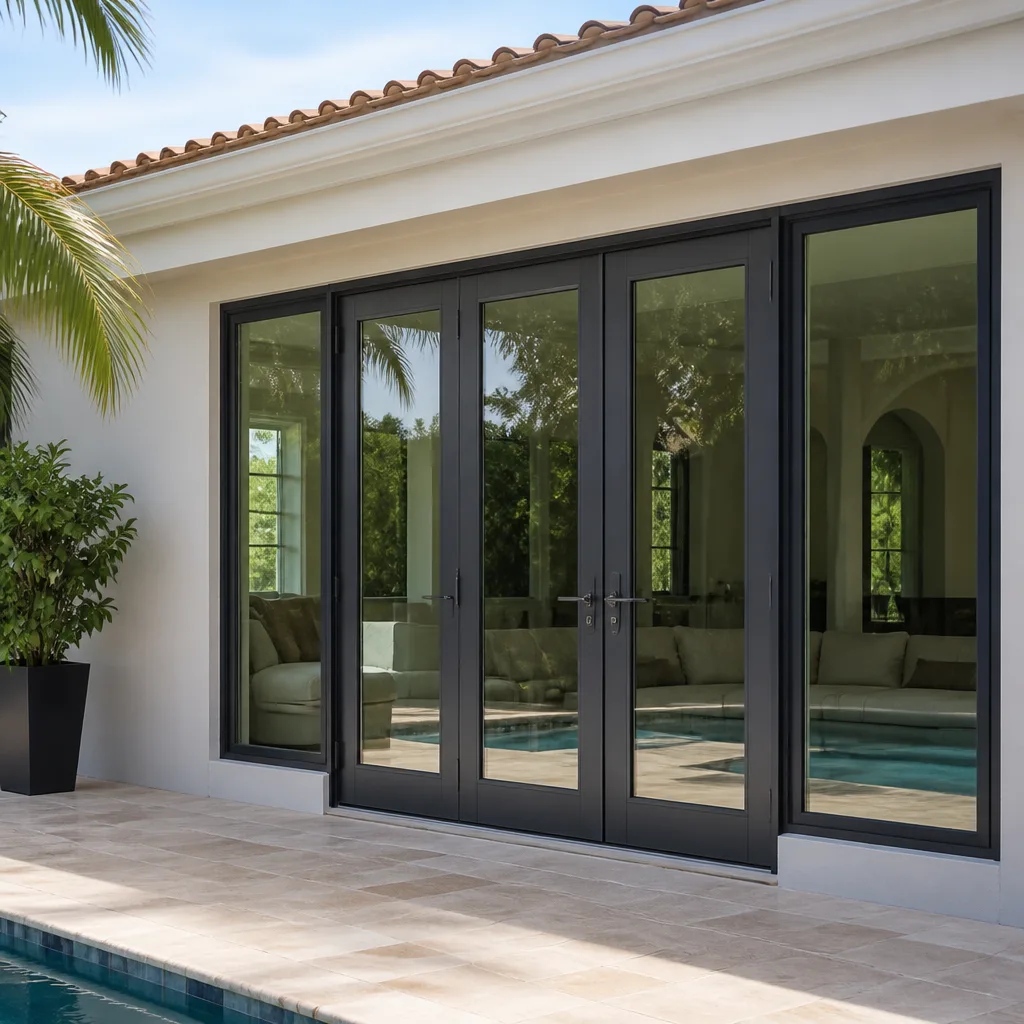
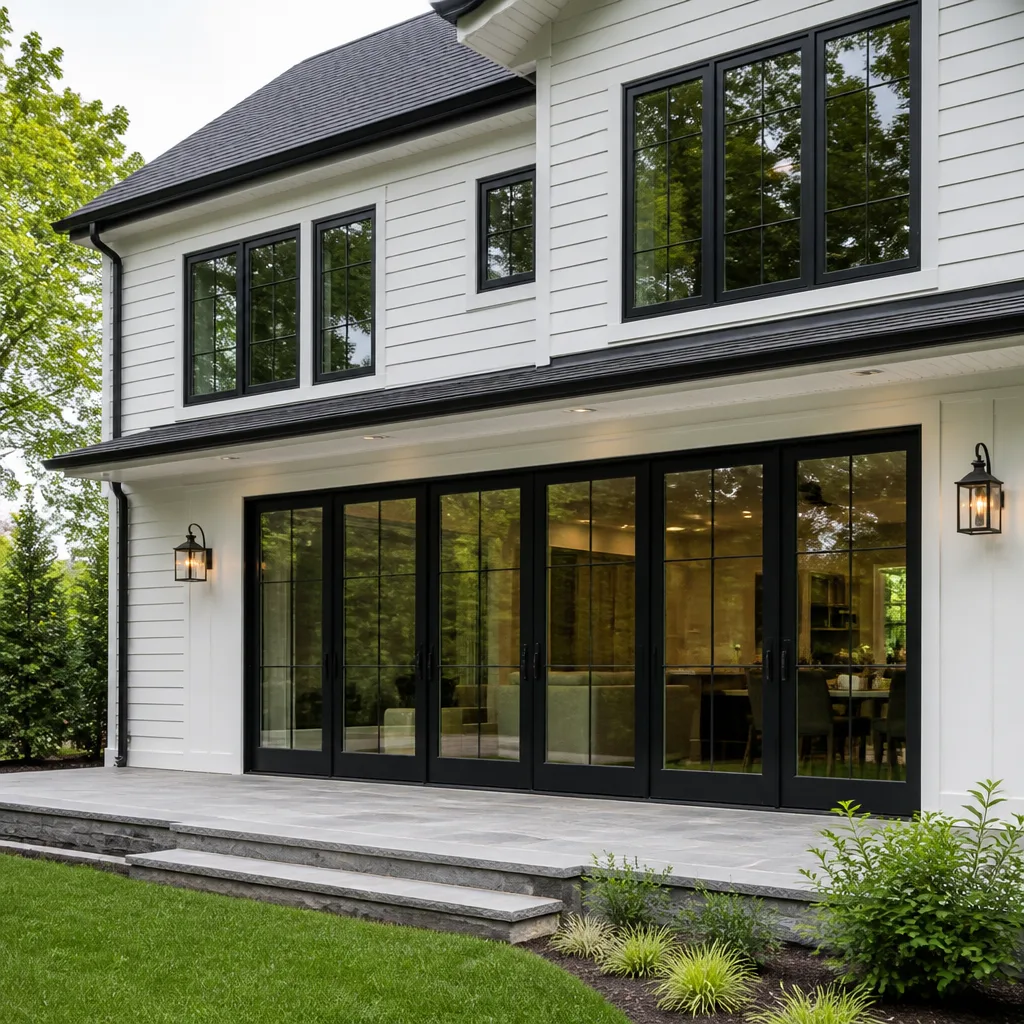
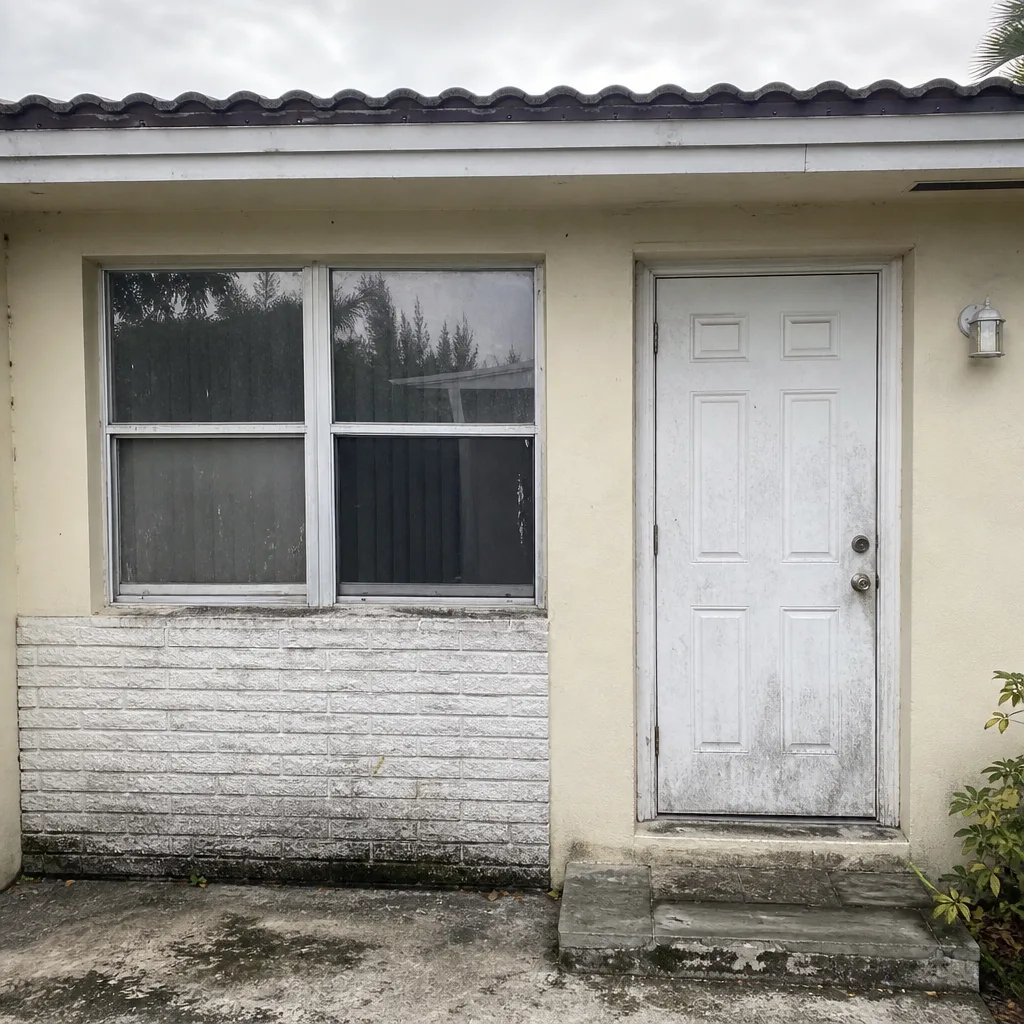 Before
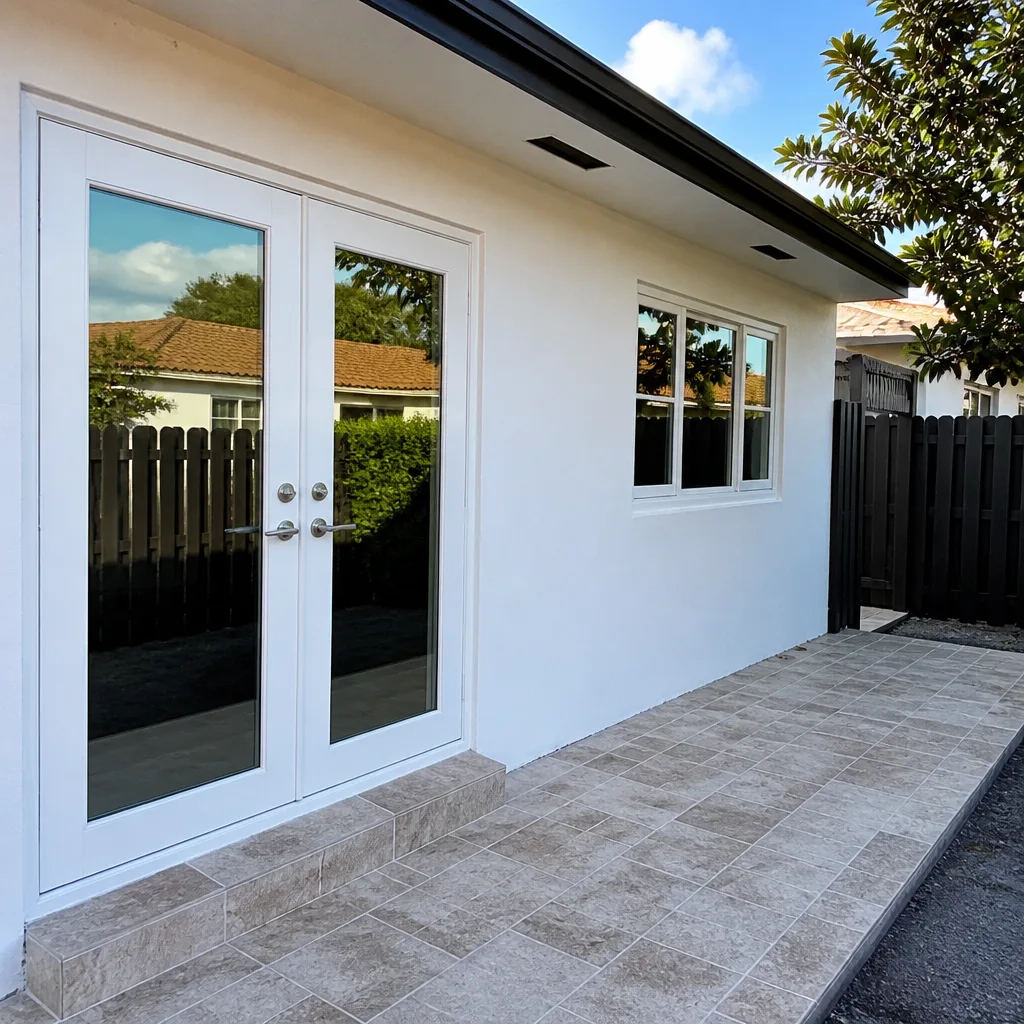 After
After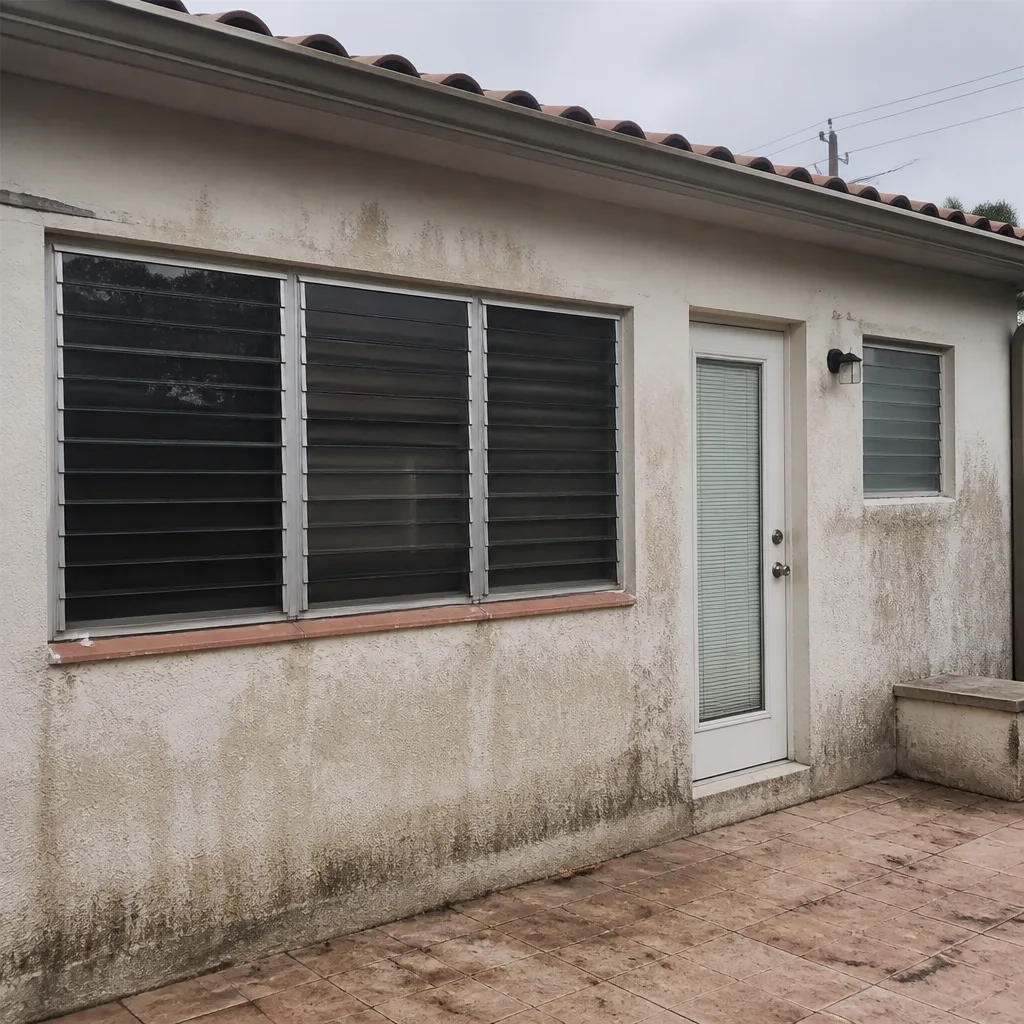 Before
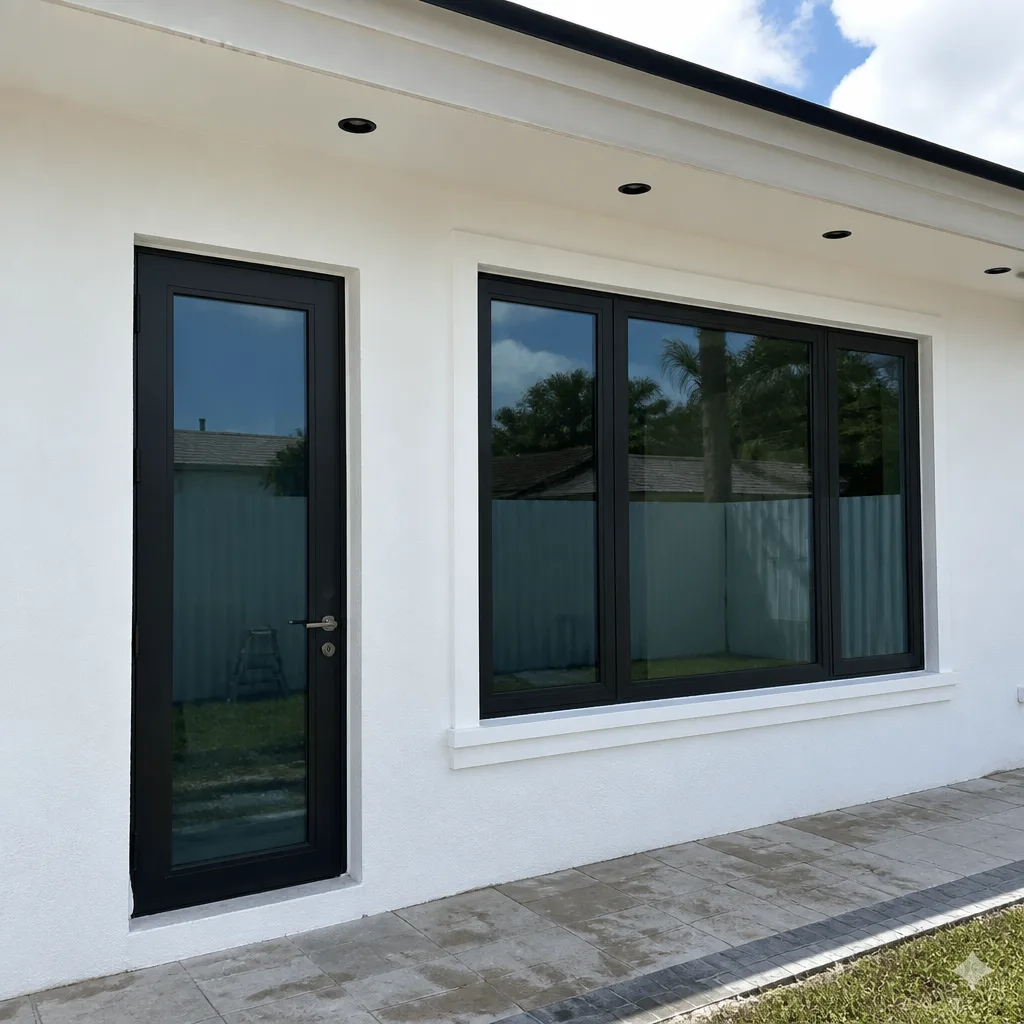 After
After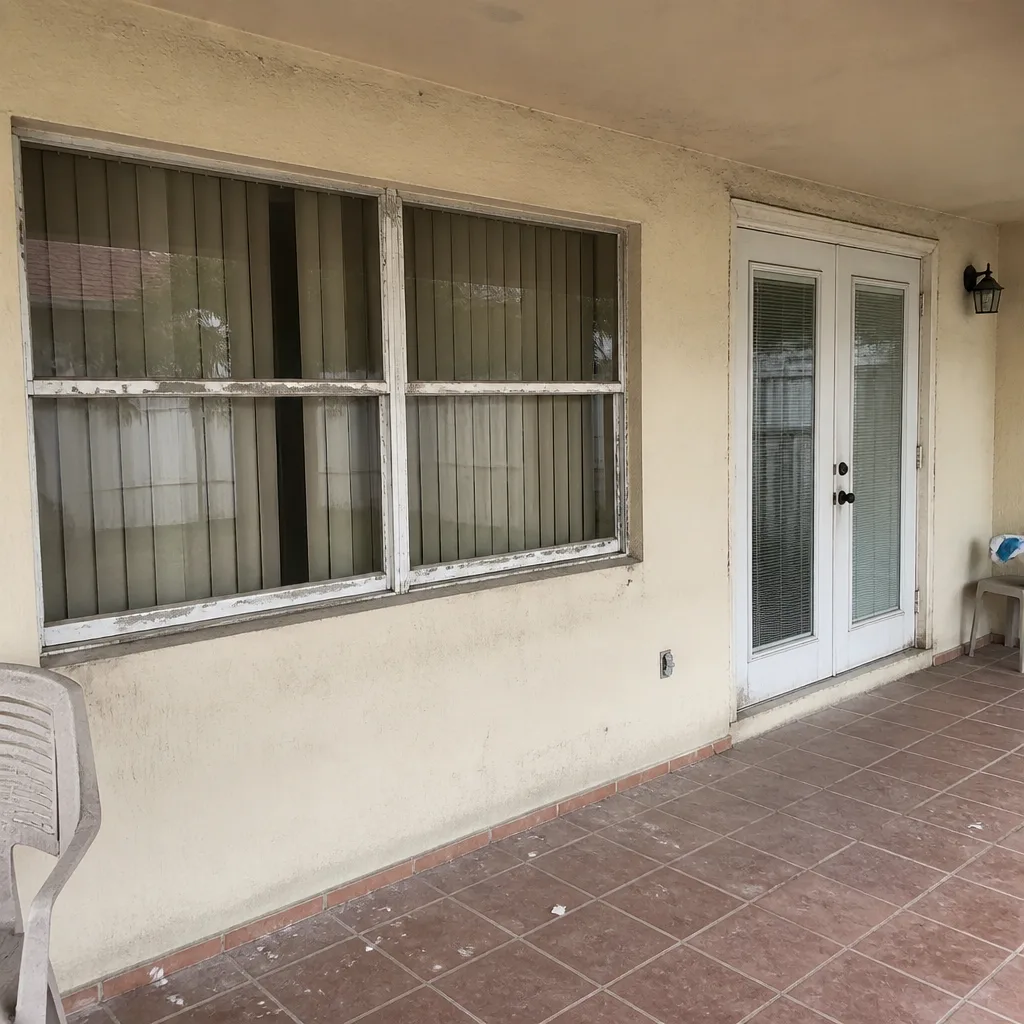 Before
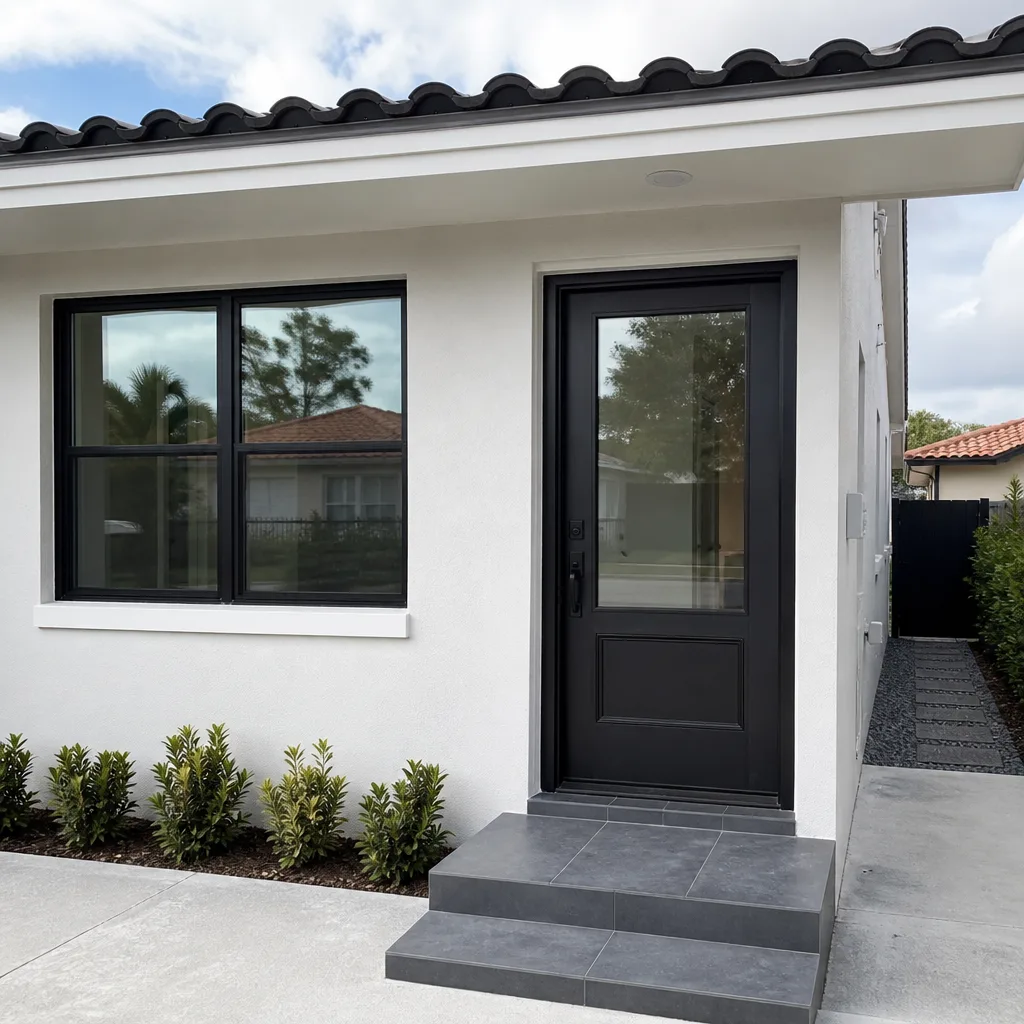 After
AfterThe Complete Guide to Windows & Doors in Hialeah
Here’s something most national buying guides won’t tell you: Miami-Dade County maintains its own product approval list that goes far beyond the Florida Building Code. A window that sails through inspection in Orlando, Tampa, or Jacksonville can be rejected outright in Hialeah. It happens every month. Homeowners spend thousands on a product a website said was “hurricane-rated,” only to discover it never received Miami-Dade NOA approval, and now the permit is dead in the water. This guide is written from Hialeah, for Hialeah. We’ll walk through the real rules, the real costs, and the specific choices that keep your windows and doors legal, efficient, and standing after the next storm.
Quick Answer
Windows and doors in Hialeah must meet Miami-Dade County’s separate NOA (Notice of Acceptance) product approval standard, not just the Florida Building Code. Budget $600 to $2,800 per opening for impact-rated windows and $1,500 to $6,000 for exterior doors, installed, with permit costs included. The safest route is to hire a local installer who verifies NOA approval before any product is ordered.
Table of Contents
- What Miami-Dade NOA Approval Actually Means (and Why Hialeah Is Different)
- How Hialeah’s Climate Picks Your Frame Material for You
- Impact-Rated vs. Hurricane-Rated vs. Storm-Resistant: Decoding the Labels
- What Windows and Doors Cost in Hialeah in 2026
- Choosing Doors in Hialeah: Entry, French, and Sliding Glass
- Getting Your Hialeah Permit: A Step-by-Step Walkthrough
- What Your Warranty Covers (and What It Quietly Doesn’t)
- Common Mistakes to Avoid
- When to Call a Professional
- Frequently Asked Questions
- The Bottom Line
What Miami-Dade NOA Approval Actually Means (and Why Hialeah Is Different)
Miami-Dade County is the only county in Florida that maintains its own product control system separate from the state’s Florida Product Approval process. The county’s Building Code Compliance Office tests and approves construction products under a stricter protocol, and the resulting document is called a Notice of Acceptance, or NOA. A product with a Florida Product Approval number may not have an NOA, and without an NOA, it cannot be legally installed on any residential structure in Hialeah. Period.
This is not a paperwork formality. NOA testing subjects windows and doors to higher wind pressures, more severe missile impact tests, and stricter water infiltration standards than the Florida Building Code baseline. In practical terms, a window rated for 140 mph winds in Fort Myers might need to meet 170 mph or more to earn an NOA for use in Hialeah, depending on the home’s wind zone and exposure category.
Before you buy anything, here’s how to verify an NOA:
- Find the window or door’s exact model number, not just the brand name. “PGT WinGuard” is not a model. “PGT WinGuard WN-7200” is.
- Visit the Miami-Dade Building Code Compliance Office product control search portal and enter the model number.
- Verify the NOA is active, not expired or revoked. NOAs expire and must be renewed.
- Check that the NOA’s approved pressure rating matches your home’s specific wind zone. Hialeah falls within the High Velocity Hurricane Zone (HVHZ), which requires the most stringent ratings.
- Print or save the NOA document. Your permit application will reference it by number.
A competent installer does this verification before a contract is signed. A less careful one does it after the windows arrive and prays. We’ve seen both, and the second one costs homeowners weeks of delay and thousands in restocking fees. If you’re considering impact windows in Hialeah, NOA verification should be step one, not step six.
How Hialeah’s Climate Picks Your Frame Material for You
Hialeah sits roughly five miles west of Biscayne Bay and is ringed by some of the busiest industrial corridors in Miami-Dade County, including the Hialeah Industrial District and the areas around the Palmetto Expressway and Okeechobee Road. That geography creates a double attack on window and door frames: salt-laden Atlantic air from the east, and airborne particulates, diesel soot, and chemical residue from the industrial zones to the south and north.
In our experience replacing windows across Hialeah since 2011, we see frame corrosion patterns that differ from coastal Dade County. Homes closer to the Bay deal primarily with salt pitting on aluminum. Homes over by Hialeah Gardens and along the canal corridors deal with a gritty mixture of salt and industrial dust that works its way into tracks, hinges, and weatherstripping. Neither is kind to cheap materials.
Here’s how the major frame materials hold up in Hialeah’s specific conditions:
- Aluminum: Strong and affordable, and the most common frame in older Hialeah homes built in the 1960s through 1980s. Bare or cheaply coated aluminum will pit and corrode within 5 to 8 years in Hialeah’s salt air. Anodized or marine-grade powder-coated aluminum holds up much better. If you’re matching an older home’s look and want durability, insist on a marine-grade finish.
- Vinyl: Resists salt corrosion completely, which is why it has grown popular in Hialeah over the last 15 years. However, Hialeah’s intense UV exposure and summer heat cycles can warp low-quality vinyl frames. Thicker, multi-chambered vinyl from reputable manufacturers holds its shape. Cheap builder-grade vinyl does not.
- Fiberglass: The best dimensional stability in heat and humidity, and completely immune to salt. Costs more upfront, but in our Hialeah replacement work, fiberglass frames show the least movement after a decade of summer expansion and winter contraction.
- Wood: We rarely recommend bare wood frames in Hialeah. The humidity invites rot, termites are an active threat in this market, and exterior maintenance is constant. Wood-clad windows with aluminum or vinyl exteriors are viable, but understand what you’re signing up for.
One more Hialeah-specific factor: the city’s older housing stock. A significant portion of Hialeah’s single-family homes were built before 1994, when reinforced concrete and impact glass standards were less common. If your home predates the current HVHZ code, your existing window openings may not be reinforced for impact-rated products, which can add cost to a window replacement in Hialeah. A proper installer will check the lintel and tie-down condition before quoting, not after demo starts.
Impact-Rated vs. Hurricane-Rated vs. Storm-Resistant: Decoding the Labels
This is where Hialeah homeowners get misled more than anywhere else. There are three terms that sound interchangeable and are not:
- Impact-rated: The window or door has passed large-missile impact testing (a 9-pound 2×4 fired at the glass at 34 mph, followed by thousands of positive and negative wind pressure cycles). This is the standard legally required for Hialeah permit approval. Impact-rated products carry either a Miami-Dade NOA or a Florida Product Approval, and for Hialeah, it must be the NOA.
- Hurricane-rated: A marketing term with no legal definition. Some manufacturers use it to mean impact-rated. Others use it for windows that passed wind pressure testing but not missile impact testing. Still others use it as a loose label for anything they sell in Florida. If the product does not have an NOA number, “hurricane-rated” means nothing to a Hialeah building inspector.
- Storm-resistant: Another marketing term, usually referring to windows that include laminated glass or a slightly thicker frame but do not meet the full missile impact requirement. These will fail a Hialeah permit application.
Here’s the rule that will save you money and frustration: if the exact model number does not appear on the Miami-Dade NOA list, do not buy it. Not for a Hialeah address. Not even if the salesperson shows you a Florida Product Approval number. The county inspector will reject it, and you’ll eat the return shipping.
We install impact-rated products from manufacturers including PGT, CGI, CWS, and ES Windows. These brands carry current Miami-Dade NOAs for a wide range of models, and we verify that NOA before any contract is signed. That’s not a marketing bullet. It’s a step that prevents a permit rejection that costs you weeks.
If you’re at the stage where you’re comparing window installation in Hialeah options, the fastest way to narrow the field is to ask each contractor for the exact NOA number of the window they’re proposing. Contractors who hesitate are not contractors you want in your home.
What Windows and Doors Cost in Hialeah in 2026
Hialeah’s pricing runs in line with the rest of Miami-Dade County, which means higher than the Florida statewide average. You’re paying for NOA-tested products, HVHZ-rated installation methods, and a permit process with teeth. Here’s what we’re quoting in Hialeah for 2026:
| Product | Typical Installed Range per Opening | Notes |
|---|---|---|
| Single-hung impact window (vinyl) | $600 - $1,200 | Most common replacement in older Hialeah homes |
| Single-hung impact window (aluminum, marine-grade) | $800 - $1,500 | Better match for mid-century architecture |
| Horizontal roller impact window | $700 - $1,600 | Popular in Hialeah’s ranches and duplexes |
| Casement impact window | $900 - $1,800 | Tighter seal, better energy performance |
| Picture / fixed impact window | $800 - $2,000 | Cost rises sharply with glass area |
| Custom or geometric impact window | $1,500 - $2,800+ | Arches, circles, and specialty shapes |
| Exterior entry door (impact-rated, fiberglass or steel) | $1,500 - $3,500 | Includes frame, threshold, and hardware |
| French door (impact-rated, pair) | $2,500 - $5,000 | Includes mullion and NOA-compliant assembly |
| Sliding glass door (impact-rated) | $2,000 - $6,000 | Multi-track and larger spans cost more |
These ranges include standard installation and typical Hialeah permit fees, which run $150 to $400 for a window package depending on the scope. They do not include remediation work like rotted lintel repair, stucco repair around openings, or rerouting electrical lines that conflict with a new window, all of which we encounter regularly in Hialeah’s older homes.
Two cost factors that catch Hialeah homeowners off guard:
- HVHZ anchoring requirements: The High Velocity Hurricane Zone requires more anchoring points and stronger fasteners than the rest of Florida. This adds $50 to $150 per opening versus a non-HVHZ install.
- Hialeah’s permit office timing: Permits in Hialeah typically take 2 to 6 weeks for approval. If your schedule requires a faster turnaround, that’s a planning variable, not something you can buy your way out of.
For an exact line-item quote on your home, call (850) 998-3090. Estimates are free, they’re written, and the price you’re quoted is the price you’ll pay unless hidden damage is discovered after demo, in which case we document it and get your sign-off before spending another dollar.
Choosing Doors in Hialeah: Entry, French, and Sliding Glass
Doors fail Hialeah inspections more often than windows. That’s not an opinion. It’s a pattern we’ve observed in over a decade of local permit work, and there are structural reasons for it. Windows are typically factory-sealed units that arrive complete. Doors are assemblies, meaning the slab, frame, threshold, hinges, and hardware must all meet NOA requirements as a system, not as individual parts. Mix a compliant slab with a non-compliant frame and the county rejects it.
Here’s how the main door categories break down in Hialeah:
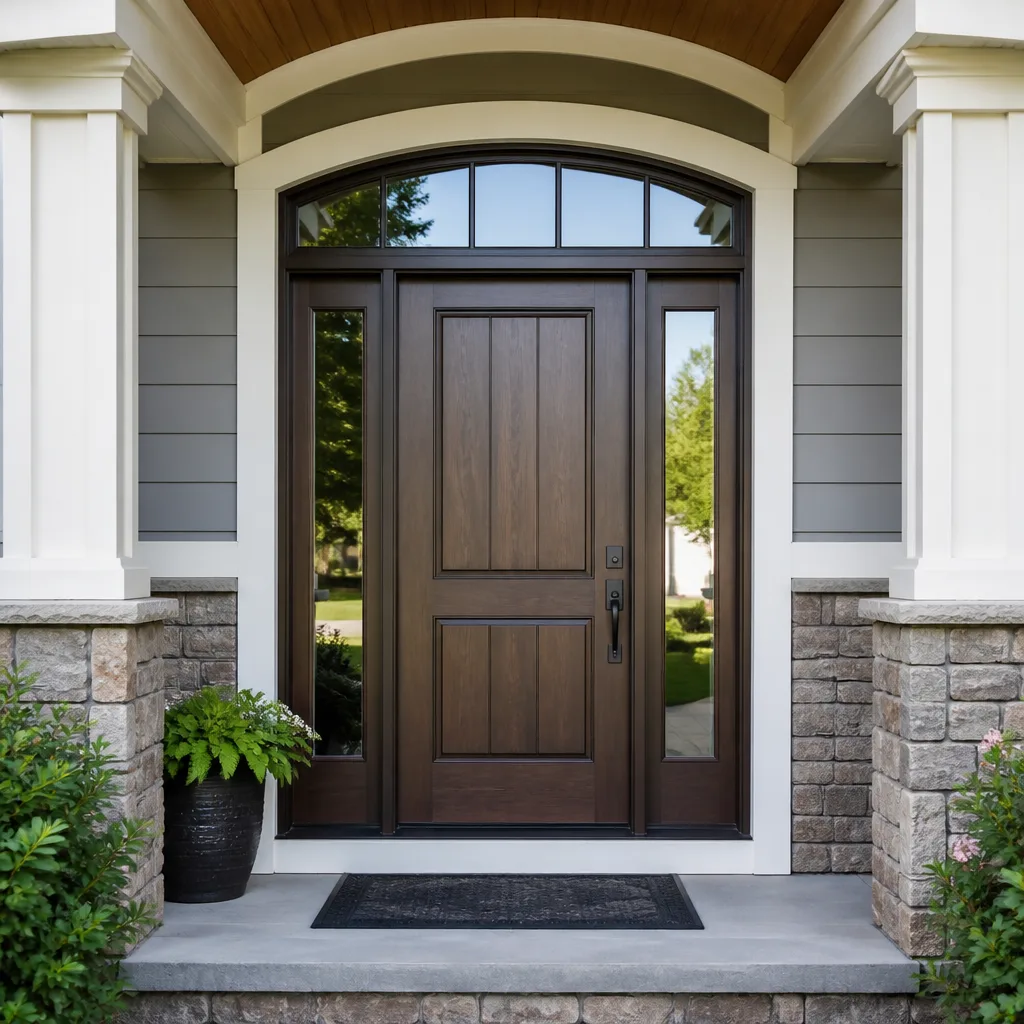
- Entry doors: The workhorse. Impact-rated entry doors in Hialeah homes are typically fiberglass or steel slab with reinforced frames. Fiberglass holds up better to salt air than steel, which will eventually rust at the threshold if the powder coating is scratched. Sun exposure is a bigger factor in Hialeah than people realize, especially on west-facing front doors that take the full afternoon sun along streets like Palm Avenue and East 4th Avenue.
- French doors: The highest failure rate in Hialeah inspections by product category. In the older homes around Palm Springs and the Country Club district, French doors are frequently installed in openings that are not square. Hialeah’s concrete block homes settle unevenly, and French doors have almost no tolerance for out-of-square openings. If the installer does not correct the framing first, the doors bind, the astragal leaks, and the afternoon rainstorms we get every summer find their way inside.
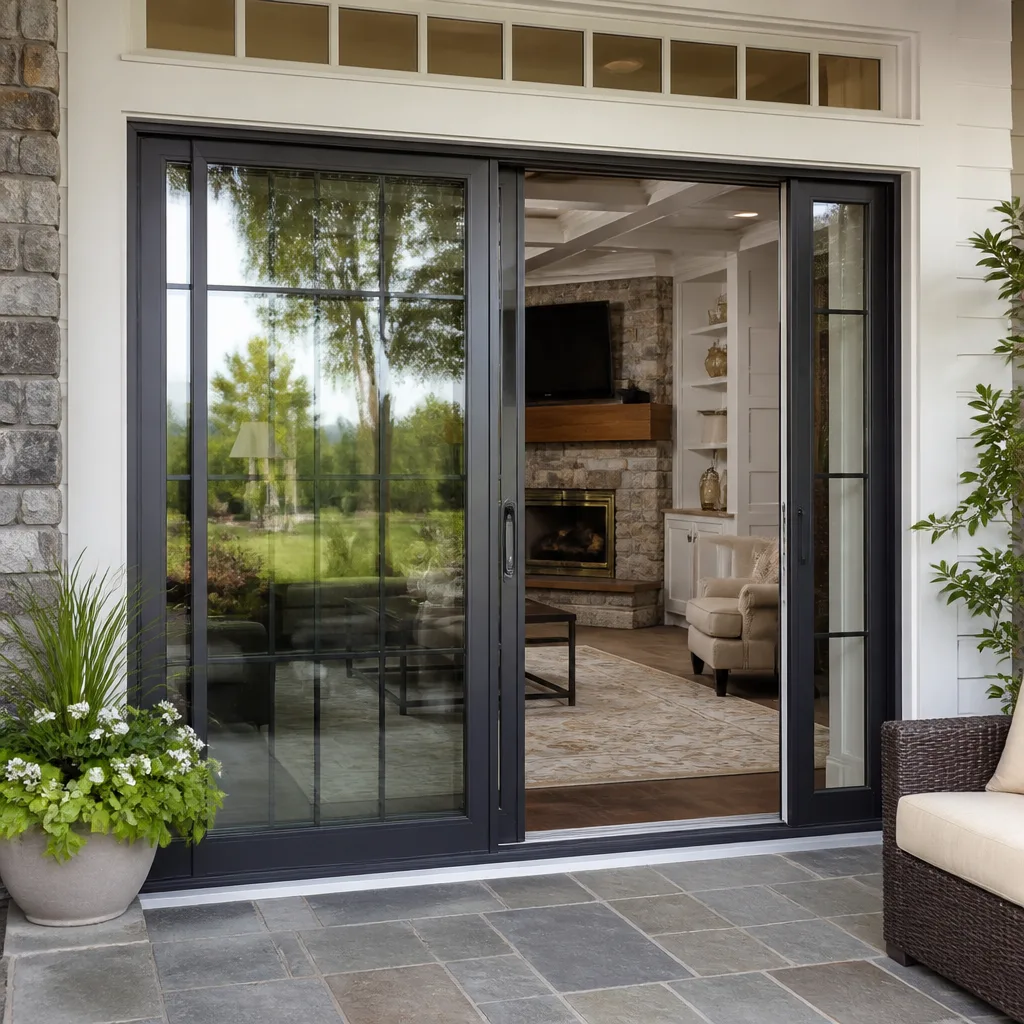
- Sliding glass doors: The workhorse of Hialeah’s patio-facing wall. Sliding glass doors have come a long way since the flimsy aluminum units from the 1980s that rattle in wind and leak at the track. Modern impact-rated sliders from manufacturers like PGT and CGI are heavy, smooth, and substantially more water-resistant. The two things that matter most in Hialeah: proper flashing at the threshold during installation, and keeping the track clean of the grit and industrial dust that settles in homes near the Gratigny Expressway.
One specific piece of Hialeah advice: if you’re replacing an exterior door on a home built before 1978, test for lead paint before demo. Hialeah’s older housing stock has significant lead paint presence, and the EPA’s Renovation, Repair, and Painting rule applies. A responsible contractor will ask about the home’s age before disturbing any painted surface.
Getting Your Hialeah Permit: A Step-by-Step Walkthrough
Hialeah’s building department operates under Miami-Dade County’s authority but applies its own procedures, and in our experience, the process rewards exactness. Missing a single NOA number or wind load calculation will bounce your application back and add two weeks. Here’s the sequence, in order:
- Start with a site visit. A contractor measures every opening and notes the home’s construction type, wind zone, and exposure category. These factors determine exactly which NOA ratings are required.
- Select products with verified NOAs. The exact model number must appear on Miami-Dade’s active NOA list. If you’re replacing existing windows with a different size, the new NOA must match the new dimensions.
- Prepare the permit package. This includes a completed application, product NOA documentation, wind load calculations for each opening, drawings showing the proposed work, and (for homes built before 1978) lead paint documentation.
- Submit to the Hialeah Building Department. Currently, that’s in person or through the online portal depending on the scope. A contractor who does this daily will move faster than a homeowner working through the portal for the first time.
- Respond to any review comments. Hialeah reviewers almost always have at least one question. Common issues include missing NOA pages, drawings that don’t match the application, and discrepancies between the wind load calc and the product’s NOA rating.
- Pass the field inspection. After installation, a Hialeah inspector verifies that the installed products match the approved NOAs and that anchoring meets the HVHZ requirements. If the installer cut corners on anchoring, this is where it surfaces.
For a Hialeah homeowner, this process takes 4 to 10 weeks from contract to finished inspection, with the 6-week average being the rule. If you’re in a time-sensitive situation, a leak, a failed inspection on a home sale, an insurance non-renewal, communicate that upfront. It won’t make the permit faster, but a good contractor will sequence the work to minimize your downtime.
What Your Warranty Covers (and What It Quietly Doesn’t)
Manufacturer warranties on impact windows and doors from the brands we install, PGT, CGI, CWS, ES Windows, are generally strong. Most cover the glass for life against seal failure and the frame for 10 to 20 years against structural defects. But here’s the gap that catches Hialeah homeowners: a manufacturer warranty covers the product. It does not cover the installation.
If a window leaks because it was flashed incorrectly, the manufacturer will not pay. If a door binds because it was hung out of square, the manufacturer will not pay. If the product was installed in a way that violates the NOA anchoring requirements and the county flags it, the manufacturer will not pay. In every one of those cases, the manufacturer’s position is simple: the product was fine, the installation was the problem.
That’s why the installer’s guarantee matters as much as the product’s. Our Done Right Promise exists precisely because of this gap. If a Winslow installation is not done right, we make it right. That’s not a warranty on the glass, which is already covered by the manufacturer. It’s an accountability promise on the labor, the flashing, the anchoring, the alignment, the seal, the whole installation, for a lasting standard that no national chain can match.
Ask any contractor you’re considering this question: “If the manufacturer denies a claim because the installation was faulty, what do you do?” The answer will tell you everything you need to know about who actually stands behind the work.
Common Mistakes to Avoid
- Buying windows before checking the NOA list. You’d be surprised how often homeowners order a product from a national retailer, usually because it was priced below local market, and then discover it has no Miami-Dade NOA. No NOA means no permit. No permit means no inspection, and no inspection means the work is not legal, not insurable, and not re-sellable without disclosure.
- Trusting the phrase “hurricane-rated.” Without a specific NOA number attached to a specific model, the phrase is meaningless in Hialeah. Treat any quote that uses it without an NOA as a red flag.
- Skipping the permit to save money. Unpermitted window and door work is a recurring problem in Hialeah’s older homes, discovered years later during a home sale when the buyer’s inspector flags it. The cost of retroactive permitting and corrective work usually exceeds the original permit cost several times over.
- Choosing frame material by price alone. The cheapest vinyl window in Hialeah’s UV and heat will warp within a few summers. The cheapest aluminum will pit within a few years. A frame material decision should reflect your home’s proximity to the Bay and the industrial corridors, not just the upfront number.
- Replacing windows without addressing the opening condition. In Hialeah homes built before the 1990s, the lintel, tie-down, and rough opening condition often need work before new impact windows go in. Skipping that step saves money now and causes leaks, jamming, or inspection failure later.
- Waiting until hurricane season starts. June through November, the best Hialeah window contractors are booked out 4 to 8 weeks. If you start the process in July, you’ll be installed in August or September, right in the middle of the season you were hoping to beat.
- Assuming all door slabs and frames are interchangeable. A compliant slab in a non-compliant frame is a failed assembly, and in Hialeah, the inspector checks the whole assembly, not just the door itself.
When to Call a Professional
Window and door replacement on a Hialeah home is not a weekend project. The combination of HVHZ anchoring requirements, Miami-Dade NOA verification, and permit paperwork means there are real consequences for doing it wrong, from failed inspections to water intrusion during the next storm. If you’re unsure whether your existing windows carry a valid NOA, if your frames show signs of salt corrosion or warping, if your doors bind or leak, or if you’re preparing to sell and need the work documented and permitted, that’s the time to bring in a licensed pro. Read our DIY vs Professional Windows & Doors: The Hialeah Homeowner’s Decision Guide to see why. Winslow Windows & Doors offers free estimates in Hialeah and will verify NOA status on your existing windows at no charge. Call (850) 998-3090 to schedule yours.
Frequently Asked Questions
For a typical 1,500 to 2,000 square foot Hialeah home with 10 to 14 openings, a full impact window replacement runs $8,000 to $28,000 depending on window types, frame materials, and brand. Homes with custom shapes or larger openings can push higher. Call (850) 998-3090 for a line-item quote on your specific home.
Yes. Hialeah requires a permit for any window or exterior door replacement, no exceptions. The work must meet Miami-Dade HVHZ standards and the products must carry active NOAs.
A Florida Product Approval meets the statewide Florida Building Code standard. A Miami-Dade NOA meets a stricter county-specific standard that includes higher wind pressures and additional testing. In Hialeah, only the NOA is legally sufficient for residential windows and doors.
As an owner-builder, you can perform work on your own single-family home, but you still need a permit, NOA-verified products, and inspections. Most homeowners underestimate the anchoring requirements, which are precise in the HVHZ. Mistakes surface at the inspection and are expensive to correct after the fact.
Quality impact windows installed correctly in Hialeah typically last 20 to 30 years for the glass and 15 to 25 years for the frame, depending on material. See our Impact Windows Maintenance Checklist for Hialeah Homeowners to protect that lifespan. Hialeah’s salt air and intense UV exposure shorten the life of low-quality frames, particularly cheap aluminum.
Most Florida insurers offer premium discounts for verified impact-rated window and door products, but the savings vary widely by carrier and policy. The discount requires documentation showing the installed products’ NOA numbers, which is another reason to keep your permit and inspection records. Call (850) 998-3090 and we’ll walk you through the documentation your insurer will ask for.
The Bottom Line
Hialeah is its own market with its own rules. The windows and doors that work here must clear a bar set higher than anywhere else in Florida, and that’s not a burden. It’s the reason Hialeah homes stand through storms that flatten other cities. The path to getting it right is straightforward: verify the NOA before you buy, match your frame material to Hialeah’s salt air and industrial grit, use an installer who pulls permits and passes inspections, and make sure the warranty language doesn’t leave you holding the bag on a bad installation. For more guides & resources on protecting your home, visit our blog. Winslow Windows & Doors has been doing exactly that in Hialeah since 2011. Ed Winslow’s name is on the door, and on every job we do. Call (850) 998-3090 for a free estimate. We’re the one down the road.
Written by Ed Winslow, Owner at Winslow Windows & Doors, serving Hialeah since 2011.
Six Reasons Homeowners Choose Winslow Windows & Doors
Impact systems engineered to design pressures up to +/-100, matched to your wind zone - your openings hold when the storm arrives.
Low-E insulated impact glass from our manufacturer lines commonly cuts monthly cooling bills 20-30%.
Laminated impact glass shuts out up to 40% of outside noise - traffic, neighbors, weather.
Monitoring services run $30-90 a month. Laminated impact glass resists forced entry around the clock, with no subscription.
Florida homeowners average around 25% savings on the windstorm portion of their policy after protecting every opening - some homes qualify for more.
A full impact package upgrades curb appeal, buyer confidence and appraised value in one project.