
Last updated August 27, 2026
Free in-home measure and quote - PGT, CGI and CWS impact lines compared on your actual openings, style by style
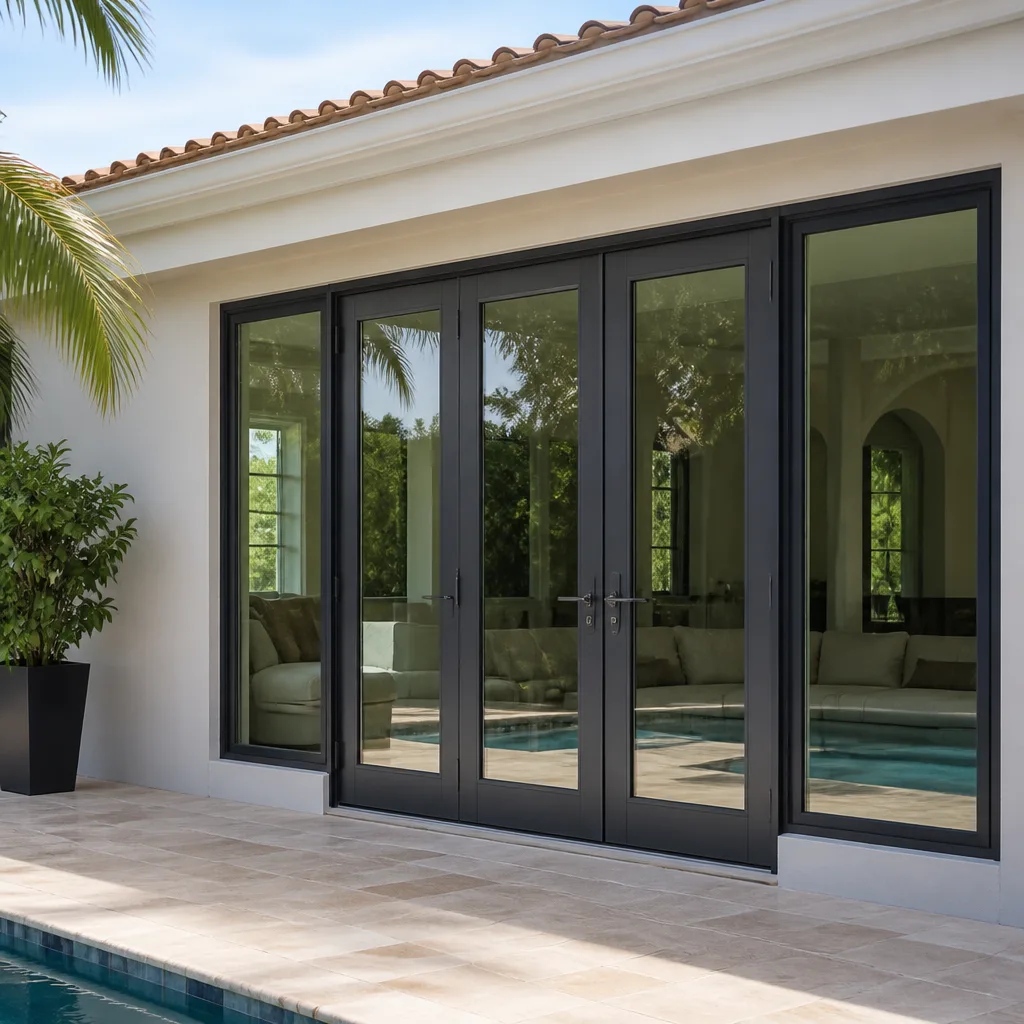
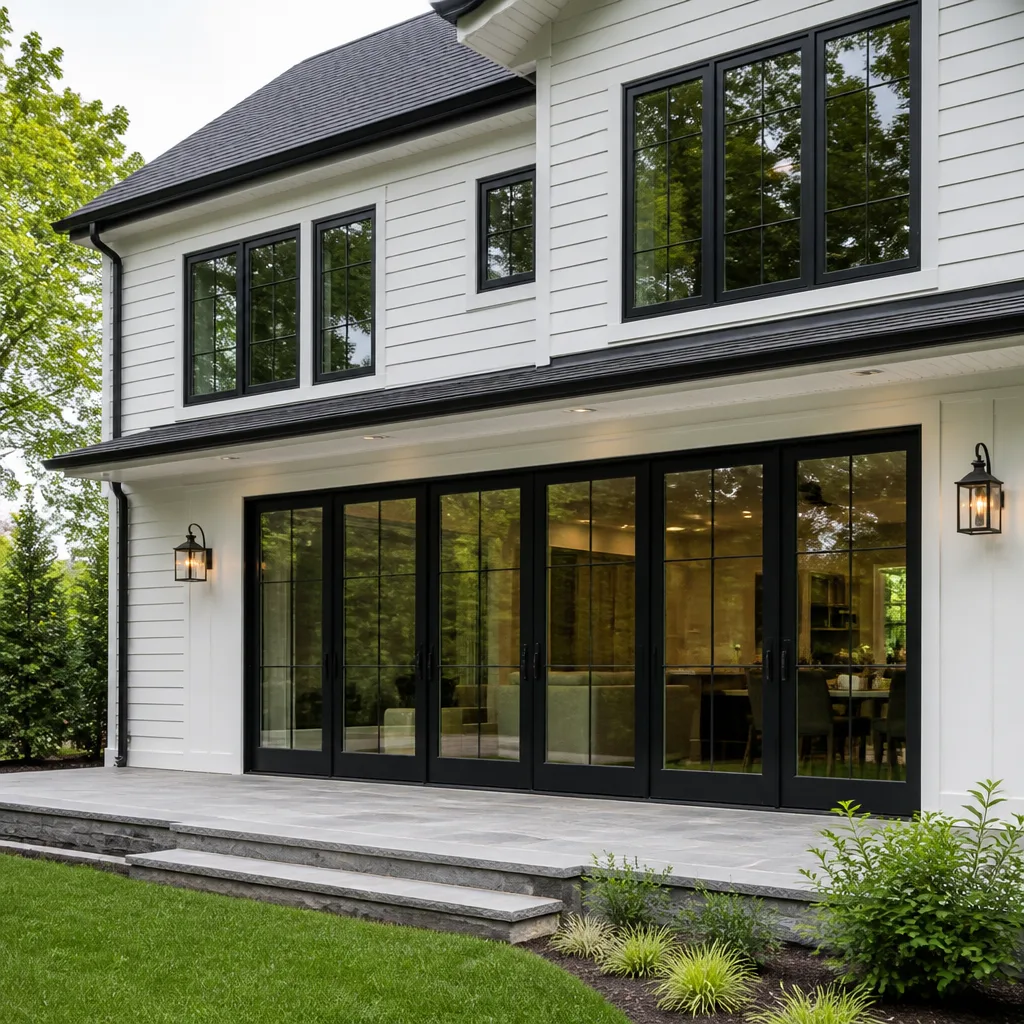
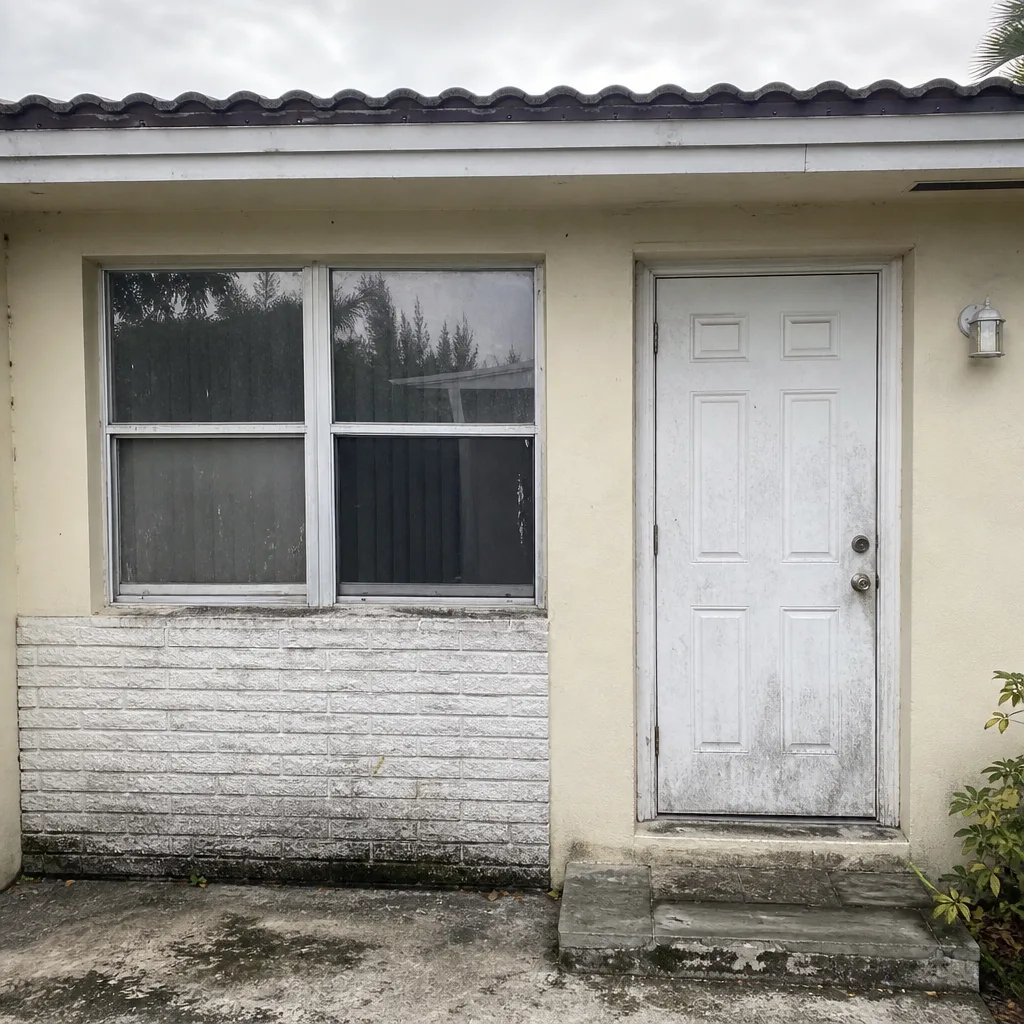 Before
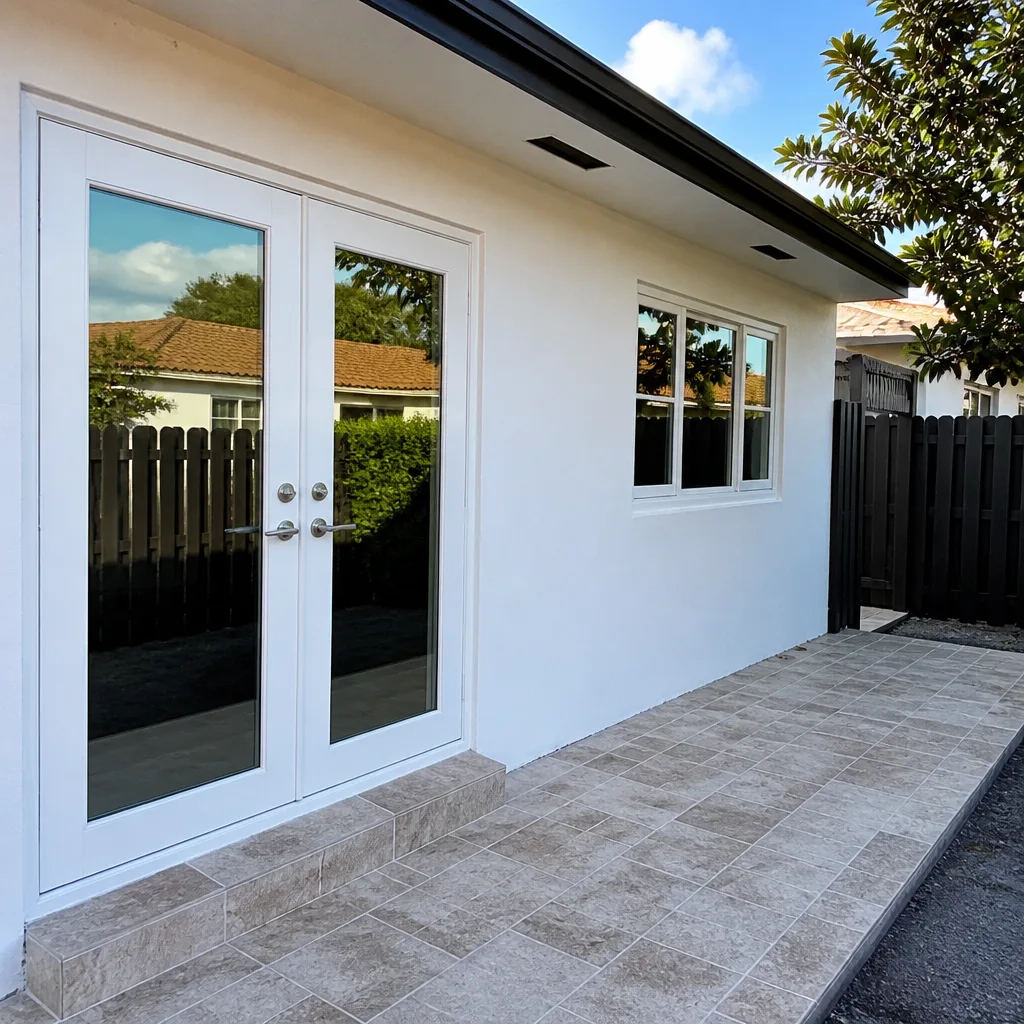 After
After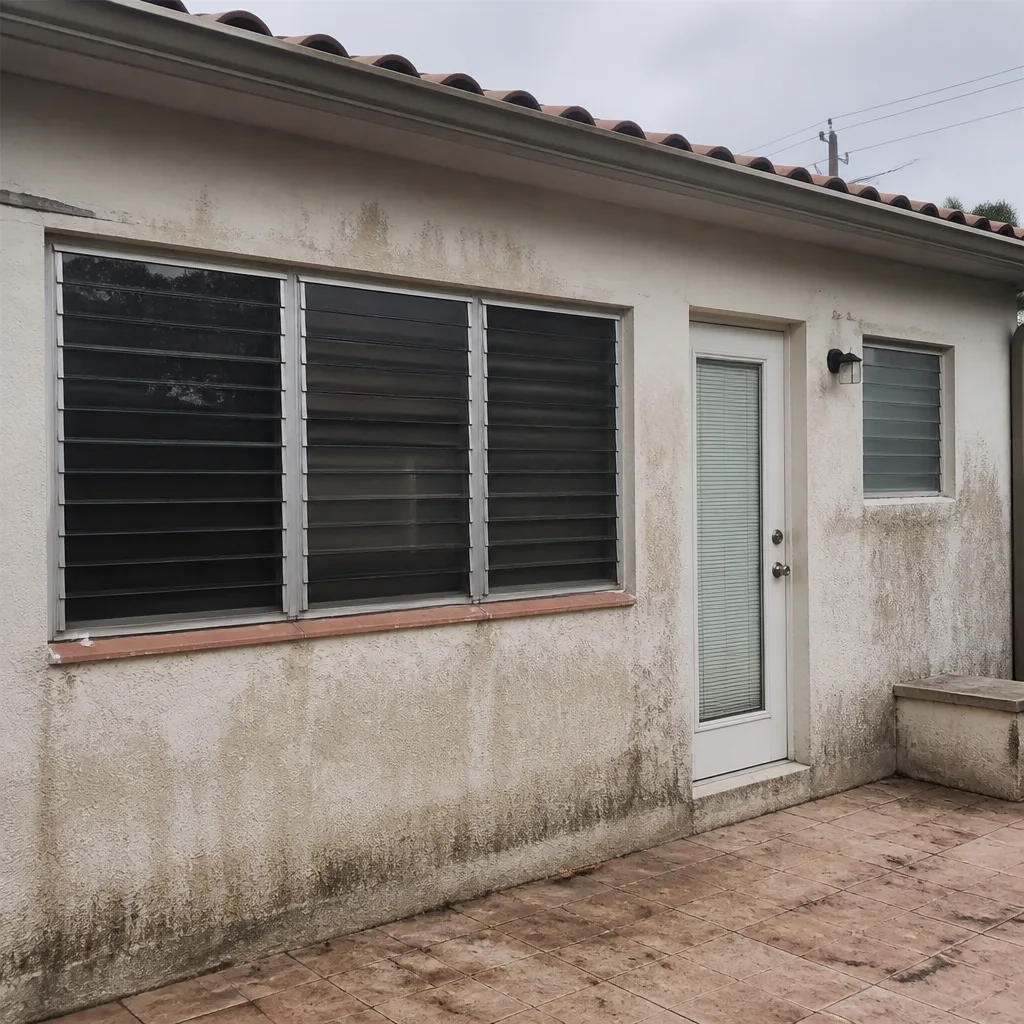 Before
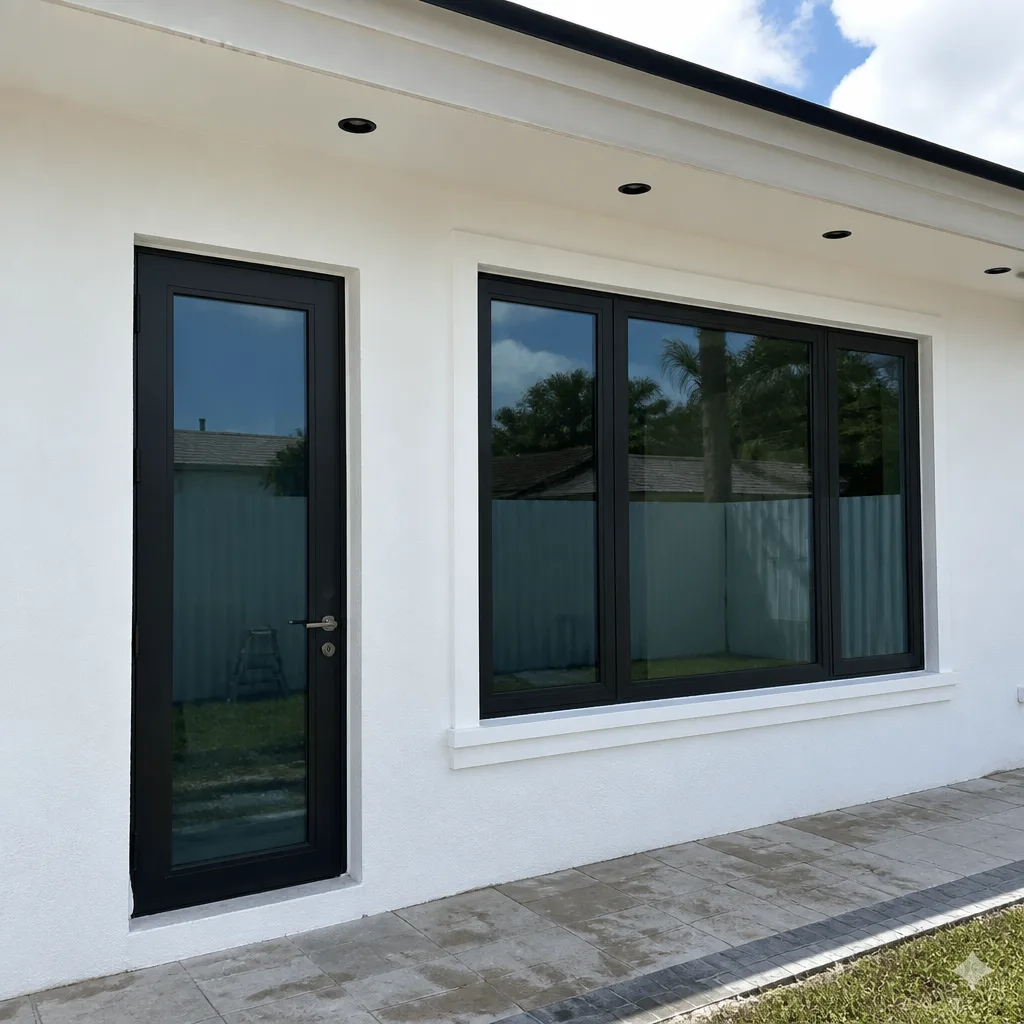 After
After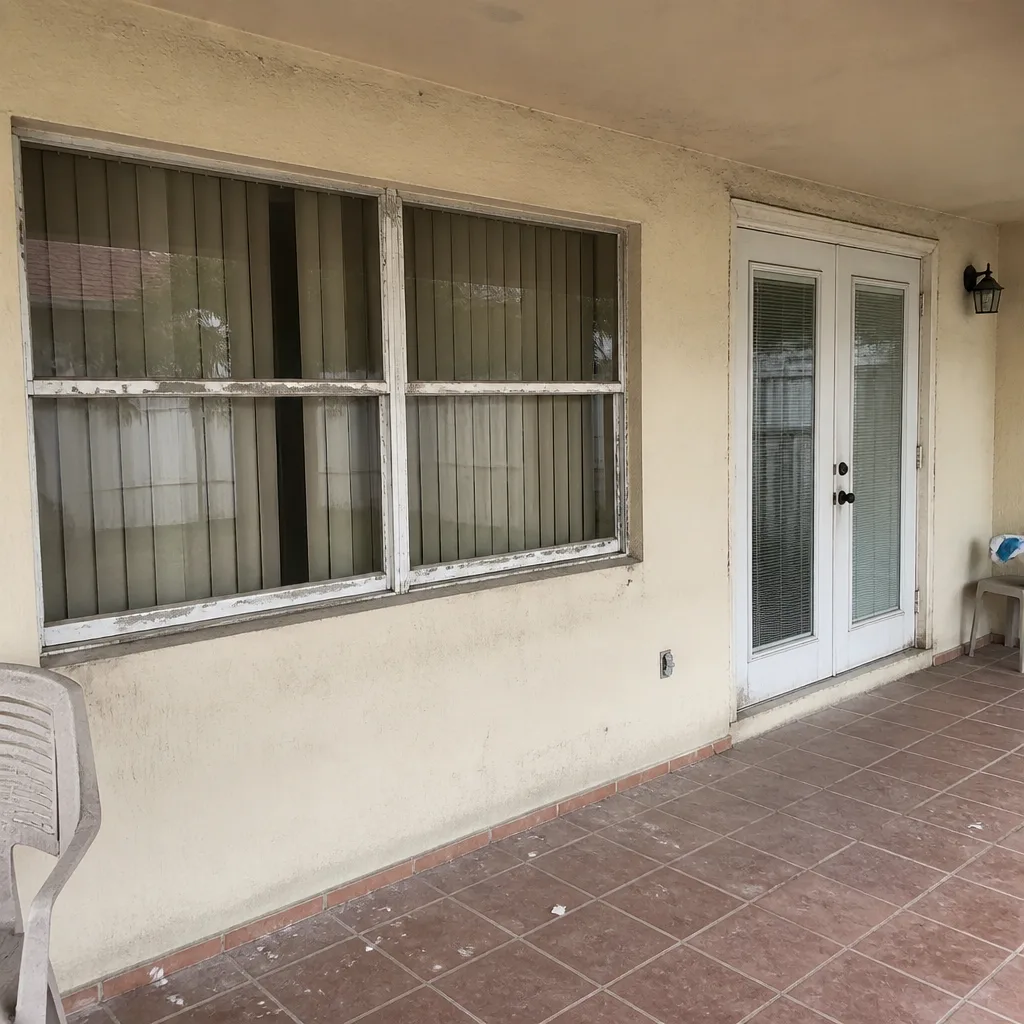 Before
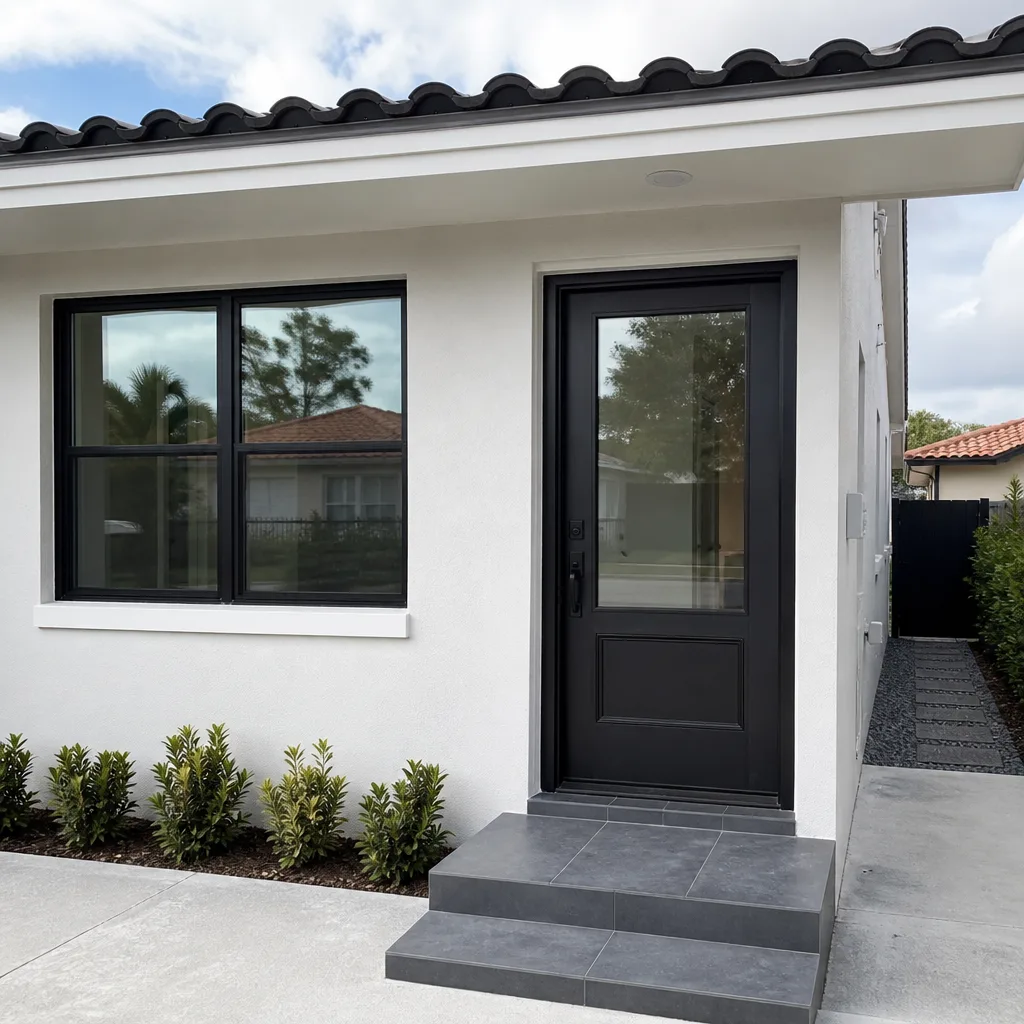 After
AfterDIY vs Professional Windows & Doors: The Hialeah Homeowner’s Decision Guide
Florida law hands homeowners a surprising amount of rope: statute 489.103 lets you pull your own building permit and act as your own contractor on your primary residence. But here’s what most Hialeah homeowners don’t learn until they’re standing in front of a failed inspection: Miami-Dade County has layered requirements on top of that state law that effectively gut the owner-builder exemption for impact windows and doors. This guide walks you through exactly where the legal line falls, which tasks you can genuinely handle yourself, what a self-installed hurricane window can cost you at claim time, and how to decide when professional installation in Hialeah is not just smarter but legally required. For more help, see our guide on How to Hire a Windows & Doors Contractor in Hialeah: A Step-by-Step Guide.
Quick Answer
For weatherstripping, hardware swaps, interior trim, and screen replacement, a Hialeah homeowner can absolutely DIY. But for any impact-rated window or exterior door installation, Miami-Dade’s NOA certification and inspection requirements make licensed-contractor installation the legal and practical default. Getting it wrong on a DIY impact install can void your manufacturer warranty, fail mandatory third-party inspection, and give your insurance carrier grounds to deny a hurricane damage claim.
Table of Contents
- What Florida Law Actually Says About DIY Window Work
- The Miami-Dade Addendum: Where the Owner-Builder Exemption Dies
- What a Hialeah Homeowner Can Legally and Safely DIY
- What Legally Requires a Licensed Contractor in Hialeah
- The Insurance Consequence Most DIYers Never Consider
- What Professional Installation Actually Buys: An Honest Labor Cost Breakdown
- Owner-Operated vs. National Chain: Why Accountability Shows Up at Month 18
- A Step-by-Step Evaluation for Your Hialeah Home
- Common Mistakes to Avoid
- When to Call a Professional
- Frequently Asked Questions
- The Bottom Line
What Florida Law Actually Says About DIY Window Work
Florida Statute 489.103 is the number to know. It’s the owner-builder exemption, and it reads plainly: a homeowner acting as their own contractor on their own primary residence is exempt from the state’s contractor licensing requirement. That’s the statute every DIY blog quotes when it tells you to grab a pry bar and go. And on its face, it’s true. You can pull your own permit for a window replacement in many parts of Florida. You can act as your own general contractor.
But the statute is not a blank check. The exemption has limits that matter enormously for window and door work:
- It applies to your primary residence only. A rental property, a second home, a flip, a commercial storefront: none of these qualify. If you’re working on anything other than the house you live in, you need a licensed contractor, full stop.
- It does not exempt you from code compliance. The owner-builder exemption waives the licensing requirement, not the building code. You still have to meet every requirement of the Florida Building Code and the Miami-Dade County amendments. If you don’t know what those are, that’s not a defense.
- It does not exempt you from the inspection process. You still schedule inspections. You still stand next to an inspector who can fail your work. And in Miami-Dade, the inspection bar is the highest in the state.
- It does not transfer to anyone you hire to help. You cannot pull an owner-builder permit and then pay unlicensed helpers to do the work. That converts your project into unlicensed contracting, which is a misdemeanor in Florida and a fast track to a stop-work order.
In our experience at Winslow Windows & Doors home, the owner-builder statute is the most misquoted law in the Hialeah home improvement conversation. It gets trotted out as if it were a free pass. It isn’t. For impact work in this county, it’s the starting line, not the finish line.
The Miami-Dade Addendum: Where the Owner-Builder Exemption Dies
Miami-Dade County runs the strictest building code enforcement in the United States. The reason is geography: Hialeah sits inside the High Velocity Hurricane Zone, the only county in the continental U.S. that carries that designation. When Hurricane Andrew wiped out thousands of homes in 1992, the county responded by building a regulatory wall around impact protection. That wall includes the Notice of Acceptance system.
Here’s the part that matters for your DIY decision. Every impact window and impact door installed in Hialeah must be a product with a valid Miami-Dade NOA, which is a product approval document that certifies the specific make, model, and size of that window or door has been tested to withstand the county’s wind and missile-impact standards. The NOA is not just paperwork. It’s a legal precondition for installation.
And the Miami-Dade addendum to the Florida Building Code does something the state statute doesn’t: it requires that NOA-certified impact products be installed according to the manufacturer’s installation instructions, which for every major brand, including Impact Windows in Hialeah from PGT, CGI, CWS, specify licensed-contractor installation as a condition of product approval and warranty validity. The manufacturer’s NOA submission to the county includes an installation method. Deviate from it, and your install is non-compliant.
Then comes the inspection. Miami-Dade requires a third-party inspection on impact window installations. This is not the municipal inspector rubber-stamping your permit. This is an independent inspector verifying that the NOA-listed product was installed exactly as the NOA specifies: anchor count, anchor spacing, embedment depth, mullion reinforcement, everything. If the inspection fails, the county will not close the permit. And an open permit on a Hialeah home is a cloud on the title that will surface at sale. No real estate transaction closes quietly with an open, failed permit on the property record.
So the practical reality: Florida says you can act as your own contractor. Miami-Dade says your impact installation must meet a licensed-contractor standard, verified by third-party inspection, installed to a manufacturer’s NOA-listed method. The gap between those two statements is where DIY impact projects go to die.
What a Hialeah Homeowner Can Legally and Safely DIY
None of this means you should never touch your windows or doors. Quite the opposite. There are real tasks around the perimeter of your home that a competent Hialeah homeowner can handle with basic tools, and doing them yourself saves money and extends the life of your existing products. Here’s the honest list, from our fifteen-plus years of seeing what homeowners do well versus what goes sideways, plus Impact Windows Maintenance Checklist for Hialeah Homeowners for ongoing care.
- Weatherstripping replacement. Felt, foam tape, vinyl bulb seals, door sweeps: these are consumables that degrade in Hialeah’s heat and humidity. If you can see daylight around your door or feel air movement at a closed window, replacing the weatherstripping is a one-afternoon job with a putty knife and a pair of scissors. No permit, no inspection, no NOA involved.
- Hardware replacement. A worn casement window crank, a dead lock that no longer throws cleanly, a sagging hinge pin: these are mechanical components sold as direct replacements by the manufacturer. You’re not altering the fenestration product, you’re swapping a part. Same product, same opening, same method. Legal and genuinely DIY-friendly.
- Interior casing and trim work. The wood or MDF trim around the inside of a window or door is finish carpentry, not structural. You can pull it, replace it, repaint it, and caulk it without anyone’s blessing. Just don’t disturb the window or door frame itself.
- Screen and insect barrier replacement. Screening spline and screen mesh are among the simplest DIY materials in the hardware store. A new screen panel for a window or a sliding door costs pennies in materials and requires no licensing, no inspection, and no county involvement.
- Lubrication and routine maintenance. Silicone spray on window tracks, graphite on lock cylinders, tightening of exposed fasteners, clearing weep holes so Hialeah’s afternoon downpours drain correctly: all maintenance, all DIY, all worth doing twice a year.
The common thread: none of these tasks alter the structural opening, none of them involve the NOA-listed product’s installation method, and none of them require a permit. You’re maintaining what’s there, not changing it. That’s the line, and it’s a clear one.
What Legally Requires a Licensed Contractor in Hialeah
On the other side of that line is everything that changes the fenestration product or the structural opening. In Hialeah, the following tasks require a licensed contractor, a pulled permit, and in most cases a Miami-Dade third-party inspection:
- Impact window installation or replacement. Any NOA-certified impact product: Window Installation in Hialeah of a PGT, CGI, CWS, or ES Windows unit falls under this. The county’s addendum requires it.
- Impact door installation, including sliding glass and patio doors. Impact-rated entry doors and sliding glass doors carry their own NOAs and their own inspection requirements. A sliding glass door that fails during a storm doesn’t just leak water; it pressurizes the house and can lift the roof.
- Non-impact window replacement where the opening changes. Even if you’re installing a standard, non-impact window, if the rough opening gets modified (enlarging, shrinking, re-framing), you’re doing structural work that requires a permit and a licensed contractor. A direct drop-in replacement of a non-impact window may not require a full NOA inspection, but it still triggers the permit process in Miami-Dade.
- Any work that excludes an existing window or door. Closing up an opening, adding a new opening, moving a door: all of it is structural. None of it is owner-builder territory in a High Velocity Hurricane Zone.
- Roof-related window or skylight work that touches the roof deck. If the project involves cutting into the roof deck, you’re now in roofing territory, which has its own licensing and inspection regime.
We say this without hedging: if the product carries an NOA number, the installation belongs to a licensed contractor. That’s not Winslow Windows & Doors protecting its business. That’s Miami-Dade County protecting your home, and it’s been that way since 2002, when the county’s post-Andrew code regime fully took effect.
The Insurance Consequence Most DIYers Never Consider
Here’s the scenario no DIY blog ever walks you through. You install an impact window yourself. You pull the owner-builder permit. The third-party inspection fails, or worse, you skip it entirely and the permit stays open. Two years later, a hurricane pushes a tree limb through that window, or the wind pressure from a Category 3 storm flexes the frame until the glass pops. Water enters. Your drywall, your flooring, your furniture: thousands in damage.
You file the claim. The adjuster arrives. The adjuster asks for the permit closeout and the NOA inspection report. You don’t have them. At that point, the carrier is entitled to evaluate whether the window was installed to code, and a failed or missing inspection is evidence it wasn’t. Florida insurance law permits carriers to deny structural damage claims when the point of failure was a non-compliant installation. You’re not just out the window. You’re out the drywall, the flooring, the contents, and potentially the claim history that will follow you into renewal season.
For Hialeah homeowners, this isn’t theoretical. We’ve sat across the table from people who saved $800 on a DIY install and lost $40,000 on a denied claim. The $800 savings looks different from that side of the desk. And that’s before you consider the manufacturer’s warranty, which is void on any product installed outside the NOA-listed installation method. A voided PGT or CGI warranty means a cracked pane in year three is fully on you, even though the product itself was covered.
One more insurance angle few people mention: some Florida carriers ask directly on the application or renewal questionnaire whether any structural work was performed under an owner-builder permit. If the answer is yes and the inspection record isn’t clean, you’re looking at a surcharge, a non-renewal, or a declination. The savings from DIY impact work have a way of compounding in the wrong direction.
What Professional Installation Actually Buys: An Honest Labor Cost Breakdown
When you pay for professional window or door installation in Hialeah, you’re not just paying for two guys and a level. You’re paying for a chain of obligations that begins before the first anchor goes in and extends years beyond the last inspection. Here’s where the labor line item actually goes:
- Permit management. The contractor pulls the permit, schedules the inspections, and stands in front of the inspectors. In Miami-Dade, that’s real time and real coordination. A permit that gets scheduled wrong can stall a project for weeks.
- NOA verification. The contractor confirms that the exact product going into your opening has a valid, current Miami-Dade NOA, and that the installation method matches the NOA-listed spec. Miss that and you’re re-buying windows.
- Inspection scheduling and pass-through. The third-party inspection in Miami-Dade is not negotiated by the homeowner. The contractor manages it, from scheduling to closeout.
- Manufacturer warranty activation. PGT, CGI, CWS warranties activate on licensed-contractor installation. That’s not a bonus; it’s a precondition. The labor line includes the warranty activation.
- Post-install liability. If an installation fails, the liability sits with the contractor, not with you. That’s true at month one and at year ten.
- Tooling and equipment. Impact windows are heavy. A single PGT impact picture window can weigh 200 pounds. The equipment to handle it safely, the anchors, the mullion joinery, the flashing: all included in the labor figure.
So when a Hialeah homeowner tells us the labor estimate seems high, we walk them through this list. The physical act of setting a window is maybe half the invoice. The other half is the system that keeps the county happy, the manufacturer obligated, and the insurance carrier without an excuse.
Owner-Operated vs. National Chain: Why Accountability Shows Up at Month 18
If you’re going to hire out, the next question is who. National chains install windows in Hialeah every day. They also sub-contract most of their installation work to local crews who bid the labor at the lowest possible rate and who may be installing for a different chain next month. That’s not a criticism. It’s a structural fact about how big-box and national window operations work.
The difference between that model and an owner-operated company shows up most clearly at the call-back, not at the install. When a job goes in correctly, both models look identical. When something fails at month 18 - a window that’s fogged, a door that’s out of alignment, a flashing detail that’s weeping - the national chain routes you through a service ticket system. The sub crew that did your install is gone. The ticket gets triaged. Weeks pass.
Ed Winslow’s name is on the door - and on every job we do. We’ve been installing windows and doors in Hialeah since 2011, and we live with the work. A callback at month 18 comes to the same person who quoted the job, not to a ticket number. Our Done Right Promise is simple: if it’s not done right, we make it right. Not a prorated warranty table. Not a service window. Just the promise, with Ed’s name on it.
That accountability extends to the details Hialeah homeowners tell us they’ve been burned on before. Calls answered by a live person, 24/7 - no voicemail loops, no call centers. Upfront pricing with no change orders hiding in the fine print. Background-checked, uniformed technicians on every job. Free second opinions on written estimates. $40 off any repair over $200, a no-trip-charge guarantee inside the home county, and a permanent 10% discount for seniors and veterans. None of that is marketing language. It’s how a business runs when the owner’s name is on the front.
A Step-by-Step Evaluation for Your Hialeah Home
If you’re trying to decide whether a specific window or door project is DIY territory or contractor territory, here’s the evaluation we walk our own neighbors through:
- Identify the product. Is the window or door you’re touching impact-rated? Look for the NOA number on the glass or the frame. If it’s there, the answer to “can I DIY this?” is almost always no.
- Define the scope. Are you maintaining or replacing? Weatherstripping, hardware, screens, and interior trim are maintenance. Swapping a window, re-framing an opening, converting to impact: that’s replacement.
- Check the permit requirement. In Hialeah, assume any window or door replacement requires a permit. Confirm with the city’s building department if you’re unsure. Assume wrong and you’re owning an open-permit problem.
- Assess your inspection tolerance. Are you prepared to schedule, attend, and pass a Miami-Dade third-party NOA inspection? If any part of that sentence makes you pause, you have your answer.
- Run the insurance thought experiment. If this product fails in a hurricane and the carrier asks for your NOA inspection report, will you have one? A licensed contractor’s installation generates that paperwork as a matter of course.
- Price the full lifecycle, not the labor hour. A DIY window might save $800 on install day and cost $30,000 at claim time. Professional installation might cost $300 more per opening and run without incident for twenty years. Do the math with the long horizon.
We’ve used this same framework with homeowners from the single-story ranches off Palm Avenue to the condos and townhomes near the Palmetto Expressway. The answers vary by product and scope. The framework doesn’t.
Common Mistakes to Avoid
- Quoting the owner-builder statute without reading the Miami-Dade addendum. Florida Statute 489.103 is real, but it doesn’t override the county’s NOA inspection requirement. Reader after reader gets burned by making this exact assumption.
- Installing an impact product from an online discounter without verifying the NOA is current and valid for Miami-Dade. A product with an expired or non-transferable NOA will fail inspection, and you’ll own it. The discount evaporates at first inspection.
- Assuming a failed inspection is a minor fix. In Miami-Dade, a failed NOA inspection often means removing and reinstalling the product, because the anchor pattern or embedment is non-compliant. That’s not a patch; it’s a redo.
- Voiding the manufacturer warranty by installing outside the NOA-listed method. PGT, CGI, CWS warranties are explicit: licensed-contractor installation is the activation path. DIY it and the warranty is a piece of paper with no force.
- Leaving an open permit on the property record. Hialeah real estate transactions grind to a halt over open permits. A $100 permit left open can delay a $500,000 sale by months.
- Hiring an unlicensed handyman to do licensed work to save money. Unlicensed contracting is illegal in Florida, and the work product won’t pass inspection. You’re paying twice: once to the handyman, once to the licensed contractor who has to fix it.
- Underestimating the weight and handling requirements of impact windows. A single impact picture window can exceed 200 pounds. Improper handling doesn’t just damage the product; it injures homeowners every year.
When to Call a Professional
Call a professional when the product carries a NOA number. Call a professional when the opening changes. Call a professional when the project touches the structural frame or the roof deck. Call a professional when you don’t want to stand in front of a Miami-Dade third-party inspector alone. And call a professional when the warranty and the insurance coverage matter more than the $800 you might save up front. Window Replacement in Hialeah is the kind of work where the pro’s paperwork protects the purchase. Winslow Windows & Doors offers free estimates in Hialeah - call (850) 998-3090 and a live person answers, day or night.
Frequently Asked Questions
No - not in any practical sense. Florida Statute 489.103 permits owner-builder work on a primary residence, but Miami-Dade County’s mandatory NOA inspection regime requires impact installations to meet licensed-contractor standards, verified by third-party inspection. A self-installed impact window that fails that inspection leaves you with an open permit and a non-compliant product. Call (850) 998-3090 for a free estimate on a compliant installation.
You can DIY weatherstripping replacement, door and window hardware swaps, interior casing and trim work, screen replacement, and routine lubrication and maintenance. None of these tasks alter the product or the structural opening, so no permit or inspection is required. Call (850) 998-3090 if you’re unsure whether a specific job crosses the line.
It can. Insurance carriers are entitled to evaluate whether the point of failure was a compliant installation, and a failed or missing NOA inspection gives them grounds to deny the structural damage claim. The $800 in DIY savings can turn into tens of thousands in denied coverage. Call (850) 998-3090 before you make that bet.
Labor for professional impact window installation in Hialeah typically runs between $180 and $350 per opening, depending on size and access, while DIY eliminates that labor line. But the professional price includes permit management, NOA verification, inspection scheduling, warranty activation, and post-install liability - protections a DIY install doesn’t have. Call (850) 998-3090 for a written, line-item estimate at no charge.
No. PGT, CGI, CWS warranties activate only on licensed-contractor installation, per the NOA-listed installation method. A self-installed impact window has no manufacturer warranty protection. Call (850) 998-3090 to make sure your warranty is live from day one.
Yes, in most cases. Even a direct drop-in non-impact window replacement triggers Miami-Dade’s permit process, though the inspection requirements differ from impact work. If the rough opening changes at all, you’re also in structural territory that requires a licensed contractor. Call (850) 998-3090 and we’ll tell you exactly what your specific project needs.
The Bottom Line
The DIY versus professional decision in Hialeah isn’t really a decision about skill. It’s a decision about jurisdiction. Miami-Dade County’s NOA certification and third-party inspection requirements exist because this is the only High Velocity Hurricane Zone in the continental United States, and the stakes of a window failure here are higher than anywhere else in the country. For maintenance tasks, DIY is legal, safe, and smart. For impact product installation, the law, the warranty, and the insurance math all point the same direction: hire a licensed contractor who stands behind the work. Ed Winslow has been standing behind his since 2011.
Written by Ed Winslow, Owner at Winslow Windows & Doors, serving Hialeah since 2011.
Six Reasons Homeowners Choose Winslow Windows & Doors
Impact systems engineered to design pressures up to +/-100, matched to your wind zone - your openings hold when the storm arrives.
Low-E insulated impact glass from our manufacturer lines commonly cuts monthly cooling bills 20-30%.
Laminated impact glass shuts out up to 40% of outside noise - traffic, neighbors, weather.
Monitoring services run $30-90 a month. Laminated impact glass resists forced entry around the clock, with no subscription.
Florida homeowners average around 25% savings on the windstorm portion of their policy after protecting every opening - some homes qualify for more.
A full impact package upgrades curb appeal, buyer confidence and appraised value in one project.