
Last updated August 27, 2026
Free in-home measure and quote - PGT, CGI and CWS impact lines compared on your actual openings, style by style
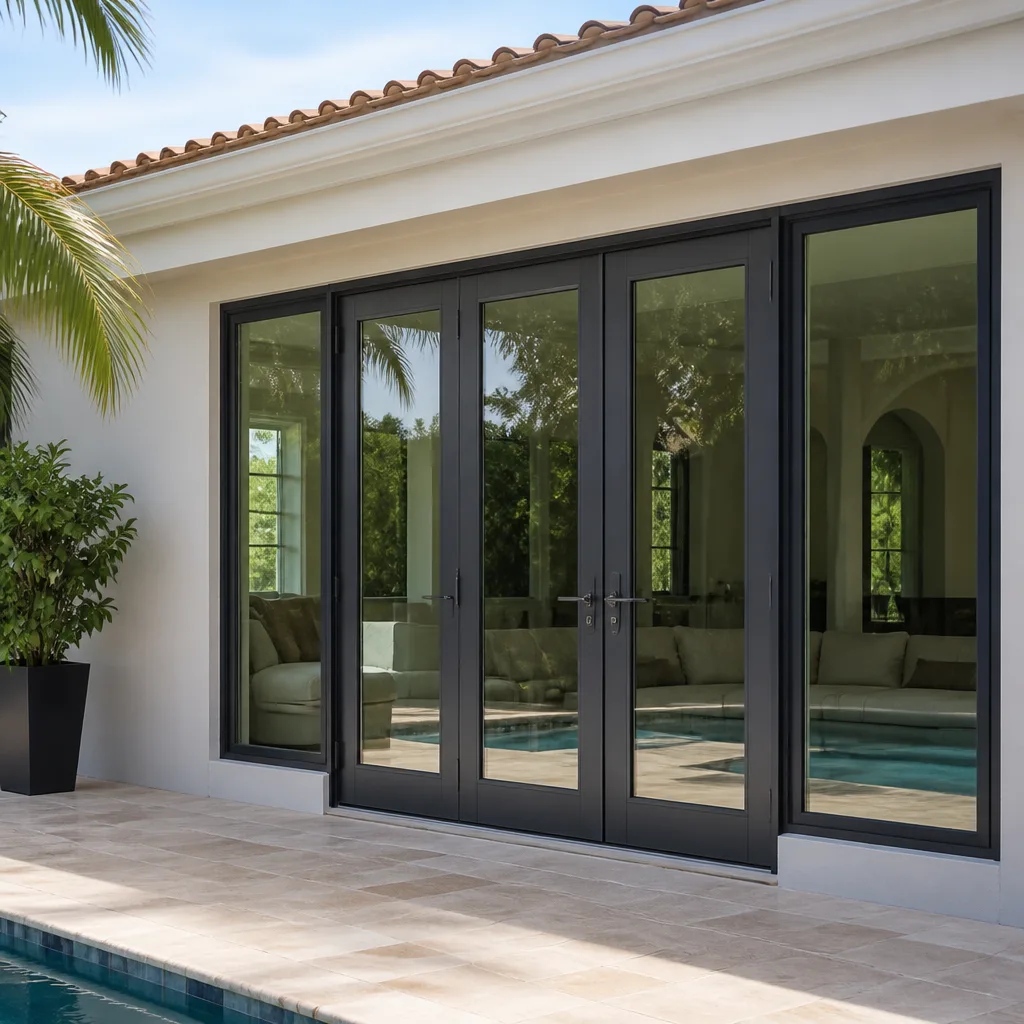
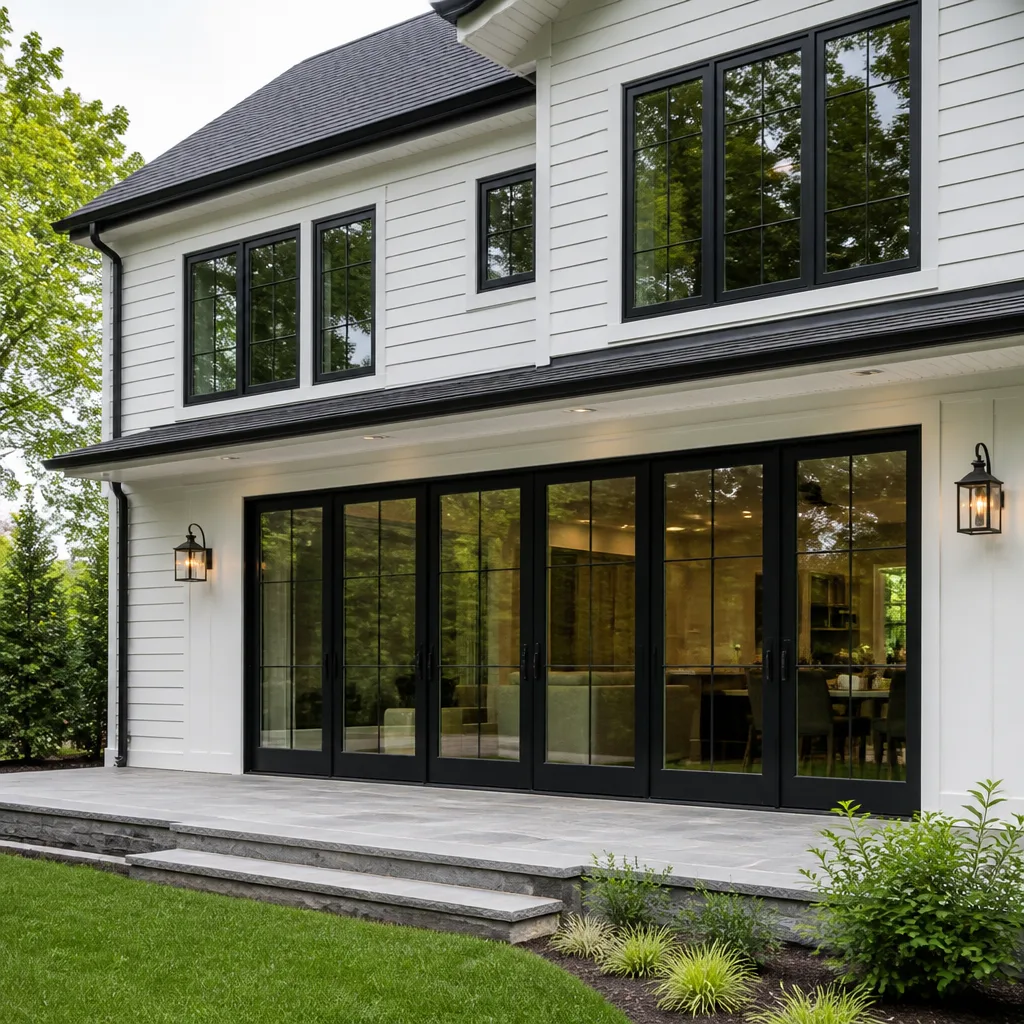
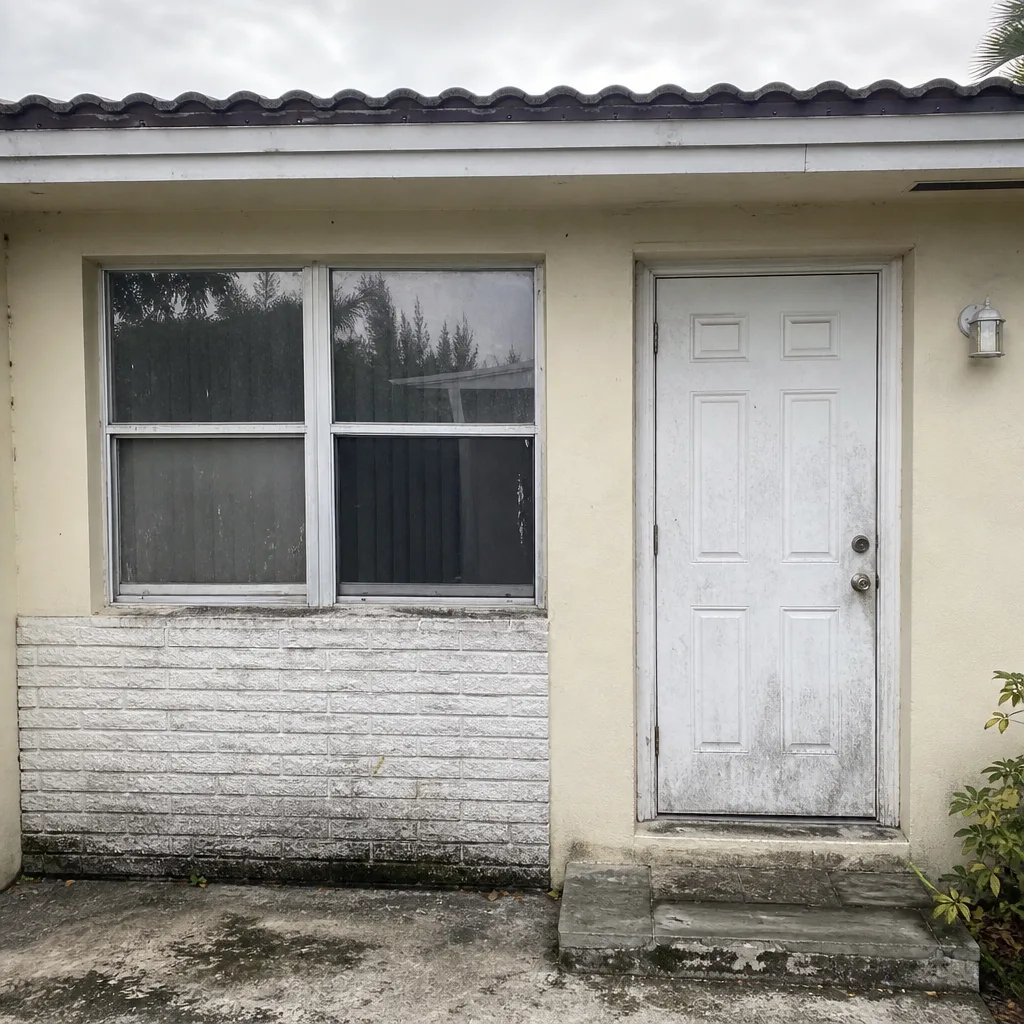 Before
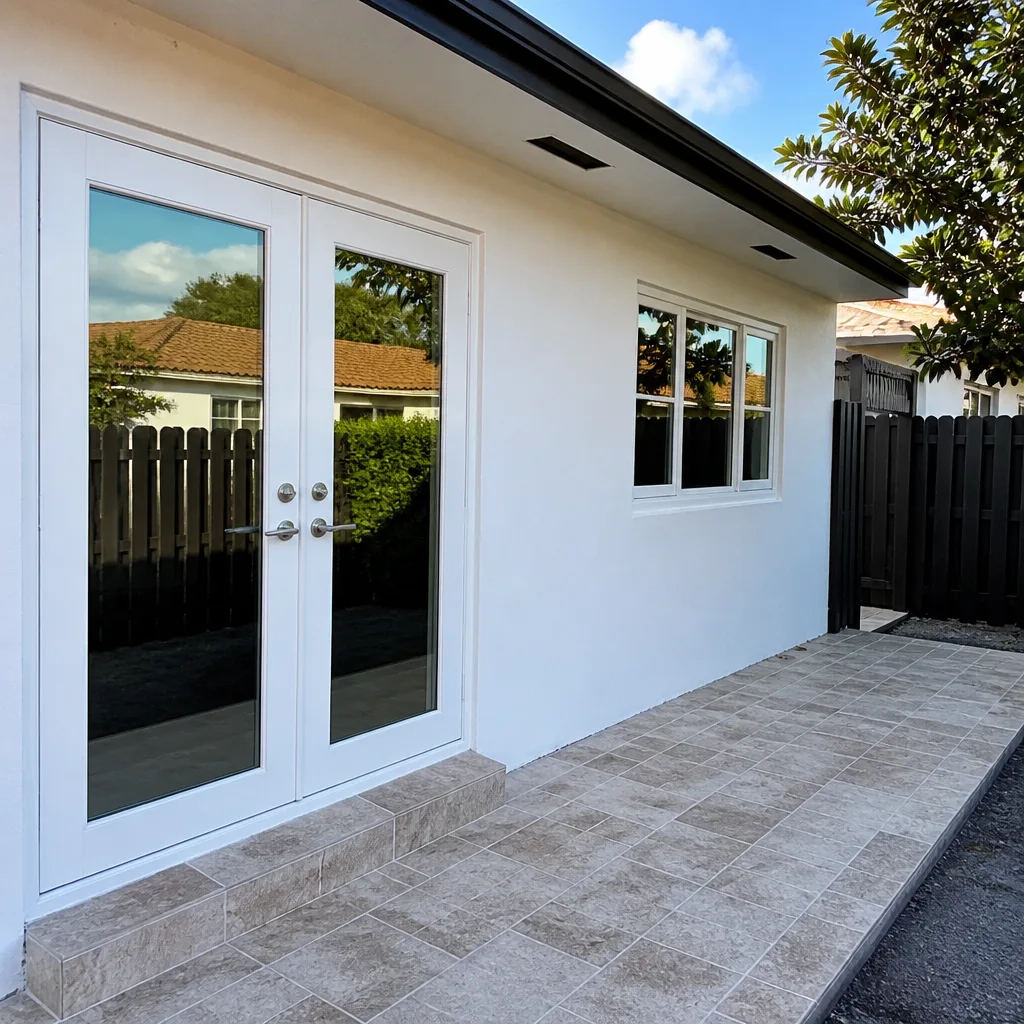 After
After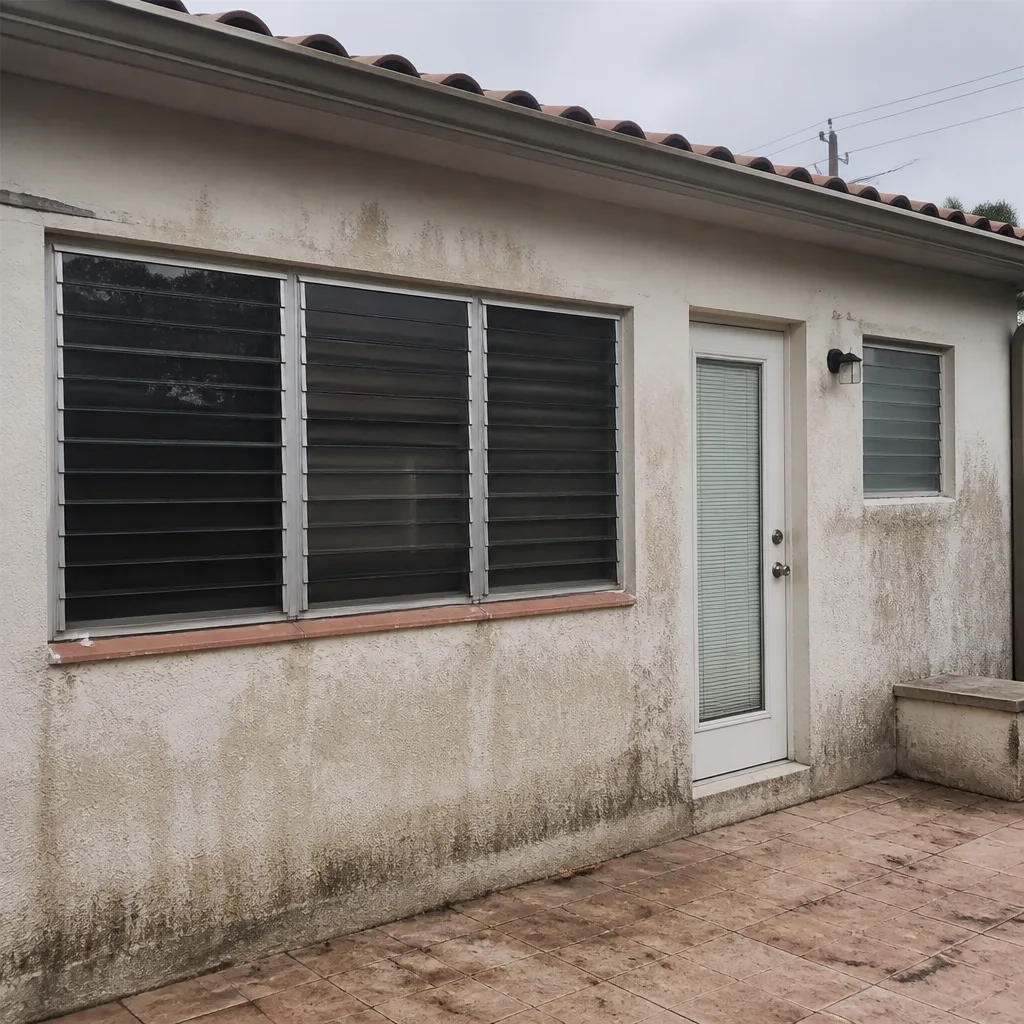 Before
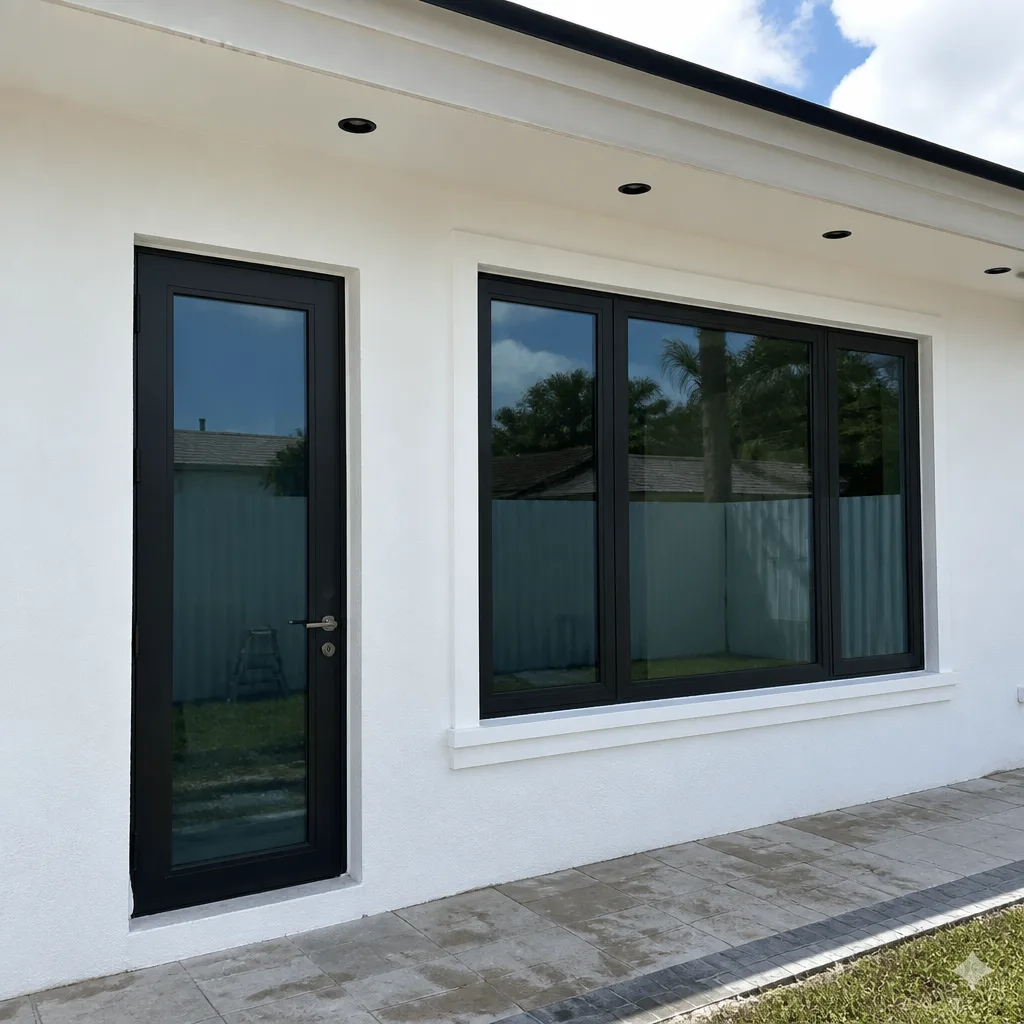 After
After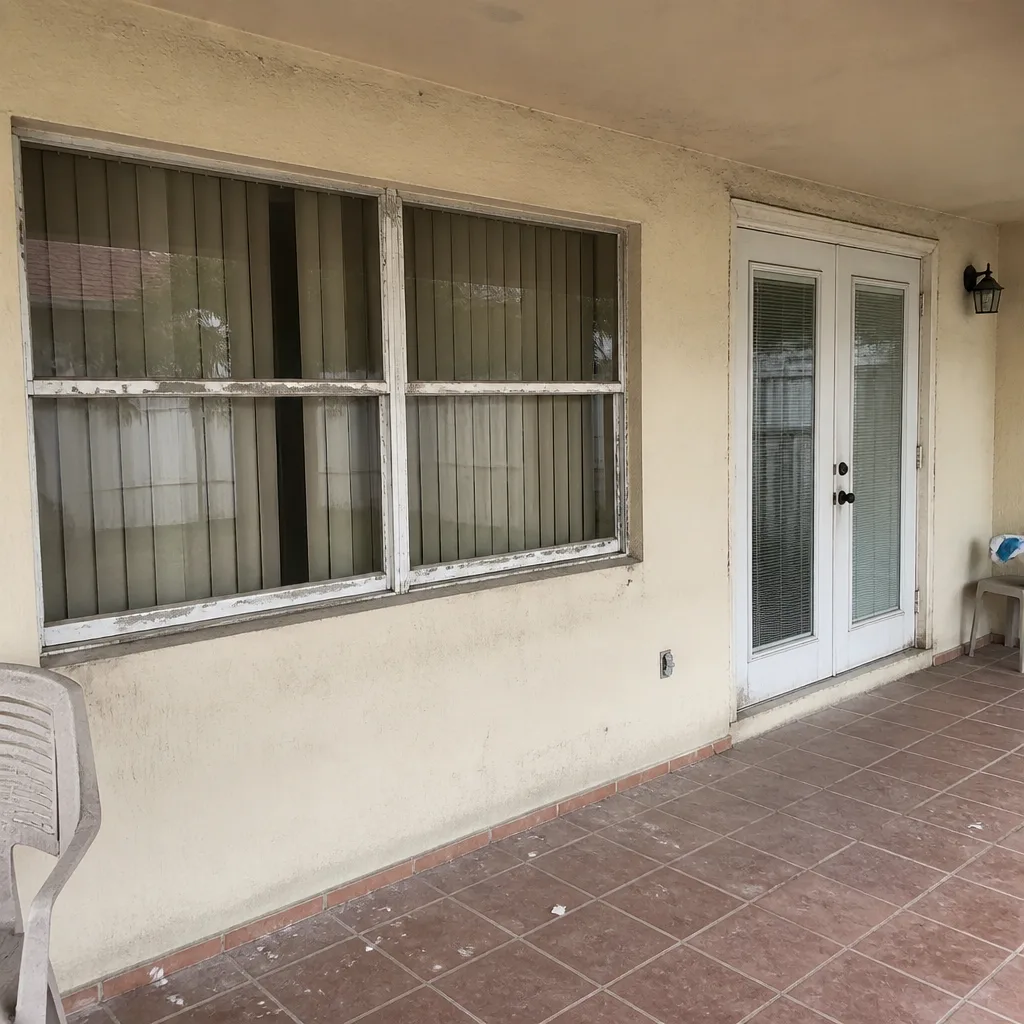 Before
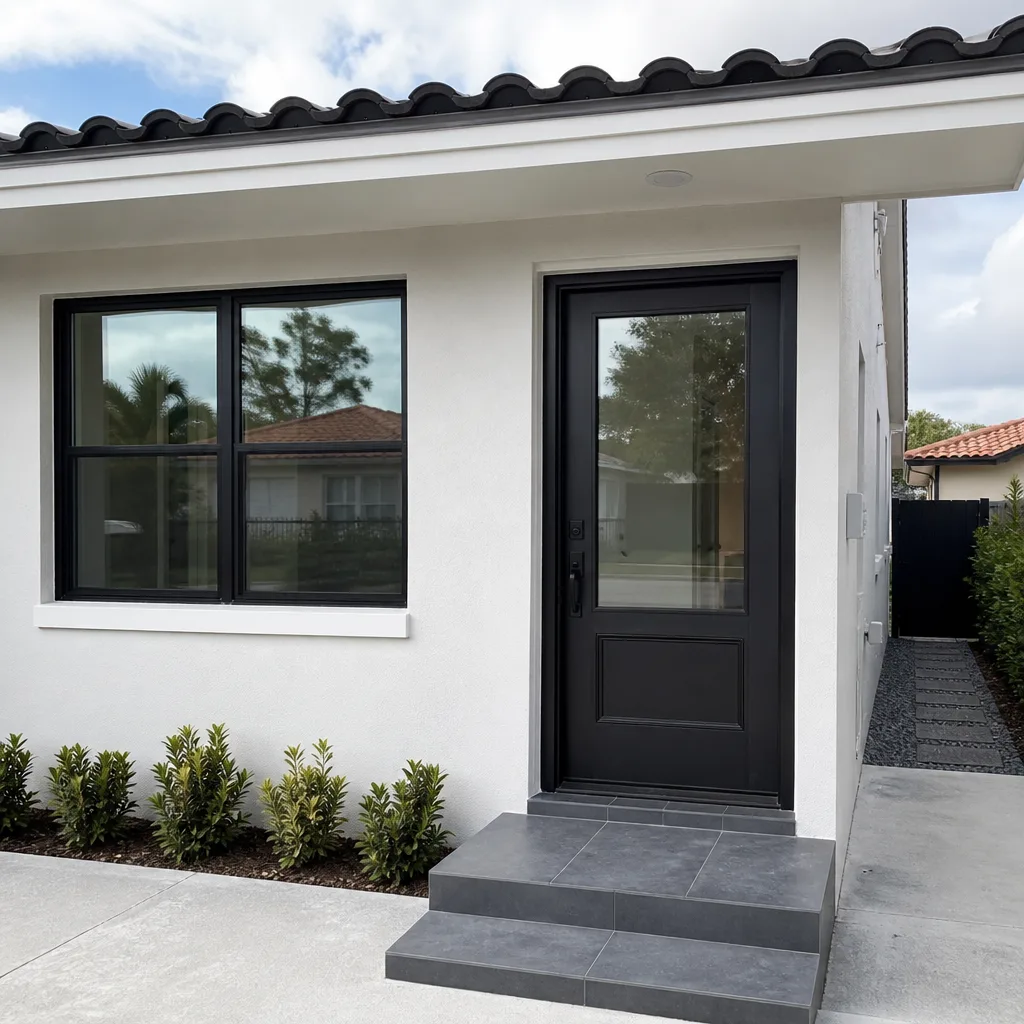 After
AfterWindows & Doors Warning Signs: A Hialeah Homeowner’s Reference Guide
Most window and door failures in Hialeah homes don’t happen suddenly. They telegraph themselves for weeks or months before a catastrophic event, but homeowners miss the signals because they can’t tell whether a symptom means a minor fix or a mandatory replacement. And here’s the counterintuitive part: a hairline crack in an impact window’s inner glass lite does not mean the window failed. That window may still carry its full hurricane rating. But the same crack in the outer lite means your protection is gone entirely. Most people get this backwards, and in a city that sits directly in the path of Atlantic storm tracks, getting it backwards is expensive. This guide draws the line precisely: what to watch, what each sign actually means, and when it’s time to act. For a deeper dive, see The Complete Guide to Windows & Doors in Hialeah.
Quick Answer
The window and door warning signs Hialeah homeowners should treat seriously are fogging between glass panes, frame separation at corners, specific sounds (grinding, whistling, clicking, popping, hissing), water intrusion at the sill or frame edges, and visible corrosion on aluminum frames. Cosmetic issues like minor seal fogging or superficial scratches are usually fixable. Structural issues like frame separation, outer-lite cracks on impact glass, or water leaking through the frame mean you’ve lost certification or protection and need professional replacement. If you see water inside after rain, hear metal-on-metal grinding, or spot dark staining on aluminum, call a qualified contractor for an inspection, or see our guide on How to Hire a Windows & Doors Contractor in Hialeah: A Step-by-Step Guide.
Table of Contents
- Seal Failure: Cosmetic Fogging vs. Structural Frame Separation
- The Five Sounds Your Windows and Doors Should Never Make
- Water Intrusion: Why It’s Almost Never the Glass
- Aluminum Corrosion Stages: What Hialeah’s Coastal Air Does to Frames
- How to Document Warning Signs for a PGT, CGI, or Therma-Tru Warranty Claim
- Energy Efficiency Red Flags: The Quiet Signs of Failing Insulation
- Impact Certification: When a Warning Sign Voids Your Protection
- Common Mistakes to Avoid
Seal Failure: Cosmetic Fogging vs. Structural Frame Separation
Seal failure is the most common window issue we see in Hialeah homes, and it’s also the most misunderstood. When homeowners see fog between the panes of a double-pane window, they often assume the entire window is compromised. That’s usually wrong. What you’re seeing is a failed desiccant seal, which allows moisture to enter the airspace between the glass lites. The window still keeps rain out. It still keeps wind out. It still operates normally. What it doesn’t do is insulate properly, and it looks bad. That’s a cosmetic seal failure.
Structural seal failure is an entirely different animal. When the sealant bond between the glass unit and the frame begins to separate, you’ll see gaps at the corners where the frame pieces meet. You may be able to slide a piece of paper into the gap. In Hialeah’s humidity and heat, this separation accelerates quickly because the aluminum expands and contracts with temperature swings that routinely hit 20 degrees within a single day. A frame that’s pulling apart at the corners has lost its structural integrity, and on impact windows, that means the window may not hold under hurricane-force wind loads.
Here’s the distinction in plain terms:
- Cosmetic seal failure (fogging or condensation between panes): energy loss and reduced visibility. The window still protects your home. Repairable, though many homeowners choose replacement for clarity and efficiency.
- Structural seal failure (frame separation, visible gaps at corners, glass unit shifting within frame): the window’s integrity is compromised. On impact-rated products like PGT and CGI windows, this voids the certification. Replacement is mandatory, not optional.
In our experience, Hialeah homes built before 2002 are the most likely to show structural seal failure because the original windows were rarely impact-rated and often used thinner aluminum extrusions. If you live in an older section of Hialeah near Palm Avenue or east of Red Road, it’s worth checking your corner joints this week.
The Five Sounds Your Windows and Doors Should Never Make
Sound is the most reliable early-warning system a home has. Before a window or door fails visibly, it usually fails audibly. Hialeah homeowners live with wind, rain, and the constant background noise of a dense, busy city, so subtle sounds are easy to dismiss. Don’t. Each specific noise points to a specific problem.
1. Grinding (Metal on Metal)
Grinding in a sliding door or window track means the rollers have failed and the metal carrier is dragging directly on the aluminum track. Every time you operate the door or window, you’re shaving metal off the track. This is not a lubrication problem. Once the track is gouged, replacement costs jump significantly. In Hialeah’s salt-tinged air, a roller can seize within three to five years of exposure.
2. Whistling (Wind Through a Gap)
Whistling means air is finding a path through or around the weatherstripping. The gap may be too small to see, but it’s large enough to admit wind at 10 to 15 mph, which Hialeah experiences regularly. Whistling also means water can enter through the same gap under rain pressure. If you hear whistling during a storm, check the floor or sill immediately after.
3. Clicking (Loose Hardware or Shifting Glass)
A clicking sound when you open or close a window or door usually means the fasteners that hold the sash or panel in place have loosened. On an impact window, this can also mean the glass unit has begun to separate from the frame. If you hear clicking, stop operating the unit and have it inspected. Operating a window with a loose glass unit can cause the exact damage you’re trying to avoid.
4. Popping (Thermal Expansion Stress)
Popping noises during temperature changes are caused by frame materials expanding and contracting against each other. Some expansion noise is normal in Hialeah’s heat. But a loud, sharp pop that repeats in the same spot indicates a stress concentration, usually at a corner joint that’s begun to fail. If the popping is localized and consistent, the frame has a weak point that will eventually crack.
5. Hissing (Gas Escape from the Airspace)
Most modern energy-efficient windows use argon or krypton gas between the glass lites to improve insulation. When the seal fails, the gas escapes. You can’t see this happening, but in a quiet room you may hear a faint hiss near the window’s edge. By the time the seal has failed enough to hiss, the window has already lost most of its insulating value. Hialeah’s air conditioning load makes this a measurable cost increase on your power bill.
If you hear any of these sounds, the window or door is telling you something specific. Grinding and clicking demand immediate attention. Whistling and hissing are slower burns but cost you money every month. Popping is the wildcard: monitor it, locate it precisely, and if it recurs, get it checked.
Water Intrusion: Why It’s Almost Never the Glass
When water comes through a window or door during a Hialeah rainstorm, homeowners almost always suspect the glass. That’s nearly always wrong. Glass is waterproof. It’s a solid sheet. Water enters homes through openings, and openings happen at the edges: around the frame, behind the flange, through failed flashing, or through gaps between the frame and the rough opening of the wall.
The most common culprit in Hialeah is defective or missing flashing. Flashing is the folded metal or tape system that directs water away from the window or door opening and back out to the exterior face of the wall. If flashing was installed incorrectly, or if the original installation used materials that have degraded in Florida’s sun and humidity, water will find its way behind the frame and into the wall cavity. By the time water shows up on your interior wall or floor, it may have been entering the wall for months.
Here’s the specific visual test to confirm where the intrusion is coming from:
- Wait until the surface of the wall is dry after a rain event. Dry the visible wet spots with a towel.
- Run a garden hose at low pressure along the top edge of the window or door frame from the exterior. Hold the water there for two minutes.
- Watch the interior. If water appears at the top corners or along the sides of the frame within minutes, the intrusion is at the flashing or sealant level, not the glass.
- Move to the bottom corners, then the sill, repeating the test at each location for two minutes.
- Mark any spots where water appears with painter’s tape so you can show a contractor the exact location.
If water enters at the top during step 2, you’re looking at a head flashing problem. At the sides, the jamb flashing or sealant has failed. Along the bottom, the sill pan was never installed or has been compromised. None of these are glass problems, and none of them will be solved by replacing glass.
Hialeah’s specific climate makes this worse. We get concentrated downpours during the summer months, often an inch or more in under an hour. A flashing deficiency that barely leaks in lighter rain will flood in a Hialeah afternoon storm. And because our walls dry slowly in 85% humidity, the mold risk is real. If you have water intrusion, don’t wait. Water takes the cheapest route.
Aluminum Corrosion Stages: What Hialeah’s Coastal Air Does to Frames
Aluminum is a great window frame material because it’s strong and light. It is not, however, immune to corrosion, especially in Hialeah’s coastal-urban environment. The combination of salt air from the Atlantic, high year-round humidity, and the chemical residues of city air creates a specific corrosion pattern that homeowners can read like a timeline.
Aluminum doesn’t rust like steel, which flakes away in reddish-brown layers. Aluminum corrodes through a process called pitting, and the corrosion has three visible stages. Each stage tells you roughly how much service life remains in the frame.
- Stage 1: White Oxidation - A powdery white film on the surface of the frame. This is the aluminum’s natural protective oxide layer becoming visible. It’s cosmetic and mostly harmless. You’ll see it on most Hialeah homes with older aluminum windows. It does not indicate structural weakness, but it does mean the factory finish has degraded enough that the bare metal is exposed.
- Stage 2: Pitting - Small visible pits or craters in the metal surface. This is actual material loss, not just surface oxidation. Pitting concentrates at the corners and along the bottom rail where water pools. At this stage, the frame still has structural integrity, but the protective coating is gone and corrosion is accelerating. In Hialeah’s salt-laden air, a pitted frame can lose meaningful thickness within two to three years.
- Stage 3: Dark Staining - Dark brown, gray, or black stains that accompany deep pitting. This is galvanic corrosion or crevice corrosion, and it means the aluminum is actively degrading at a rate that affects its strength. Dark staining on a frame corner means the structural life of that frame is measured in months, not years. On impact windows, this is a replacement-level condition.
Homes within a mile or two of the coast in Hialeah’s eastern stretches see corrosion advance significantly faster than homes farther west. If your frame has reached pitting or staining stage, replacing the window or door is the fiscally responsible move. Waiting doesn’t save money; it replaces a window-replacement budget with a window-plus-wall-repair budget.
How to Document Warning Signs for a PGT, CGI, or Therma-Tru Warranty Claim
Warranty claims succeed or fail based on documentation, not on whether you were right. PGT, CGI, and Therma-Tru all have formal claim processes, and each has specific documentation requirements. If you don’t document the damage correctly at the beginning, you may be stuck with the repair cost. Here’s what actually works.
What claims departments pay attention to isn’t just the damage itself. It’s the evidence that the damage is a manufacturing defect, not an installation problem or homeowner-caused damage. That distinction is the entire game. A cracked frame corner is a manufacturing issue. A frame bent from forced entry is not. You need to establish causation through the documentation you provide.
Step 1: Photograph with Specific Angles
Every claim needs at least these four photos, regardless of the brand:
- Wide shot of the entire window or door from directly in front, showing the unit in its opening.
- Close-up of the defect from 12 inches away. The photo must show the problem clearly.
- Photo of the manufacturer’s label or etching on the glass or frame. PGT, CGI, and Therma-Tru all mark their products; this is how they identify the unit.
- Photo of the surrounding area showing no visible impact damage from outside (no branch marks, no tool marks).
Step 2: Capture the Right Metadata
Your phone does this automatically, but you should know what to preserve. The date, time, and location are embedded in every photo. Do not screenshot the photos to “clean them up.” Screenshots strip metadata. Send the original files. Claims departments in Hialeah, and the brands’ central offices, use metadata to verify the timeline of your claim.
Step 3: Write the Notes That Matter
Your written notes should be exactly that: written, not verbal. The specifics that matter are the date you first noticed the issue, the weather conditions that week, and any sounds or functional changes you observed. Include whether the window or door is original to the home, and if you know it, the installation date. This creates the timeline claims departments need to establish whether the defect falls within the warranty window.
For PGT, CGI, and Therma-Tru specifically: all three will ask whether an authorized dealer or installer performed any prior work on the unit. If a non-authorized contractor repaired the window, that’s typically grounds for claim denial. Keep this in mind before hiring anyone for a repair on an in-warranty product.
Energy Efficiency Red Flags: The Quiet Signs of Failing Insulation
In Hialeah, where air conditioning runs for the better part of eleven months a year, window efficiency has a direct line to your FPL bill. The signs of failing window insulation are usually quiet, but they’re easy to spot if you know what to feel for.
The most obvious sign is a window that’s hot to the touch on the interior side in the afternoon. Modern energy-efficient glass uses low-E coatings and gas fills to block heat transfer. When the gas has escaped or the coating has degraded, the window becomes a passive radiator, pumping heat into your home all afternoon. You can feel this with the back of your hand. A window that should be warm but is actually hot is failing at its core job.
Drafts are the second sign. In Hialeah, drafts are easy to miss because we don’t have cold winters. But a draft means air exchange, and air exchange means your AC is fighting outdoor humidity. Check for drafts on a windy day using a thin strip of tissue held near the window edges. If it moves, air is passing through. Permanent drafts around the fixed portions of the frame, not the operable sash, indicate a frame or installation problem that will only worsen. You can learn more about window replacement in Hialeah and what an energy audit looks like before you decide.
If you’re noticing higher cooling bills alongside these signs, the windows are a likely contributor. Energy costs in Hialeah are not modest, and inefficient windows add direct, recurring expense every single month.
Impact Certification: When a Warning Sign Voids Your Protection
Impact windows are tested and certified as a complete system: the glass, the frame, the fastening method, and the installation method. That certification is what protects your home during a hurricane, and it’s what keeps your insurance company happy. But the certification only survives as long as the system remains intact. Certain warning signs mean the certification is gone, even if the window still looks fine.
An outer-lite crack on a PGT or CGI impact window means the laminated glass has been struck with enough force to fracture the exterior pane. The window’s impact resistance was tested on an intact lite. A cracked outer lite has lost its tested integrity. This is the single most important distinction for Hialeah homeowners: an inner-lite crack does not necessarily compromise impact certification, but an outer-lite crack does. The outer lite is the one exposed to the storm. If it’s cracked, your protection is gone.
Frame separation at any corner also voids impact certification. The frame is part of the tested system. A separated frame will not hold the glass under wind load, and the window lacks the structural anchoring the certification requires.
Corrosion reaching the pitting stage on a frame weakens the anchoring points. The fasteners that hold the window into the concrete block wall rely on the frame’s structural integrity. If the frame is pitted or stained, the fastener connection is compromised. In Hialeah’s coastal air, this is a common failure point for homes within the eastern wind zones.
Any of these conditions on an impact window means the unit should be replaced, not repaired. If you’re exploring your options, our impact windows in Hialeah page explains what full protection looks like and what we install.
Common Mistakes to Avoid
- Ignoring inner-lite cracks on impact windows, assuming they’re only cosmetic. Inner cracks can be more benign, but they can also mean the window has taken an impact hard enough to compromise the lamination. Have the unit inspected before you assume it’s fine.
- Caulking over a frame separation gap. Caulk is not structural. A frame that has separated is still separated; sealing the gap with caulk masks the problem and makes water intrusion harder to detect.
- Replacing glass in an impact window without recertifying the unit. A replacement glass lite was not part of the original tested assembly. Unless the glass is the identical certified lite and installed to the same standard with documentation, the unit’s impact certification is void.
- Running a dehumidifier to fix between-pane fogging. Dehumidifiers address room humidity, not the sealed airspace between glass panes. A failed desiccant seal cannot be repaired from the inside of the home.
- Waiting through one more hurricane season with pitted frames. Hialeah’s coastal air accelerates corrosion each year. A pitted frame in March is a stained frame by October. The replacement cost doesn’t drop by waiting.
- Assuming water intrusion is a glass problem and replacing only the glass. We covered this above: if water is coming through your window or door, the cause is almost always flashing, sealant, or installation. Replacing the glass leaves the real problem in the wall.
- Filing warranty claims without installation documentation. PGT, CGI, and Therma-Tru will deny claims on units where an unauthorized installer performed work. Keep records of who did the original installation and any subsequent work.
When to Call a Professional
The line between DIY observation and professional intervention is where a lot of Hialeah homeowners lose money, which is why we wrote DIY vs Professional Windows & Doors: The Hialeah Homeowner’s Decision Guide. The rule is simple: if the sign points to a structural or certification issue, call. If it points to a maintenance item, you can monitor it.
Call a professional when you see frame separation at corners, an outer-lite crack on impact glass, dark staining on aluminum frames, water entering through the frame during rain, or any of the five sounds described above that recur consistently. These are all conditions where delaying makes the repair more expensive and the home more vulnerable.
Winslow Windows & Doors offers free estimates in Hialeah. Call (850) 998-3090 and Ed Winslow, or one of our trained technicians, will inspect your windows and doors, give you a written line-item assessment, and tell you honestly whether you’re looking at a repair or a replacement.
Frequently Asked Questions
Fixing a foggy window in Hialeah typically costs between $150 and $400 for a glass lite replacement, while full window replacement averages $500 to $1,500 per window depending on size and impact rating. The fog is caused by a failed seal, which cannot be repaired in place. The glass unit must be replaced. If the window is impact-rated, the replacement lite must match the original certification. Call (850) 998-3090 for an exact quote on your specific windows.
In most cases, homeowner’s insurance in Hialeah covers window replacement after storm damage, minus your hurricane deductible, but coverage depends on your policy’s windstorm provisions and whether the damage was caused by a covered peril. Impact windows that crack from debris are typically covered if the storm caused the damage. Pre-existing frame separation or corrosion is not covered. Document everything with photos immediately after the storm to support your claim.
Impact-rated windows have a permanent label or etching on the glass that includes the manufacturer’s name, the product code, and the testing standard they meet, such as Miami-Dade County Product Approval. Look for the marking in the corner of the glass. If you don’t see a marking, the window is likely not impact-rated. Hialeah building code has required impact protection for new construction and major renovations since the early 2000s, so older homes may not have it.
Morning condensation on the outside of your windows is from Hialeah’s high humidity meeting cooler glass, and it’s normal, not a problem. Condensation on the inside of the glass between the two panes means the seal has failed and this is a different issue entirely. Between-pane condensation is permanent until the glass unit is replaced.
Windows with tinted or reflective films need gentler cleaning than clear glass because abrasive cleaners can scratch the film or coating. Hialeah’s intense sun breaks down window films faster than in cooler climates, typically requiring film replacement every 5 to 10 years. If you see bubbling or peeling film, that’s a sign the film has reached the end of its life.
You can replace windows one at a time, and many Hialeah homeowners phase replacement over several years, but doing one wall or one floor at a time is more cost-effective because the installation crew is already on site. Browse more guides & resources for additional tips. Mixing old and new windows on the same wall can also create visible inconsistency. If you’re phasing, pick an order that groups windows with southern and western exposure first, since those fail fastest in Hialeah’s sun.
Common Pests That Attack Hialeah Windows and Doors
Hialeah’s climate doesn’t just punish windows and doors with heat and humidity. It also brings a specific set of pests that exploit every small gap and crack in window and door assemblies. Termites are the headline concern, but carpenter ants and drywood termites are equally common in older Hialeah neighborhoods, and both species find their way into homes through tiny openings around frames and door sweeps.
The warning signs of pest activity at windows and doors include:
- Frass, which is the fine, sand-like droppings termites leave behind. Look for it along window sills and door thresholds.
- Mud tubes running up the exterior face of a concrete or stucco wall toward a window frame.
- Hollow-sounding wood when you tap the interior trim around a window or door.
- Winged swarmers collecting on window sills, especially in spring after rain. Their presence means a colony is established somewhere in or near the wall.
Door sweeps that have worn down or window screens that no longer seal tightly are open invitations. In our experience, the cost of replacing damaged trim and affected framing around a window or door frequently exceeds the cost of the window or door itself. If you see any of these signs, treat the pest issue first, then repair or replace the affected window or door. For more on window installation in Hialeah, including proper sealing and flashing methods, see our installation guide.
The Bottom Line
Windows and doors in Hialeah fail in predictable, detectable ways. Fog between panes tells you the seal is gone but the window still protects your home. Frame separation, outer-lite cracks, and pitted corrosion tell you the protection is gone too. The five sounds, the water intrusion patterns, and the corrosion stages are all early-warning systems that most homeowners just don’t know how to read. You now know the difference between a repair and a replacement. The next step is simple: if you see a sign that points to structural failure, get it inspected. Ed Winslow and the team at Winslow Windows & Doors home have served Hialeah since 2011, and we’re the one down the road. Call (850) 998-3090 for your free estimate.
Written by Ed Winslow, Owner at Winslow Windows & Doors, serving Hialeah since 2011.
Six Reasons Homeowners Choose Winslow Windows & Doors
Impact systems engineered to design pressures up to +/-100, matched to your wind zone - your openings hold when the storm arrives.
Low-E insulated impact glass from our manufacturer lines commonly cuts monthly cooling bills 20-30%.
Laminated impact glass shuts out up to 40% of outside noise - traffic, neighbors, weather.
Monitoring services run $30-90 a month. Laminated impact glass resists forced entry around the clock, with no subscription.
Florida homeowners average around 25% savings on the windstorm portion of their policy after protecting every opening - some homes qualify for more.
A full impact package upgrades curb appeal, buyer confidence and appraised value in one project.